
 Michelle Casey
20 min read
7 Loyalty Program Platform Tools CEOs Use for More Profit
 Julia Bigwood : Dec 04, 2025
Restaurant loyalty programs focus on:
Key Takeaway: Guests want loyalty programs with flexible rewards. Look at your loyalty program and make sure it is improving:
Visit frequency
Average-order grow
Higher customer lifetime value (CLV)
Changing behaviors are impacting restaurant and convenience store (c-store) loyalty programs. While 57% of restaurants and 66% of convenience stores offer loyalty programs, yours needs to stand out.
Previous blog articles in this series highlighted the importance of data expertise and personalization. But program design and reward flexibility are also important:
Tech is opening the doors for advancements in loyalty.
The first step is to see how your current program is doing. Look at things like:
Penetration
Growth rate
Discount levels
Overall goals
Questions to ask include:
Knowing your program’s strengths and weaknesses can help you create better offers.
Is it time to check your loyalty program?
>> Download our revamp guide <<
Peet’s Coffee is a good example. For a long time, a lack of data made their loyalty offers a guessing game. When the company set up Peetnik Rewards on our platform, it was able to test things to find what worked. Within six months, membership went up by 350% and loyalty check penetration up by 47%.
We've found that people want flexible rewards.
Basic programs rewarding guests with discounts based on visits no longer work. Now operators are offering choices and incentives to qualify for higher membership levels. Why? Because it creates engagement.
PYMNTS found 51% of restaurant guests belonged to a program, up from 45% in 2022. That means now is a great time for brands to improve their programs.
The National Restaurant Association’s 2024 State of the Restaurant Industry report says the average consumer belongs to 3.6 restaurant loyalty programs.
Convenience store loyalty is similar to restaurants. A 2024 Realities of the Aisle study says 50% of guests report being in a loyalty program when offered. But happiness with c-store loyalty programs dropped six points: “Less-than-satisfied loyalty program members feel rewards are not valuable to them and too many purchases are required to obtain rewards.”
All of this means that operators are making changes to their loyalty programs. PYMNTS noted that in 2022, Chipotle grew its loyalty program membership 20% to 31.6 million by using smarter data.
We've done similar programs for convenience store chain Break Time. By partnering with Paytronix Data Insights, Break Time changed MyTime Rewards into a leveled program, with members checked monthly.
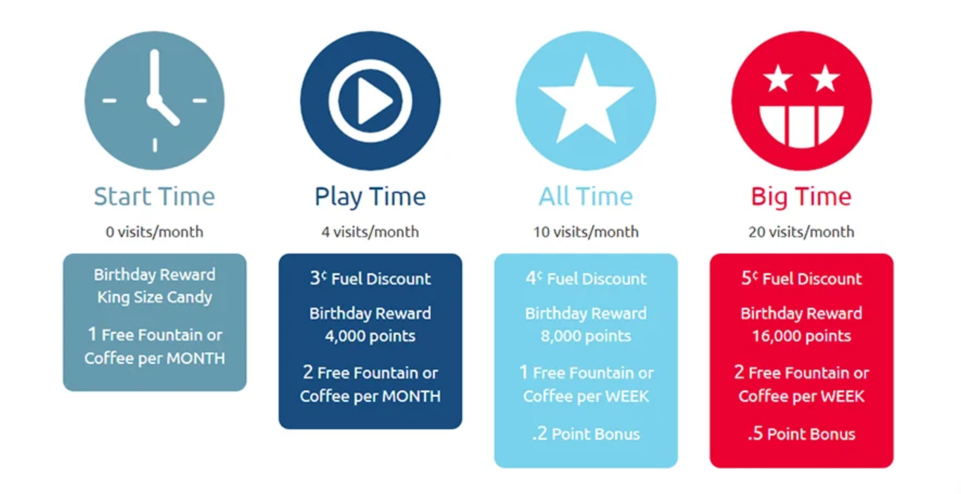
Break Time’s new structure increased loyalty penetration to 42% and increased customer spending by 25.6%
MyTime Rewards automatically triggers personal messages to members when they’re close to a new level. And when members move up levels, they are sent info on the new benefits.
All these changes led to impressive results:
As these examples show, implementing a thoughtfully designed, data-driven loyalty program with compelling rewards can pay substantial dividends for restaurants and convenience stores.

Forward-thinking operators are leveraging their loyalty programs as powerful sources of customer insights. By capturing first-party transactional and behavioral data from program members—enriched with third-party data from reliable sources—brands gain a comprehensive view into their most valuable guest segments. This deep understanding allows them to continuously optimize engagement strategies as members move through the loyalty lifecycle.
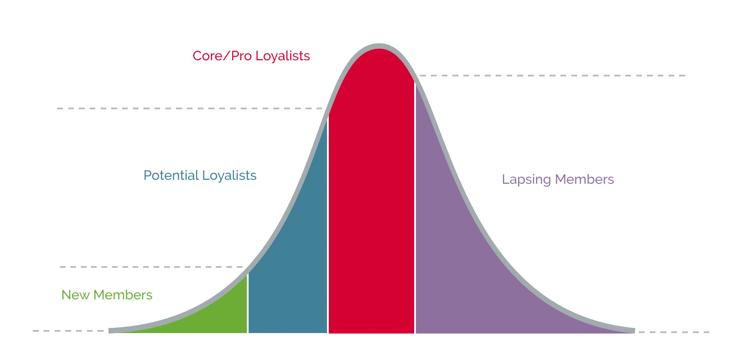
At Paytronix, we recommend segmenting loyalty members into four core groups based on lifecycle stages:
Operators can then build even more granular segments, tailoring specific offers, campaigns, and tactics to elevate performance within each specific cohort. This data-driven approach requires continuous testing and learning, exemplified by Peet's Coffee's use of control groups to validate program enhancements:
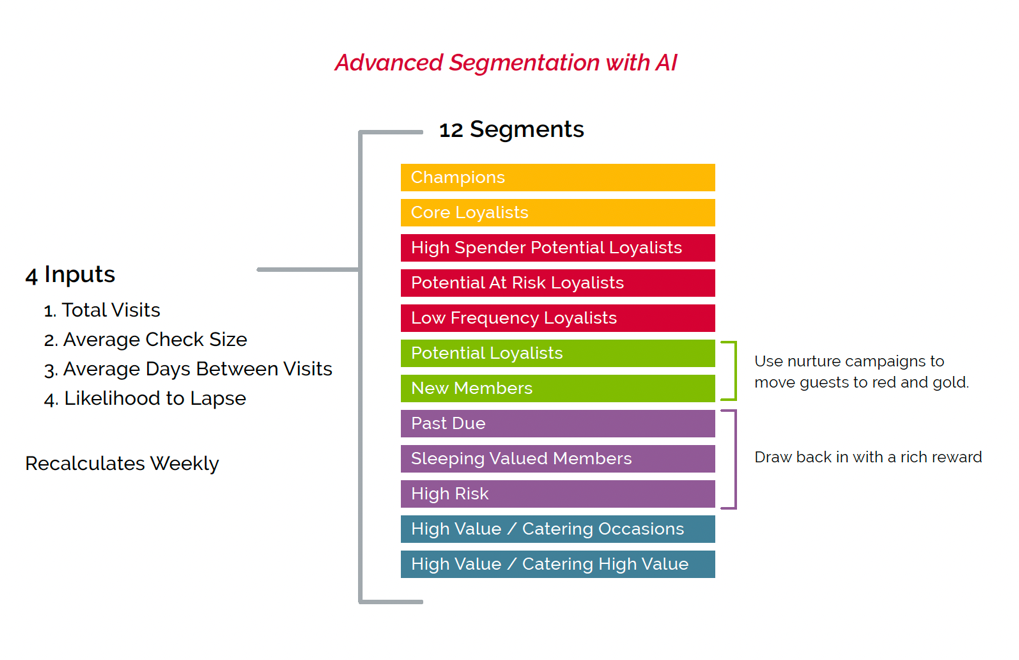
The most effective loyalty programs are designed from the ground up to foster insights into guest behavior, preferences, and core motivations. Armed with these insights, marketers can segment customers based on their current brand relationship, designing personalized campaigns that cultivate deeper loyalty, more frequent visits, and higher spend per visit.
HuHot Mongolian Grill’s BOGO Grill Pass is a good example. For $9.99/month, guests get a free grill meal with the purchase of one meal. This offer boosted customer lifetime value. This was a high-value discount. But because it increased visits, it was worth it.
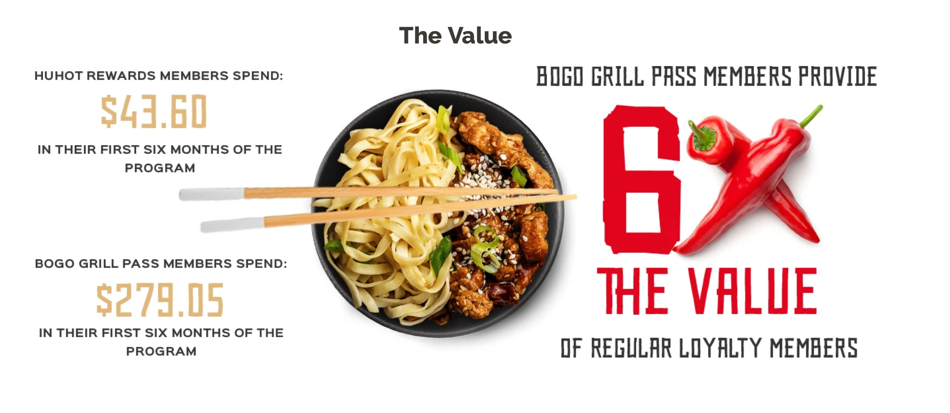
While the subscription loyalty program worked well for HuHot, every restaurant is different. It depends on your:
Concept
Service model
Customers
Goals
You need to look at the data and ask questions, including:
Next-gen programs are using:
Reward levels
Social impact
Special menus
Experiences
Games
These are based on the idea that people love:
Achievement
Social recognition
Competition
The fear of missing out (FOMO)

Gamification is a good option. PYMNTS says that Denny's used this in the summer of 2023 with a program that offered "challenges" to different guest groups.
Other brands using gamification include:
Jimmy John's
Just Salad
Sweetgreen
Great Harvest saw 35% increases in:
Visits
Frequency
Spend
“Before Paytronix, we struggled with slow seasons,” says CEO Mike Ferretti. “By leveraging 1:1 campaigns, we engaged customers on a personal level and increased sales in ways we hadn't thought were possible. More campaigns and opportunities like this will only help grow our business and the future of our guest engagement strategy.”
Loyalty programs have changed. To stay competitive, operators must use personalized loyalty benefits. You can do this with the help of:
AI
Grouping
Games
Testing
That helps you design loyalty programs that improve:
Visits
CLV
Getting loyalty right can make you more money. McKinsey says that companies that are good at personalization make 40% more revenue.
Loyalty modernization worked for Dutch Bros., a Paytronix client. After replacing an old punch-card system with a digital loyalty program on the Paytronix platform, the brand gained 1.4 million members.
In its program, Dutch Bros. used:
Personalization
Audience groups
Games
Using the tips from this article, restaurants and c-stores can improve their brands. With a loyalty platform, you can use:
Reward structures
Customer grouping
Engaging experiences
To learn how Paytronix can help you create a loyalty program, download our free loyalty guides for restaurants or convenience stores. Contact us now.
20 min read
Julia Bigwood : Dec 04, 2025
Restaurant loyalty programs focus on:

21 min read
Julia Bigwood : Apr 25, 2024
Key Takeaway: Making loyalty programs personal helps operators maximize customer lifetime value with experiences.
9 min read
 Michelle Casey : May 22, 2025
TL;DR: The best loyalty programs do more than offer points or discounts. They encourage repeat purchases, strengthen customer relationships, and...