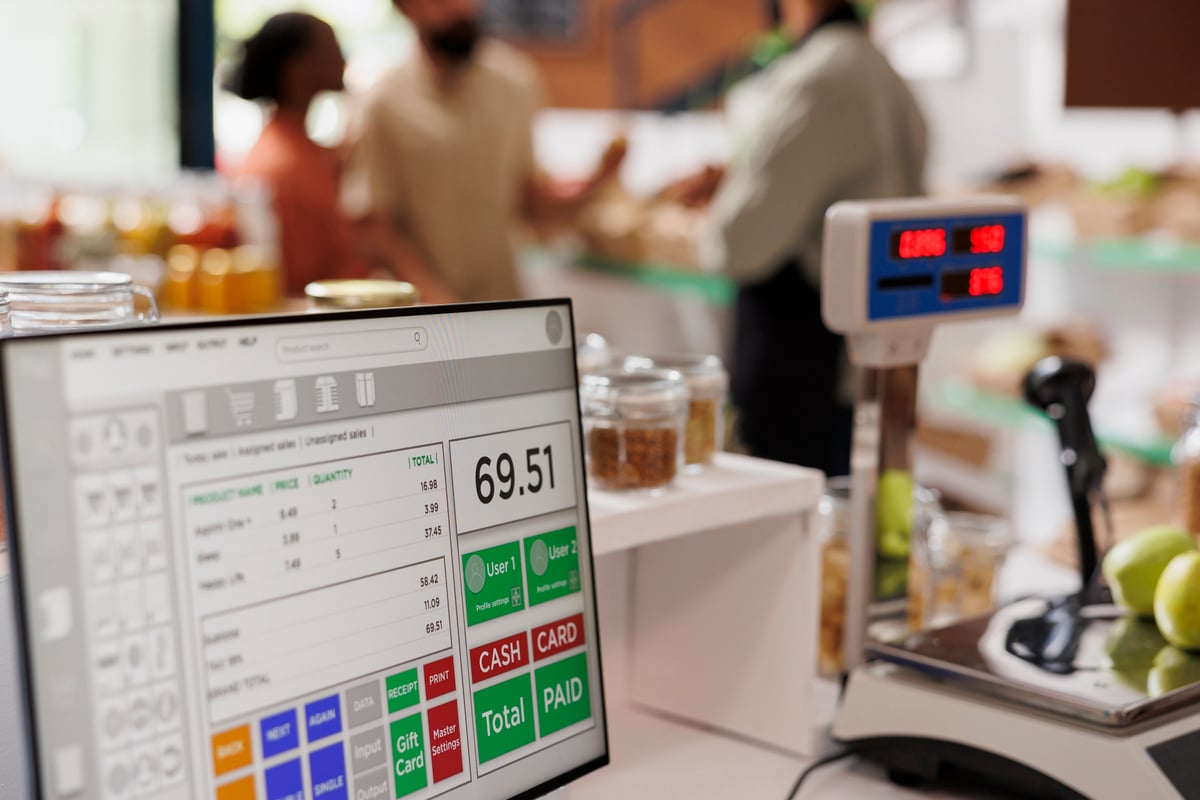
Incomplete orders, stockouts, and manual work still disrupt daily service across the restaurant industry. Combined with third-party commissions and limited control over delivery and pickup options, these gaps reduce margins, weaken brand visibility, and restrict data ownership for operators.
An online food ordering system can centralize operations when integrated with point-of-sale (POS), inventory, custom loyalty programs, and marketing tools. By replacing phone orders with a structured online menu, flexible in-house delivery and pickup options, and secure payments, businesses streamline operations and elevate customer satisfaction.
Digital channels also expand reach. Online food ordering attracts new guests, captures user feedback, and strengthens retention, unlocking measurable revenue impact potential while enhancing the overall dining experience for guests and restaurant employees.
Industry Research reports that high 20-30% commission fees drive many restaurants to avoid third-party platforms. Furthermore, forecasts for 2025 indicated that first-party apps and direct channels would handle 40% of new online orders, highlighting a real opportunity to recover margins and grow sales.
In this article, you will discover 15 practical online food ordering system project ideas designed to improve efficiency and profitability. Each concept outlines clear project aims, technical considerations, and implementation steps to build a scalable solution that supports long-term growth.
Understanding the Online Food Ordering System Project Landscape
The food delivery industry has reshaped how local restaurants reach digital-first customers. Platforms like Uber Eats handle logistics, payments, and order aggregation through a food delivery app, giving fast food restaurants and other operators immediate market access.
Generally speaking, these services simplify delivery operations and expand reach quickly. At the same time, high commissions and limited access to customer preferences data can prevent restaurants from building long-term profitability or maintaining direct engagement with loyal guests.
Relying exclusively on third-party platforms may increase order volume, but it often compresses margins and reduces control over the brand experience. Treating your online ordering application as a structured project allows restaurants to regain authority over pricing, loyalty, and operational processes while improving overall revenue predictability.
Current State of Food Delivery Services
The food delivery app sector continues to grow as mobile ordering and contactless transactions become standard. Many diners now use digital ordering routinely, particularly in urban areas, creating opportunities for different restaurants to reach new audiences efficiently.
Consumer expectations focus on speed, personalization, and transparency. While many fast food and casual operators have adopted digital tools, a large portion still rely primarily on third-party platforms, instead of developing their own integrated delivery system aligned with brand and pricing strategy.
Revenue growth no longer depends solely on order volume. Leveraging insights from customer behavior, combining targeted promotions, and integrating loyalty program platforms generates incremental gains across restaurant types while deepening guest engagement and operational efficiency.
Why Restaurants Need Custom Ordering Systems
- Commission impact on margins: Most third-party platforms charge between 15% and 30% per order, depending on service level and market. In an industry where average net margins often remain in single digits, that percentage materially affects profitability on every transaction.
- Revenue recovery through direct ordering: Moving even part of the volume to a branded delivery system lowers reliance on commissions and stabilizes contribution per transaction.
- Ownership of customer preferences and data: Full access to order and spending patterns allows for targeted marketing, consumer loyalty campaigns, and accurate demand forecasting.
- Brand and pricing control: Proprietary channels maintain consistent pricing and presentation, protecting identity and reputation across locations.
- Direct customer relationship management: Integrated customer relationship management (CRM) tools enable segmentation, personalized offers, and communication without depending on a food delivery app intermediary.
- Real-time operational control: Linking menus and inventory to the best POS systems reduces overselling, ensures faster fulfillment, and supports high-volume operations.
- Actionable feedback loops: Direct review collection allows restaurants to adjust menus, improve service, and respond to evolving expectations more efficiently than relying on third-party ratings.
1. Design and Implementation of Online Food Ordering System
The success of restaurant online ordering software depends on both visual and backend design. A user-friendly interface attracts clients while a robust backend infrastructure ensures reliability, scalability, and seamless integration with the restaurant’s operations. Good design improves satisfaction for diners and efficiency for staff.
Architecture Components
Key system elements, from interface to data and integrations, ensure smooth, reliable operations:
- Frontend technologies: HTML5, CSS3, and JavaScript frameworks structure the interface, displaying dynamic menus, order buttons, real-time inventory updates, and notifications that keep customers informed about availability and promotions.
- Backend infrastructure: Handles order processing, restaurant inventory management software synchronization, payment verification, automated notifications, and user authentication. A solid backend minimizes technical issues and ensures stable operations for fast food and other restaurants.
- Database design: Organizes menu items, stock levels, order history, customer profiles, and transactions. Enables fast queries, reporting, and behavior analysis, and supports integrated loyalty programs.
- Application programming interfaces (APIs) integrations: Connects payment gateways, POS software for restaurants' cloud services, third-party delivery platforms, and notification tools to centralize and synchronize all operational data.
User Experience Principles
Customer-focused design is critical for adoption and loyalty. A user-friendly interface reduces friction, ensures faster ordering, and supports repeat business by guiding consumers efficiently through each step:
- Mobile-first design: Prioritizes seamless interaction with menus, cart, notifications, and checkout on smartphones, minimizing taps and cognitive load.
- Accessibility standards: Ensures all users, including those with disabilities, can browse menus, place orders, and interact with notifications without barriers.
- Performance optimization: Speeds up menu and inventory loading, maintains real-time updates, and delivers prompt push notifications for order status.
- Conversion rate optimization: Streamlines checkout flow, integrates quick payment methods, saves customer preferences, and employs automated reminders to increase order completion and reduce abandonment.
Technical Stack Selection
Choosing the right tech stack ensures speed, reliability, and easy scalability:
- Programming languages comparison: Python, JavaScript, and PHP handle order processing, inventory updates, and payments while enabling reliable integrations.
- Framework recommendations: React, Angular, or Django streamline responsive frontends, API management, and maintainable system design.
- Hosting solutions: Cloud platforms provide data backup, uptime, and support for synchronization of menus, inventory, and notifications.
- Scalability considerations: The architecture must handle peak order volumes, growing numbers of customers, and simultaneous operations without causing technical issues.
2. Optimizing the Online Food Ordering Process
A customer opens an app to order food online, but slow-loading menus, unclear options, or delayed confirmation can lead to frustration and abandoned carts. A well-optimized system ensures smooth order management, accurate fulfillment, and real-time tracking, reducing manual errors and improving satisfaction for both staff and consumers.
Customer Journey Mapping
Mapping the restaurant customer journey identifies friction points and opportunities to boost loyalty and personalization:
- Discovery and awareness: Customers find the restaurant through social media, word of mouth, Google search, or the restaurant’s app.
- Menu browsing behavior: Manage menus with clear layout, high-quality photos, and intuitive navigation on the app or website to guide customers effortlessly.
- Ordering customization: Beyond selecting items, users can add special instructions, note allergies, or modify ingredients to fit preferences.
- Payment and confirmation: Secure, fast checkout options via digital wallets or credit cards, with instant confirmation and estimated delivery times to improve trust and reduce abandonment.
Order Workflow Automation
Automation improves speed, accuracy, and operational efficiency:
- Order routing logic: Directs each customer order to the appropriate kitchen station or preparation team.
- Kitchen display system integration: Displays incoming requests clearly, minimizing errors and ensuring timely preparation.
- Delivery coordination: Assigns orders to drivers or integrates with third-party delivery platforms automatically for smooth online food delivery.
- Status updates: Send real-time notifications to enable customers to track their order status, improving transparency and satisfaction.
3. Creating an Online Food Ordering System Synopsis
Completing thorough document outlines is essential when developing an online food ordering platform. Clear documentation guides the team, reduces errors during implementation, and ensures that the system aligns with the restaurant’s business goals.
Project Overview Documentation
Documenting the project overview ensures everyone understands objectives and scope:
- Executive summary: Concise description of the project, key goals, and expected outcomes for stakeholders.
- Business objectives: Defines how the system supports the restaurant business, such as increasing revenue, improving customer retention, or reducing operational inefficiencies.
- Target audience analysis: Identifies the key customers, their ordering behaviors, device preferences, and expectations from the platform.
- Success metrics: Establishes measurable key performance indicators (KPIs) like order completion rates, average delivery time, repeat purchase frequency, and customer satisfaction scores.
Technical Specifications
Technical documentation provides clear guidance for developers and operators:
- System requirements: Hardware, software, network, and cloud dependencies necessary for smooth operation.
- Feature specifications: Details all functionalities, including menu management, restaurant payment processing, order tracking, and notifications.
- Integration points: Defines connections with POS systems, payment gateways, loyalty programs, and third-party delivery services.
- Security protocols: Outlines encryption standards, authentication methods, and compliance measures to protect sensitive customer and business data.
4. Comprehensive Online Ordering System Documentation
Technical documentation ensures that all the information about the online ordering system is clearly captured and easily accessible. These guides support developers, staff, and operators in understanding workflows, reducing errors, and maintaining reliability while providing up-to-date guidance for updates or troubleshooting.
User Documentation
Guides for end-users and restaurant staff make the system intuitive and easy to operate:
- Customer user guides: Instructions for placing orders, customizing menu items, tracking order status, and using promotions.
- Restaurant operator manuals: Step-by-step procedures for managing menus, monitoring customer orders, and coordinating deliveries efficiently.
- Admin panel instructions: Guidance for administrators to configure settings, manage users, and oversee system operations.
- Troubleshooting guides: Solutions for common issues and tips to quickly resolve problems for both staff and customers.
Technical Documentation
Reference material for developers and information technology (IT) teams provides a clear roadmap for system maintenance and integrations:
- API documentation: Details endpoints, request/response formats, and integration requirements with POS, payment gateways, and third-party platforms.
- Database schemas: Illustrate structure, tables, relationships, and data flow to maintain accurate order processing, inventory, and customer records.
- Deployment procedures: Steps for releasing updates, system rollouts, and environment configuration.
- Maintenance protocols: Scheduled backups, monitoring, and security practices to maintain uptime and ensure timely information is always available.
5. Building a Robust Online Food Ordering Platform
During busy periods, slow-loading online menus or unclear options can frustrate customers and cause abandoned orders. A well-designed platform ensures smooth operations by connecting front-end navigation with backend systems, supporting key features like seamless order processing, real-time updates, and reliable performance across the restaurant’s workflow.
Essential Menu Management Features
Effective menu management ensures operational efficiency and flexibility:
- Dynamic pricing controls: Adjust prices based on demand, promotions, or time-specific offers automatically. For example, lunch specials can increase turnover during slower hours while evening bundles maximize restaurant revenue during peak traffic.
- Inventory tracking: Monitors food items in real time to prevent overselling and notify staff when stock runs low, reducing waste and ensuring popular dishes are always available.
- Modifier systems: Enable customers to customize ingredients, portion sizes, or dietary preferences, reducing order errors and improving satisfaction for users with allergies or special requests.
- Special offers management: Create and schedule discounts, bundle deals, or limited-time promotions. For instance, offer “buy-one-get-one” combos on slow-selling items to increase order volume.
- Customization options: Allow users to personalize orders, including add-ons or ingredient swaps, which increases average order value and encourages repeat purchases.

Advanced Order Management Capabilities
A strong order management system keeps operations seamless and reduces errors:
- Real-time tracking and updates: Let customers track order status and review order details, reducing support inquiries and allowing kitchen staff prepare orders accurately.
- Queue management: Automatically sequences incoming orders by preparation time, complexity, and priority to prevent kitchen overload.
- Capacity planning: Aligns restaurant staff schedules and kitchen resources with expected order volume to handle busy periods efficiently.
- Peak hours optimization: Adjusts menu availability, preparation workflow, and delivery assignments dynamically during high-demand periods to maintain service quality.
Customer Engagement Tools
A strong engagement strategy keeps customers coming back and increases order frequency. Paytronix provides integrated solutions that make it easier to implement these tools effectively. Key tools include:
- Loyalty programs integration: Rewards repeat customers with points, discounts, or free items, encouraging ongoing engagement.
- Personalized recommendations: Suggest complementary dishes, popular items, or favorite selections based on past orders.
- Review and rating systems: Collect feedback directly to improve food menu offerings, service quality, and customer satisfaction.
- Marketing automation: Sends targeted push notifications, emails, or short system message (SMS) about promotions or personalized offers.
- Referral programs: Encourage customers to invite friends, expanding the customer base organically.
- Gamification elements: Introduce challenges, badges, or streaks to incentivize frequent ordering and interaction.
- In-app messaging: Enables direct communication with customers for updates, order adjustments, or special announcements.
6. Implementing Secure Payment Processing
Customers expect a seamless and secure checkout when ordering online. Slow or unreliable payment options can lead to abandoned carts and frustration. An effective online food ordering system should support modern and trusted methods, such as online payment via credit cards, debit cards, and digital wallets.
Online Payment Gateway Integration
Selecting and integrating the right payment gateway is essential for smooth operations and customer confidence. Key considerations include:
- Payment provider selection: Popular providers, such as Stripe, Square, and PayPal, offer fast processing, easy integration with restaurant point of sale software, and transparent fee structures. Restaurants should compare transaction fees, settlement times, and support options.
- PCI compliance requirements: Adhering to Payment Card Industry Data Security Standard (PCI DSS) protects cardholder data. This includes secure storage of payment information, regular security audits, and encrypted transmission of sensitive data.
- Fraud prevention measures: Tokenization replaces sensitive card data with unique identifiers while transaction monitoring and real-time alerts detect suspicious activity before it affects the restaurant or customers.
- Transaction fee optimization: Many payment gateways charge 2.5%–3.5% per transaction, plus a small fixed fee. Comparing providers and payment options can save several cents per order, which adds up over hundreds or thousands of transactions while still offering secure and convenient payment choices to customers.
Alternative Payment Methods
Offering flexible payment options enriches convenience and can increase conversion rates:
- Digital wallets: Apple Pay, Google Wallet, and PayPal simplify checkout and reduce typing errors.
- Buy now, pay later: Services like Klarna or Afterpay allow customers to split payments, encouraging larger orders.
- Cryptocurrency acceptance: Some restaurants may choose to accept Bitcoin, Ethereum, or other popular cryptocurrencies. This option can appeal to tech-savvy customers but may not suit every restaurant due to price volatility and adoption rates.
- Corporate billing systems: Facilitate large orders or recurring contracts with businesses, integrating seamlessly with invoicing and reporting.
7. Creating an Efficient Food Delivery System
A well-designed food delivery system allows restaurants to meet rising customer expectations while reducing operational costs and increasing revenue. Efficient workflows and clear communication improve satisfaction and encourage repeat business.
Integrating technology through a food delivery application streamlines order management, kitchen operations, and delivery logistics. This makes home delivery faster and more reliable for customers.
Delivery Logistics Optimization
Optimizing delivery operations ensures consistency and efficiency:
- Route planning algorithms: Use GPS and traffic data to determine the fastest routes, reducing delivery times and fuel costs.
- Driver assignment logic: Assign orders based on proximity, order priority, and driver capacity to maximize efficiency and maintain timely deliveries.
- Time estimation models: Predict preparation and travel times to give an accurate estimated time of arrival (ETA) to customers, reducing complaints and improving trust.
- Streamlined kitchen operations: Coordinate order preparation with delivery schedules, then meals leave the kitchen fresh and on time.
- Delivery zone management: Define service areas based on distance, traffic, and restaurant capacity to maintain quality and profitability.
Third-Party Delivery Integration
For restaurants using online food delivery systems alongside in-house delivery, integration must be strategic:
- API connections: Link the restaurant’s ordering platform with apps like Uber Eats or DoorDash to synchronize orders, menu updates, and inventory in real-time.
- Hybrid delivery models: Balance external app use with internal delivery to control costs, reduce dependency on third-party commissions, and maintain consistent service quality.
- Cost management strategies: Track per-order fees, tip handling, and fuel expenses. Adjust menu pricing or delivery zones to offset high commission costs without affecting your current customer experience management strategies.
- Service-level agreements (SLAs): Define expectations for delivery times, order accuracy, and response to delays with third-party partners to ensure accountability and reliability in food delivery.
8. Developing a User-Friendly Interface
A simple and intuitive design is key for both the restaurant website and mobile app. An online food ordering system allows customers to place orders for delivery or pickup, reflecting the restaurant's branding.
Customer Interface Design
The interface should guide customers effortlessly, making key actions like ordering, filtering, and customizing items fast and simple:
- Homepage optimization: Highlight key features, such as “Order Now,” pickup or delivery options, daily specials, and promotions. Clear calls to action (CTAs) improve conversion rates.
- Menu presentation strategies: Display menu items with high-quality images, detailed descriptions, and modifiers for customization. Group items logically for fast browsing.
- Search and filter functionality: Enable customers to filter by category, dietary preference, price, or popularity to reduce friction.
- Mobile responsiveness: Ensure the design adapts seamlessly to smartphones and tablets, where most orders occur.
- Easy navigation: Buttons, links, and checkout flows should be intuitive, with pickup and delivery clearly selectable.
Restaurant Dashboard Design
A clear dashboard empowers staff to manage orders, monitor performance, control inventory, and run restaurant marketing campaigns efficiently in real time:
- Order management interface: Track both delivery and pickup orders, assign priorities, manage preparation times, and monitor order status in real time. Include alerts for delayed or high-volume orders to prevent bottlenecks.
- Analytics visualization: Visual dashboards display popular items, peak hours, customer preferences, and sales trends. Advanced filters allow managers to analyze performance by daypart, location, or menu category.
- Inventory controls: Sync menu items with stock levels to avoid overselling, automatically adjust availability when items run low, and generate alerts for restocking. Separate tracking for delivery and pickup ensures accurate reporting.
- Marketing tools: Create targeted promotions, schedule push notifications, and run email campaigns directly from the dashboard. Track performance metrics of each campaign to optimize offers and customer engagement strategies.
- Staff management integration: Assign kitchen staff to specific order types or stations, monitor workload in real time, and adjust shifts based on incoming order volume.
Creating a User-Friendly Platform
Accessibility, multilingual support, and optimized performance ensure all users can interact with the system smoothly, reducing errors and enhancing the overall experience:
- Accessibility features: Include screen reader compatibility, adjustable fonts, high-contrast modes, and clear navigation cues for all users.
- Multilingual support: Offer menus, buttons, and notifications in multiple languages to serve a diverse customer base, such as tourists in popular areas.
- Performance optimization: Ensure fast load times, smooth transitions, and instant updates for menu items, pricing, and order status.
- Error handling: Offer clear prompts, confirmations, and recovery options for failed actions, out-of-stock items, or changes in delivery/pickup preferences.
9. Improving Guest Satisfaction Through Smart Features
As a restaurant owner or operator, implementing a well-designed online food ordering project increases not only revenue but also customer satisfaction. A smooth and responsive system makes it easy for diners to place online orders, track progress, and communicate preferences, which builds trust and encourages repeat business.
In a competitive food delivery market, standing out requires more than fast service. Smart features that provide insights into customer preferences, timely updates, and consistent service quality attract new clients, retain loyal ones, and position your restaurant as reliable and customer-focused.
Order Tracking and Communication
Transparent communication reduces friction and frustration during the ordering process:
- Real-time GPS tracking: Shows delivery drivers’ location and estimated arrival times, so customers know exactly when their meals will arrive. For example, a lunch delivery during peak hours can update the ETA if traffic delays occur.
- SMS notifications: Alerts for order confirmation, preparation start, and delivery arrival. Customers receive a text when their takeout order is ready for pickup.
- Email confirmations: Include detailed order details, such as selected dishes, modifiers, and total cost, giving diners a record of their transaction.
- In-app messaging: Enables diners to update special requests, clarify allergies, or ask for substitutions directly to the kitchen or delivery team.
Personalization Engine
Personalization enhances engagement and encourages repeat orders:
- Order history analysis: Highlights dishes a customer has ordered multiple times automatically, like “Your usual Margherita pizza,” or suggests combos based on past orders, allowing faster checkout.
- Dietary preference filtering: Flags menu items that match specific dietary needs, such as vegan, gluten-free, or nut-free. For instance, when a customer selects “gluten-free,” the system shows only compatible menu items and prevents accidental selection of restricted ingredients.
- Custom recommendations: Suggests complementary items or add-ons based on previous orders, such as offering garlic bread when selecting a pasta dish.
Custom meal builders let diners adjust portion size, ingredients, or sauces. Over time, tracking these preferences supports targeted marketing campaigns, push notifications, and loyalty incentives, creating a personalized dining experience.
Feedback and Support Systems
Gathering and acting on customer feedback ensures continuous improvement and higher service quality. For example, a diner reporting a missing item via the app can trigger instant resolution, turning a potential negative into a positive interaction:
- Customer feedback collection: Surveys, post-order prompts, and review requests capture experiences.
- Rating and review management: Monitor ratings to identify patterns, improve offerings, and highlight positive testimonials.
- Live chat integration: Enable immediate support for questions, order modifications, or issues.
- Dispute resolution: Streamlined processes handle complaints efficiently, ensuring customer satisfaction and loyalty remain high.
10. Empowering Restaurant Operations
Managing multiple restaurant locations efficiently requires a centralized system that tracks orders, inventory, and staff performance. An online food ordering platform streamlines operations while maintaining consistency across all locations.
It also ensures accuracy in food preparation, timely deliveries, and high service quality. Properly trained employees can use these tools effectively, reducing errors and improving customer satisfaction.
Restaurant Management Dashboard
A comprehensive dashboard allows managers to monitor performance and make data-driven decisions:
- Sales analytics: Visualize daily, weekly, and monthly revenue across locations to identify trends and peak hours. For example, noticing that lunch orders spike on Wednesdays guides staff allocation.
- Customer insights: Track preferences, past orders, and feedback to tailor menu offerings and promotions.
- Performance metrics: Monitor kitchen efficiency, order preparation times, and delivery accuracy to improve service quality.
- Competitive analysis: Compare menu pricing, promotions, and your tools for customer engagement against industry benchmarks to stay competitive.
Menu and Inventory Control
Integrated tools allow to maintain inventory accuracy and reduce waste while supporting menu innovation:
- Real-time menu updates: Adjust availability, new features, or seasonal items instantly to reflect inventory changes.
- Ingredient tracking: Monitor usage and remaining stock to prevent shortages and over-ordering.
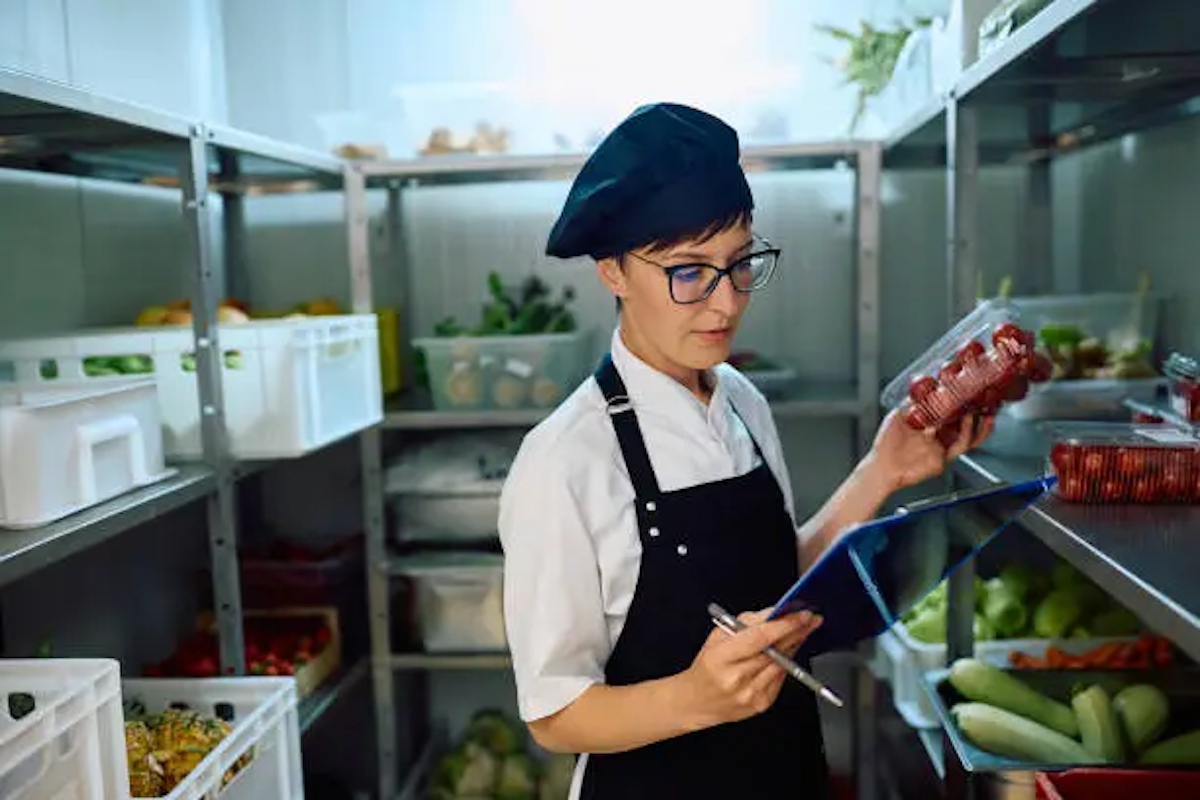
- Automated stock alerts: Notify staff when ingredients are low to allow timely replenishment.
- Waste reduction tools: Analyze consumption patterns and spoilage to optimize ordering and minimize losses.
- Food costs and trends: Use historical data to adjust pricing and highlight popular dishes, ensuring profitability while meeting customer demand.
Marketing and Promotion Tools
Control over your own online platform allows targeted campaigns and effective customer engagement:
- Campaign management: Schedule promotions, limited-time offers, or seasonal specials across locations.
- Discount creation: Configure automated discounts for loyalty members, first-time orders, or high-volume purchases.
- Email marketing: Send tailored messages to segmented customer groups highlighting new features or menu updates.
- Automated marketing campaigns: Set up recurring or triggered promotions based on customer behavior, previous orders, or seasonal trends, reducing manual effort while maintaining engagement.
- Social media integration: Promote menu items and specials on social channels, encouraging likes, comments, and shares to attract and retain customers.
- Loyalty program integration: Apply rewards, points, or special offers automatically for loyal customers in marketing campaigns, linking promotions directly to customer retention efforts.
11. Technical Architecture for Scalable Systems
A scalable online food ordering system depends on a strong technical architecture. Restaurants may choose custom-built platforms, third-party builders, or modern web applications, including progressive web apps and native mobile development, based on long-term growth and operational complexity.
Implementation challenges often surface under real demand. Network instability, inefficient integrations, or poor infrastructure setup can delay confirmations and contribute to late deliveries during the implementation of online food ordering systems.
Backend Development Best Practices
The backend functions as the operational core of the platform. It processes orders, manages customer data, connects payment systems, and synchronizes inventory in real time to support consistent service execution:
- Microservices architecture: Dividing the system into independent services, such as orders, payments, and loyalty, improves flexibility. Each component can scale separately, reducing risk during peak traffic and preventing total system failure.
- API design patterns: Well-structured APIs enable seamless communication between mobile apps, POS systems, and third-party integrations. Clean architecture simplifies future expansion while reducing integration errors and long-term maintenance complexity.
- Database optimization: Efficient indexing and query management maintain fast transaction processing under heavy demand. Separating operational databases from analytics environments prevents reporting workloads from disrupting live order processing.
- Caching strategies: Store frequently requested data, such as menus or store details, temporarily in memory. This reduces server load and accelerates response times during high-volume ordering periods.
Frontend Technologies
Frontend technology defines the customer experience and influences conversion rates directly. Speed, intuitive navigation, and device consistency are essential for maintaining engagement across digital ordering channels:
- React vs. Angular vs. Vue: React provides flexibility and ecosystem strength, Angular offers structured enterprise frameworks, and Vue balances simplicity with performance. Selection typically depends on internal expertise and long-term scalability requirements.
- Progressive web apps: PWAs combine the accessibility of web applications with app-like features, such as push notifications and offline functionality. They reduce development complexity while maintaining strong performance across devices.
- Native mobile development: Dedicated iOS and Android applications deliver high performance and deeper device integration. However, they require separate development cycles and higher long-term maintenance investment.
- Cross-platform solutions: Frameworks like React Native allow shared codebases across operating systems. This approach accelerates deployment while maintaining consistent user experiences.
Infrastructure and Deployment
Infrastructure determines whether the platform performs reliably under pressure. Scalable hosting and optimized configuration protect uptime and maintain operational continuity during demand surges:
- Cloud hosting options: Cloud environments provide elastic computing resources that adjust to traffic fluctuations automatically. This flexibility supports expansion without requiring permanent infrastructure overinvestment.
- Apache server configuration: Proper configuration of the Apache server ensures secure traffic handling and efficient request routing. Optimized settings improve performance stability and reduce downtime during peak ordering periods.
- Load balancing: Traffic distribution across multiple servers prevents overload during lunch and dinner peaks. This protects order processing speed and overall system responsiveness.
- Content delivery network (CDN) implementation: CDNs store static assets closer to end users geographically. This reduces latency and improves page load times across distributed markets.
12. Revenue Model Strategies for Profitability
Implementing an online food ordering system requires careful planning of your revenue strategies. Choosing the right business models can increase profitability while maintaining customer engagement and loyalty, ultimately boosting sales and creating predictable revenue across all locations.
Scenario-based strategies let restaurants balance recurring income with one-time transactions. For example, combining subscription plans with direct orders stabilizes revenue streams and encourages repeat purchases, supporting long-term growth and a scalable, sustainable system.
Monetization Options
Different strategies allow restaurants to capture value from online orders:
- Commission structures: Charge a percentage on each order through your platform. Optimizing rates balances competitiveness with profitability.
- Subscription plans: Offer recurring benefits like free delivery or exclusive menu items. These plans stabilize revenue and build customer loyalty.
- Transaction fees: Add small fees for premium delivery or payment processing. Transparent pricing ensures customers remain satisfied.
- Premium features: Enable extras, such as priority preparation, special packaging, or exclusive promotions, generating additional income streams.
Cost Management
Managing costs efficiently supports sustainable profits while scaling your system:
- Maintenance costs optimization: Reduce recurring expenses by streamlining software updates, server use, and technical support.
- Operational efficiency: Automate order handling, inventory tracking, and delivery scheduling to save time and restaurant labor costs.
- Scaling economics: Use centralized tools to expand locations or delivery zones with minimal extra costs.
- Return on investment (ROI) calculations: Evaluate returns on subscription plans, transaction fees, and premium offerings regularly to ensure each approach adds value.
- Third-party integration: Assess costs, commissions, and service quality from delivery apps or payment providers, confirming they enhance rather than erode margins.
13. Next-Generation Features for Competitive Advantage
Technology in hospitality evolves daily, and staying current gives restaurants an edge. Not every innovation fits every business, so selecting the right tools ensures solutions align with your goals and address specific pain points, like reducing order processing times or improving order accuracy.
Implementing your own online ordering system allows greater control over operations, avoiding overreliance on third-party platforms. Leveraging advanced features can increase revenue, streamline workflows, and enhance customer satisfaction, whether you operate a single location or multiple outlets.
AI and Machine Learning Integration
Restaurants can leverage artificial intelligence (AI) to make smarter decisions and improve guest experiences:
- Demand forecasting: Predict peak order times and popular menu items, which enables optimized staff scheduling and inventory management for both small cafés and large multilocation chains.
- Dynamic pricing: Adjust menu prices in real-time based on demand, dayparts, or special events, maximizing revenue without manual intervention.
- Chatbot support: Offer instant responses to common questions, take orders, and handle modifications, freeing employees for higher-value tasks.
- Image recognition for dishes: Tag menu items or verify presentation quality automatically, improving consistency across locations.
Integration Capabilities
Seamless connections between platforms enhance operational efficiency:
- iPOS system connections: Sync orders, menu updates, and inventory between the online platform and point-of-sale systems.
- Accounting software sync: Automate daily sales reporting, tax calculations, and reconciliation.
- CRM integration: Align customer preferences and past orders to online loyalty systems and personalized campaigns.
- Marketing platform links: Push promotions, seasonal offers, and targeted messages directly to segmented audiences.
With Paytronix, these integrations come together in a centralized platform. Customer loyalty, order history, and campaign data flow automatically between systems, giving restaurants actionable insights and streamlined operations.
Analytics and Reporting
Measuring performance drives improvement and growth:
- Business intelligence dashboards: Centralize key metrics like revenue, order volume, and peak hours in one visual interface.
- Predictive analytics: Forecast sales trends, customer retention probabilities, and menu performance to inform strategic decisions.
- Customer behavior analysis: Track repeat orders, popular combos, dietary preferences, and peak ordering patterns for actionable insights.
- Revenue optimization insights: Identify high-margin items, evaluate promotion impact, and uncover opportunities to increase profitability across locations.
14. Ensuring Data Security and Compliance
In today’s digital world, customers expect every interaction to feel secure, from ordering food to banking or using apps. For your online food ordering project, ensuring data security and compliance protects your business, employees, customers, and partners across all touchpoints.
A secure system not only safeguards sensitive information but also builds trust and loyalty. Clear communication of security measures and compliance standards reassures diners, encouraging repeat orders and reinforcing your restaurant’s reputation as a reliable and responsible operator.
Security Measures
Implementing robust security measures prevents breaches, fraud, and operational disruptions:
- Secure sockets layer (SSL) certificates: Encrypt the connection between your website or app and users, preventing interception of order details or payment information.
- Data encryption: Protects stored and transmitted customer information, such as contact details, payment data, and loyalty points.
- General Data Protection Regulation (GDPR) compliance: Ensures proper handling of personal data, giving customers control over their information while avoiding legal penalties.
- PCI DSS requirements: Safeguard card payments by adhering to global security standards for processing, storing, and transmitting payment information.
- Backups and disaster recovery: Store and test backups of orders, payments, and customer data regularly to ensure continuity in the event of system failures or attacks.
- Real-time security monitoring: Detects unusual activity, fraud attempts, or unauthorized access in real time to prevent breaches and maintain operational stability.
User Access Control
Access controls are essential for transactional systems and protect sensitive operations:
- Customer information transparency: Communicate your data protection policies, how you use contact details, and the security standards you follow clearly.
- Role-based permissions: Limit actions based on staff responsibilities, such as kitchen vs. delivery management, reducing human errors and misuse.
- Two-factor authentication (2FA): Adds an extra layer of login security for managers and staff, preventing unauthorized access to order or payment systems.
- Session management: Logs out inactive users to protect sensitive dashboards and prevent data leaks automatically.
- Audit logging: Tracks user activity across the system, allowing quick identification of unusual actions and increasing transparency for internal reviews.
15. Implementing Thorough Testing Protocols
Implementing a robust testing framework ensures your restaurant ordering system functions reliably across devices and locations. By addressing potential issues early, you can adapt the platform to user needs, improve processes, and reduce downtime while maintaining a seamless ordering experience.
Testing also creates a continuous feedback loop, allowing teams to identify weak points and validate solutions before scaling. You can see the impact of changes in real time, correct problems, and ensure that you apply testing and quality standards consistently, which builds trust with customers and employees alike.
Testing Strategies
A mix of testing methods ensures all system components perform as expected:
- Unit testing: Verifies individual components like menu rendering or payment calculations work correctly in isolation.
- Integration testing: Checks that modules, such as inventory, ordering, and delivery notifications, communicate effectively with one another.
- User acceptance testing (UAT): Real users simulate orders and workflows to confirm the system meets user needs.
- Performance testing: Measures response times and system behavior during high-demand periods to prevent delays.
- Security testing: Ensures the protection of sensitive data, such as contact details and payment info, from breaches.
- Regression testing: Confirms that new features or bug fixes do not disrupt existing functionality.
Quality Assurance
Maintaining testing goes beyond identifying bugs; it ensures the platform consistently delivers a smooth experience:
- Bug tracking systems: Log and prioritize defects, enabling teams to resolve critical issues efficiently.
- Continuous integration (CI): Automates testing and merging of code changes to catch errors early in development.
- Deployment pipelines: Standardize release processes, reducing downtime and inconsistencies when updates go live.
- Monitoring tools: Track system health, usage patterns, and error rates post-deployment to address emerging issues quickly.
Managing Your Food Ordering System Project
Once you’ve explored the 15 project ideas, the next step is managing your online food ordering system strategically. Evaluating costs, creating a realistic budget, and mapping resource needs ensures a thorough feasibility analysis aligned with your business goals.
Training and adoption are critical for success. Employees must understand new workflows while customers should feel confident navigating the system, reducing errors and supporting smooth project management across all locations.
Project Scope Definition
Defining the scope keeps your restaurant business plan focused and prevents unnecessary delays. Clarify requirements, involve stakeholders early, and align expectations on deliverables and objectives:
- Requirements gathering: Collect functional needs from kitchen teams, staff, and customers to identify system must-haves, such as menu management, order tracking, or loyalty program integration.
- Stakeholder alignment: Ensure management, IT, and delivery teams agree on priorities and success metrics, minimizing miscommunication during rollout.
- Timeline development: Set realistic milestones for design, development, testing, and launch, factoring in training sessions and pilot runs to avoid rushed implementations.
- Resource planning: Allocate staff, budget, and technical resources efficiently. For example, assign dedicated support during peak hours to maintain operational continuity.
Development Methodology
Choosing the right methodology ensures smooth implementation and adaptability during challenges. Iterative approaches let you incorporate feedback and enhance functionality continuously:
- Agile implementation: Break development into manageable sprints, adjusting features based on real-time feedback from staff or early users.
- Sprint planning: Prioritize tasks to deliver incremental features quickly, ensuring the team remains focused on critical functions like order accuracy or payment processing.
- Risk management: Identify potential delays, such as network issues or employee onboarding gaps, and create mitigation strategies before they affect operations.
- Change control: Document and approve adjustments to scope, features, or deadlines. Clear communication prevents confusion and ensures the team adapts efficiently.
Real-World Implementation Success Stories
Implementing an in-house online ordering system benefits both local and national restaurants in the food industry. Small and large businesses can avoid third-party fees, control revenue, and manage marketing and program KPIs directly. Hybrid methods also work well for multilocation chains.
Adaptability varies depending on strategy, restaurant staff training, and the technology used. Analyzing case studies lets restaurants optimize ROI, scalability, and system integration, ensuring the platform drives operational efficiency and supports growth across locations.
Small Restaurant Success
Examples like Deeplicius, Joe’s Pizza, and Manhattan Pizza & Wings show how independent eateries benefit from inhouse online ordering:
- Implementation challenges: Limited technical resources and staff training were initial hurdles when shifting from phone orders to direct online systems. For instance, Joe’s had to integrate an online platform with their POS and train employees on the new workflows.
- Solutions developed: These restaurants adopted user-friendly web ordering interfaces or progressive web apps and used real-time reporting to adjust staffing or menu offerings.
- Results achieved: Revenue increased significantly, Joe’s saw about a 30% growth in online sales within six months, with improved repeat business through loyalty incentives.
- Lessons learned: Prioritizing ease of use, syncing online orders directly to the kitchen system, and using customer data to tailor offers resulted in fewer errors and higher satisfaction.
Multilocation Chain Implementation
Larger brands like Domino’s, Chipotle, Lions Choice, Applebee’s, Peet's Coffee, and Wendy’s demonstrate scalable success with hybrid models:
- Scalability requirements: Platforms must handle high traffic across multiple stores, adapting to peak order volumes without delays. For example, Domino’s digital transformation led to a major share of revenue coming from web and app orders as part of an enterprise-wide digital strategy.
- Integration complexities: Connecting online ordering with POS, loyalty, and marketing systems is critical for unified data and operations across locations. Lion's Choice, integrated online ordering with its loyalty platform to unify guest data and enrich campaigns.
- Performance metrics: Chains track order accuracy, fulfillment times, loyalty engagement, and digital revenue contribution. Leveraging real-time insights allows managers to adjust operations quickly, optimize staffing, and respond to demand fluctuations across locations.
- ROI analysis: Evaluates overall return, including increased net revenue from direct orders, effectiveness of integrated marketing campaigns, investment in app or web platforms, customer retention and repeat visits, and operational efficiency improvements beyond saving third-party fees.
- Powered by integration: Some branded apps, like Starbucks, let customers order directly within the app while indicating “powered by” a third-party delivery service (e.g., DoorDash). This approach maintains control over the user experience and customer data while outsourcing fulfillment.
Emerging Technologies in Food Ordering
Restaurants are adopting technologies that transform how diners interact with menus and place orders. From smart kitchen integration to augmented reality (AR) menus and voice-enabled orders, these innovations streamline operations, boost engagement, and shape the next wave of future trends in food ordering and delivery.
Innovation Opportunities
Restaurants can experiment with new technologies to enhance the customer experience and streamline operations:
- Voice ordering: Customers can place hands-free orders via smart speakers or mobile assistants, ideal for busy diners at home or in-office, speeding up transactions and improving accessibility.
- AR menu visualization: Diners preview dishes in 3D before ordering, letting small and large restaurants reduce uncertainty and boost satisfaction.
- Blockchain for transparency: Secure, immutable tracking of ingredients and transactions reassures customers about provenance, which is particularly useful for high-end or allergen-sensitive menus.
- Internet of Things (IoT) kitchen integration: Appliances and sensors communicate in real time, enabling staff to monitor prep, optimize timing, and reduce delays during peak hours.
Market Evolution
Emerging models allow restaurants to explore new ways of reaching customers and generating revenue:
- Ghost kitchen integration: Delivery-only kitchens reduce overhead and allow rapid testing of new concepts across multiple neighborhoods or cities.
- Subscription meal services: Curated meal plans or loyalty bundles create predictable, recurring revenue while encouraging repeat visits.
- Sustainability features: Eco-friendly packaging, waste tracking, and energy-efficient workflows appeal to environmentally conscious diners.
- Community-based ordering: Group orders for offices, events, or neighborhoods increase average order size and strengthen local engagement.
Frequently Asked Questions About Online Food Ordering Systems
Choosing and implementing an online food ordering system involves technical, operational, and financial decisions. These answers clarify how platforms work, what to expect, and where key opportunities and limitations exist.
Which platform is best for ordering food?
There is no universal “best” platform: The right solution depends on business size, operational complexity, integration needs, and long-term revenue goals. Third-party marketplaces offer visibility and built-in delivery networks, but often reduce margins through commissions.
For restaurant owners seeking greater brand visibility, data ownership, and revenue impact potential, a custom or branded online food ordering system can provide stronger control over pricing, loyalty programs, and customer relationships. The ideal platform aligns with your operational model and growth strategy.
How does an online food ordering system work?
An online food ordering system connects potential customers to a restaurant's digital menu template through a website or app. Guests browse items, customize selections, complete secure payments, and receive confirmation with estimated pickup or delivery times.
Behind the interface, the system routes orders to the kitchen, syncs with POS and inventory when integrated, and sends real-time updates until the the preparation of the meal is complete, and it is ready for delivery or pickup, reducing manual work and improving accuracy.
What are the 7 steps of order taking?
An online food ordering system ensures each order flows smoothly, reducing errors and improving efficiency for staff and customers:
- Menu selection: Browse a clear, accurate menu with prices and allergen info.
- Customization: Modify items to fit preferences, like “no onions” or “extra sauce.”
- Cart review: Confirm items, quantities, and total cost.
- Account or guest checkout: Log in or enter details for faster ordering and data capture.
- Secure payment: Process payments safely via card or digital wallet.
- Order confirmation: Receive instant confirmation with pickup or delivery time.
- Real-time tracking: Follow the order until it’s delivered or ready for pickup.
This workflow enables restaurants, including college cafeterias and multilocation chains, to serve more customers efficiently while delighting potential customers with a reliable experience.
What are the limitations of online ordering systems?
Online ordering systems are powerful, but they are not flawless. Poor integration, weak technical architecture, or slow interfaces can create friction and harm customer satisfaction. Security gaps can also expose sensitive payment data if compliance standards are not met.
Additionally, third-party dependencies may limit brand control and reduce profitability. Success depends on strategic implementation, continuous optimization, and responding to user feedback to refine the digital dining experience over time.
What This Means for You
Investing in your own online food ordering system empowers restaurants to control revenue, reduce reliance on third-party platforms, and strengthen direct relationships with customers. From small eateries to multilocation chains, the right system improves efficiency, loyalty, and operational oversight across all touchpoints.
Prioritizing implementation ensures success. Focusing on technical architecture, secure hospitality payment processing and user-friendly interfaces lays a foundation for reliable service. Integrating next-generation features like AI, analytics, and multiplatform connectivity allows your team to respond to real-time insights and evolving customer needs.
The impact on revenue is measurable. Strategic use of a subscription provider, premium features, and hybrid ordering models drives repeat business, boosts average order value, and maximizes ROI. Monitoring performance metrics, analyzing customer behavior, and applying data-driven adjustments ensure continued growth and scalability.
Next steps involve clear project management: define scope, align stakeholders, select a methodology that supports iterative improvements, and train staff. Testing workflows and maintaining security positions your restaurant to adapt quickly to future trends and technology in food ordering and delivery.
How can you maximize revenue and streamline operations with an online food ordering system? Book a demo with Paytronix to start your project and explore tailored solutions. Download our latest Online Ordering and Catering Report to discover strategies for driving higher orders and strengthening guest relationships.

 Michelle Casey




 Kristin Lynch : Apr 24, 2025