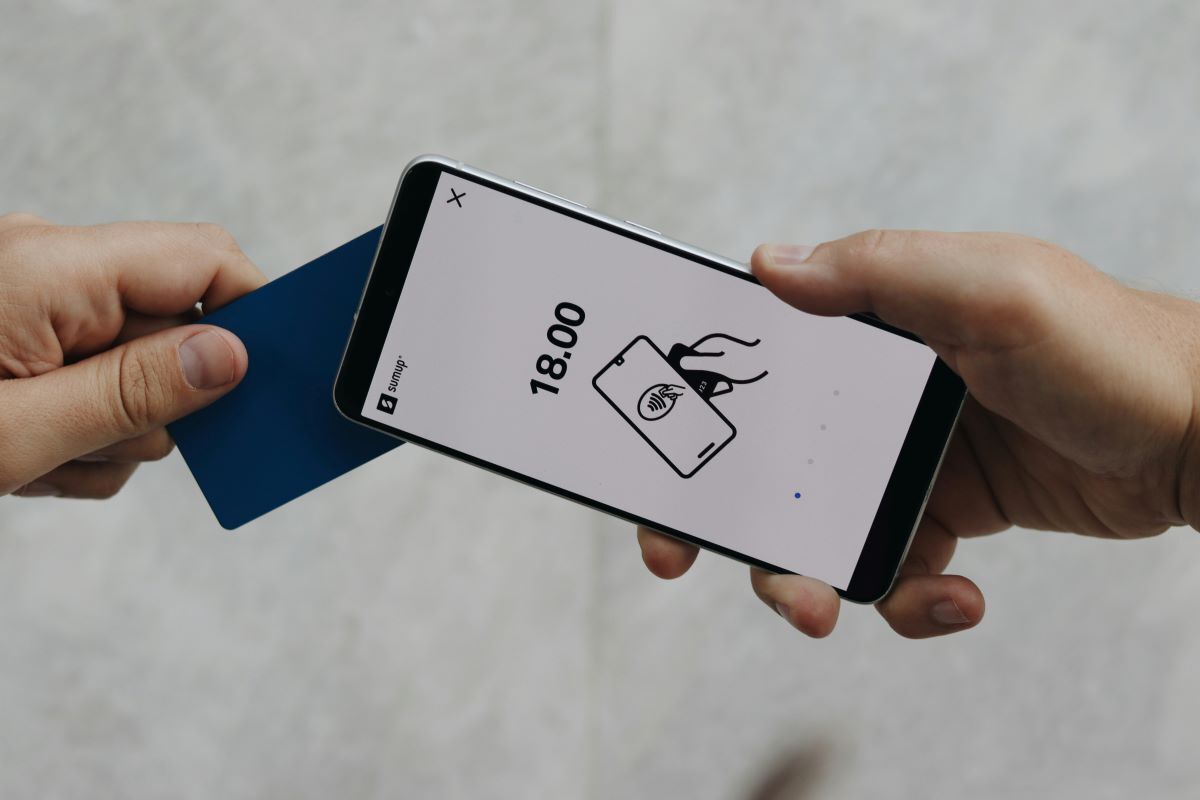
Managing a restaurant today presents constant challenges. Disconnected systems for point-of-sale (POS), inventory, marketing, and loyalty programs create manual errors, slow operations, and reduce revenue, leaving operators with missed opportunities to grow their business.
A restaurant management software centralizes ordering, staff coordination, and user insights while streamlining processes for dine-in and self-service experiences. Simplifying how you process payments and track operations improves efficiency and enhances customer delight, turning occasional visitors into returning guests.
This article shares 15 actionable tips to boost return on investment (ROI), optimize operations, and scale your business in competitive urban markets or expanding franchise territories. Following these strategies supports growth, improves operational workflows, and ensures every step of the guest experience remains user-friendly and seamless.
Building Your Restaurant Order Management System Foundation
A solid foundation in order management software allows restaurant owners to streamline operations, curbside pickup, and multichannel ordering. Integrating self-ordering kiosks, restaurant mobile apps, and website ordering with POS and Google Business Profile improves efficiency and enhances the guest experience.
Restaurant Self-Ordering System Integration
Restaurants maximize ROI by coordinating self-ordering kiosks with apps and online channels:
- Self-ordering kiosk strategies: Sync menus and modifiers in real time, route orders directly to kitchen displays, apply loyalty rewards at checkout, and standardize payment processing.
- Mobile app synchronization: Orders update the same management software dashboard, avoiding conflicts with in-store or curbside pickup transactions.
- Website optimization: Online menus link to inventory, disabling unavailable items automatically and keeping orders accurate.
Centralized Control Architecture
A multichannel dashboard consolidates in-store, kiosk, app, and third-party orders. Real-time insights and performance monitoring track volume, fulfillment times, and profitability, enabling faster, data-driven decisions without switching between devices or multiple tablets.
POS System Alignment
Integration with the best POS systems streamlines orders and ensures accuracy:
- Square POS integration: Flexible configuration for growing brands, syncs directly with kiosks and online orders, and simplifies payment reconciliation.
- Cloud-based POS key benefits: Remote access to sales and performance, automatic updates, scalable infrastructure, and reduced dependency on physical servers.
- Data synchronization: Keeps pricing, modifiers, taxes, and inventory consistent across all channels.
Maximizing Online Ordering System Performance
Optimizing your online ordering applications ensures each order processes efficiently, whether from a website, using an app, or on a device. For example, during peak hours, kitchen staff can manage simultaneous pickup, delivery, and curbside orders without delays or mistakes.
Direct Online Orders Strategy
Focusing on their own orders allows restaurants to retain control and reduce costs:
- Commission-reduction tactics: Encouraging customers to order directly lowers fees from third-party platforms.
- Brand control benefits: Maintain a consistent look, feel, and ordering experience across all channels.
- Customer data ownership: Capture insights into repeat customers and preferences to personalize marketing and improve loyalty program effectiveness.
Built-In Online Ordering Features
Restaurant-specific tools in the ordering system streamline operations and reduce errors. Efficient menu management lets staff update items, descriptions, and availability in real time, ensuring customers always see accurate options.
Dynamic pricing strategies and promotional tools maximize restaurant revenue without manual intervention. Discounts, combos, and limited-time offers apply directly in the system, improving customer satisfaction and encouraging repeat orders.
Third-Party Delivery Apps Balance
Partnering with delivery apps strategically can expand reach without losing operational control:
- Strategic platform selection: Choose apps based on audience demographics, delivery radius, and integration compatibility with your POS and inventory management software to avoid manual reconciliation.
- Commission structure optimization: Negotiate tiered commission rates tied to volume or promotional placement, and audit fees against actual profit per order regularly.
- Hybrid revenue model: Promote direct ordering through your own channels for repeat customers while using third-party platforms primarily for customer acquisition and geographic expansion.
Website Building for Conversions
A well-optimized website brings all ordering benefits together. Search engine optimization (SEO) ensures customers find the business online while a user-friendly interface simplifies ordering on any device. Combined with mobile responsiveness, the website provides a seamless experience from browsing to checkout, driving more completed orders.
Driving Online Sales and Direct Revenue
Increasing direct restaurant sales allows restaurant operators to earn more revenue while reducing dependence on third-party platforms. Centralizing direct orders and payments in one system ensures smooth operations, accurate tracking, and faster service from order placement to payment.
Reducing Third-Party Fees
Comparing platforms reveals how much operators can save by moving orders in-house. Offering incentives for direct orders, such as discounts or free items, encourages customers to switch. The money saved on commissions can then fund targeted restaurant marketing campaigns for repeat customers.
Transaction Fees Optimization
Managing transaction costs boosts fast service restaurant profitability:
- Payment processing selection: Choose processors with competitive rates and fast settlements for credit cards and digital wallets.
- Rate negotiation strategies: Request lower fees based on monthly volume or long-term contracts.
- Alternative payment methods: Accept quick response (QR) code payments, Apple Pay, Google Wallet, and contactless cards for customer convenience.
Branded Mobile App Development
A branded app improves engagement and repeat business:
- Customer engagement features: Track orders, save favorites, and view real-time availability.
- Loyalty program integration: Reward points or discounts for repeat orders.
- Push notifications: Notify customers of specials, limited-time offers, and menu updates instantly.
Restaurant App Monetization
Premium features, subscription plans, and exclusive offers create new revenue streams. Customers gain added convenience and value while operators increase income without relying on external platforms.
Inventory Management and Cost Control
Keeping inventory updated and integrated with the ordering process allows restaurant operators to maintain accurate stock levels and reduce unexpected shortages. A well-managed system minimizes waste, controls costs, and ensures that menu items are always available for customers.
Reduce Food Waste Strategies
Predictive ordering forecasts demand using historical sales, seasonal trends, and daypart patterns, enabling more precise purchasing and reducing excess stock. Portion control systems standardize serving sizes, preventing overproduction and minimizing food waste.
Tracking food waste metrics identifies which menu items generate the most waste. Operators can adjust recipes, prep methods, or portion sizes while also refining staff workflows to reduce discard rates and improve overall profitability.
Food Costs Optimization
Operational strategies to manage costs include:
- Menu engineering: Emphasize high-margin dishes and remove underperforming items.
- Supplier management: Consolidate orders or negotiate volume discounts to reduce costs.
- Price point analysis: Adjust prices according to ingredient costs and customer demand patterns.
Inventory Tracking Systems
Accurate tracking aligns stock with operational needs:
- Real-time monitoring: View current inventory levels for all menu items across locations.
- Automated reordering: Trigger orders when stock reaches thresholds, avoiding shortages.
- Variance reporting: Spot discrepancies between expected and actual usage, revealing waste or operational gaps.
Improving Guest Satisfaction and Retention
Retaining customers not only ensures consistent sales but also increases the likelihood they choose your business over competitors. Focusing on the guest experience turns occasional visits into lasting relationships and encourages repeat business.
Customer Data Utilization
Collecting and analyzing customer data allows for personalized experiences:
- Preference tracking: Records favorite dishes and frequent modifications to customize orders.
- Behavioral analysis: Identifies ordering patterns, peak times, and purchase habits.
- Personalization strategies: Suggest menu items, promotions, or combos based on previous orders.
Customer Engagement Tactics
Keeping consistent contact boosts loyalty and engagement:
- Automated text messages: Notify customers when orders are ready or about special offers.
- Email marketing campaigns: Send weekly menus, discounts, and event announcements.
- Restaurant social media marketing integrations: Connect promotions and loyalty rewards directly with platforms like Instagram or Facebook.
Guest Satisfaction Metrics
Measuring experience allows for fast improvements:
- Feedback collection: Use post-order surveys, star ratings, or quick polls in apps, emails, or kiosks to capture opinions immediately. Track patterns to identify menu items or services needing adjustment.
- Response automation: Send confirmations, thank-you messages, or follow-ups acknowledging feedback. Timely communication maintains engagement without manual effort.
- Service recovery: Detect complaints in real time and address them promptly. Offer replacements or apologies and log incidents to prevent recurring issues.
Customer Retention Programs
Offering tangible value keeps customers returning:
- Loyalty program design: Award points or perks for direct orders that are redeemable for free items, discounts, or exclusive menu options. Track participation to optimize reward structures.
- Repeat business incentives: Encourage frequent visits with birthday rewards, limited-time deals, or bonus points for consecutive orders.
- VIP tier management: Offer exclusive benefits like early access to menu items or priority delivery, motivating high-value customers to engage more consistently.
Scaling Multiple Locations Successfully
Efficient multilocation management ensures each branch operates smoothly while maintaining brand standards. A restaurant managing several outlets can track orders, inventory, and promotions centrally, reducing errors and ensuring customers experience consistent quality and service across locations.
Centralized Management Systems
A restaurant management system centralizes operations, ensuring brand consistency across locations while standardized menu items and coordinated pricing simplify staff training and reduce operational errors. Central control also allows faster rollout of new items, seasonal menus, or updates across all branches simultaneously.
Location-Specific Customization
Adapting to local markets increases engagement and revenue by offering regional menu tweaks, pricing adjustments, or digital ordering options suited to customer preferences. Each branch can implement promotions reflecting local holidays, events, or cultural trends.
Performance comparisons between branches highlight successes and areas needing improvement, allowing operators to replicate winning strategies, optimize staffing, and refine inventory management. This ensures meeting local needs while preserving overall brand standards.
Franchise Support Features
Franchise operations gain efficiency through:
- Training resources: Online manuals, onboarding videos, and live workshops for new staff.
- Compliance monitoring: Track adherence to safety, hygiene, and operational standards.
- Best practice sharing: Share insights on menu launches, marketing campaigns, or operational improvements across locations.
Streamlining Kitchen Operations
Keeping the kitchen synchronized with the rest of the operations is essential for consistent service and smooth coordination. When customers place orders, real-time communication with the back of house ensures the preparation of dishes correctly and serving them promptly, maintaining quality and customer satisfaction.
Kitchen Display System Optimization
A well-configured kitchen display system (KDS) routes orders to the correct stations, reducing confusion and unnecessary delays. Station management assigns responsibilities clearly while prep time coordination aligns cooking sequences so multiple dishes for the same table are ready simultaneously.
Order routing can prioritize high-demand items during peak hours, automatically alerting stations to new tickets. Integrating the display system with kitchen printers for backup allows staff to verify details and maintain accuracy during busy shifts.
Kitchen Operations Efficiency
Refining layout, equipment integration, and staff coordination strengthens production capacity and consistency. Clear task allocation minimizes bottlenecks and prevents overload, helping the kitchen handle higher order volume without sacrificing quality or timing.
Tableside Ordering Integration
Tableside ordering enhances service flow by allowing servers to send orders directly to the kitchen. Fewer POS trips reduce friction, and immediate system entry supports greater order accuracy.
Guests experience faster turnaround and more personalized interactions since staff can focus on recommendations instead of manual data entry. Integration also accommodates special requests, modifiers, and timing preferences, elevating the overall dining experience.
Front of House Management
A smooth front of house ensures customers enjoy a seamless dining experience from arrival to departure. A well-organized restaurant manages peak hours efficiently while maintaining attentive service, allowing guests to place orders promptly and comfortably.
Manage Reservations Effectively
Optimizing capacity allows operators to seat more tables without overcrowding, increasing revenue while maintaining service quality. Wait list management ensures that when reservations shift, you can accommodate customers quickly, minimizing frustration.
Monitoring table turnover enables staff to anticipate availability and balance incoming and outgoing guests. By analyzing dining patterns, operators can adjust reservation timing or seating assignments to maintain flow and enhance the overall dining experience.
Dining Room Optimization
Optimizing the dining room maximizes capacity and improves service flow by arranging more tables strategically, coordinating service timing to prevent bottlenecks, and allocating staff efficiently based on table locations and guest volume. These adjustments create a smoother dining experience and let guests place orders without delay.
Built-In Marketing Power
Restaurant marketing software integrated directly into a restaurant ordering system turns operational data into actionable campaigns. Customer ordering patterns, frequency, and preferences can automatically inform targeted promotions, improving engagement and repeat visits.
Email Marketing Automation
Automated restaurant emails connect customer behavior with timely messaging. Paytronix allows restaurants to tie ordering data to marketing workflows, sending personalized campaigns based on guest activity:
- Campaign triggers: Sends offers after repeat orders, anniversaries, or abandoned carts, motivating guests to return and increasing direct sales.
- Segmentation strategies: Group guests by preferences, dining habits, or geographic location, allowing highly personalized promotions that feel relevant.
- Performance tracking: Measures open rates, clicks, and conversions to identify which campaigns generate the most revenue and inform future messaging strategies.
Social Media Integrations
Integrated social channels expand reach and strengthen brand presence:
- Content scheduling: Plan posts for Instagram, Facebook, or TikTok in advance, ensuring promotions reach customers at optimal times.
- Review management: Monitor and respond to reviews efficiently, reinforcing customer trust and showcasing attentiveness.
- Engagement tracking: Analyze likes, shares, comments, and mentions to gauge which content resonates and refine campaigns for better results.
Strong Online Presence Building
Data-driven insights guide a stronger online presence, boosting visibility and guest acquisition. Actions include Local SEO optimization, encouraging reviews from satisfied diners, and promoting consistent brand messaging across websites, apps, and social channels to drive more traffic and increase visits.
Restaurant Technology Integration
Navigating the restaurant technology landscape allows operators to select systems that connect seamlessly and support daily operations. For example, an online order can update inventory, alert the kitchen, and feed customer data into marketing campaigns, improving order accuracy and the client experience.
Restaurant Software Ecosystem
A robust software ecosystem depends on system compatibility and seamless application programming interface (API) connections, allowing data to flow automatically across platforms. Orders, inventory updates, and customer preferences flow between POS systems, ordering systems, and marketing tools, reducing manual work and preventing operational errors.
Integration Options Evaluation
Restaurants should evaluate how their ordering system connects with other systems to maintain smooth operations and accurate reporting. Three key integration areas include:
- eCommerce platforms: Sync online orders with inventory and kitchen workflows, reducing mistakes and ensuring timely fulfillment.
- Accounting systems: Consolidate sales and expenses automatically, speeding up reporting and providing insights for budgeting or menu adjustments.
- HR management tools: Manage staff schedules, track hours, and streamline payroll, allowing managers to focus on service quality and operational decisions.
Data-Driven Decision Making
Tracking daily orders and sales gives restaurant operators clear insight into what works and what doesn’t. For example, noticing that certain menu combinations raise the average order value allows managers to adjust promotions or upsell options effectively.
Real-Time Insights Application
Real-time data allows immediate action on operational performance:
- Dashboard configuration: Customize views to monitor orders, inventory, and staff performance at a glance.
- Alert systems: Notify managers of low stock, delayed orders, or unusual activity for prompt resolution.
- Performance benchmarks: Track key metrics against historical data to identify areas needing improvement.
Detailed Reports Analysis
Detailed reports provide a deeper understanding of business performance:
- Revenue tracking: Monitor sales per menu item or shift to optimize offerings.
- Cost analysis: Evaluate ingredient and labor costs to maintain profitability.
- Trend identification: Detect patterns in customer behavior or menu popularity to drive marketing and operational decisions.
Restaurant Staff Optimization
Staff is an integral part of the entire restaurant system, not a separate function. Coordinated scheduling, clear task assignments, and accessible performance metrics ensure the team operates efficiently while maintaining service standards and supporting consistent guest experiences.
Labor Costs Management
Restaurant staff scheduling solutions match staffing to expected demand using metrics such as table coverage, order volume, and average service time. Monitoring overtime and shift productivity reduces unnecessary labor costs while keeping employees engaged and focused on core responsibilities.
Staff Training Systems
Structured onboarding programs and continuous education maintain consistent service standards. Tracking knowledge retention, skill assessments, and handling of new technology or menu items allows managers to provide targeted guidance and ensure staff adapts quickly to operational updates.
Guest Experience Enhancement
An incredible guest experience begins behind the scenes with guest experience software, kitchen equipment, and staff operations aligned to ensure order accuracy and smooth service. Coordinated systems allow guests to browse the menu easily and enjoy a seamless dining journey.
User-Friendly Interface Design
Intuitive interfaces make ordering simple, with clear navigation and accessible options for all guests. Whether on tablets, mobile devices, or restaurant kiosks, visitors can browse items quickly and place orders with minimal effort.
Personalized Service Delivery
Guests feel valued through:
- Recognition systems: Identify returning visitors for tailored interactions.
- Preference management: Remember favorite dishes and modifications.
- Special occasions: Highlight birthdays or anniversaries for a personal touch.
Choosing the Best Restaurant Management Software
Selecting a restaurant management system that fits business needs and goals is crucial. Partnering with providers like Paytronix ensure software customizes and aligns with operational workflows, making the solution cost-effective and practical for everyday use.
Business Needs Assessment
- Current gaps analysis: Identify missing capabilities in ordering, inventory, or staff tracking.
- Future requirements: Plan for growth, multilocation management, or new menu options.
- Budget considerations: Compare systems within financial limits to ensure a cost-effective investment.
Hidden Fees Identification
Review contracts carefully to uncover extra charges and calculate the total cost, including subscriptions or add-ons. ROI projections clarify long-term value and prevent surprises at checkout.
Implementation Best Practices
Implementing the best software is a strategic step to optimize operations and drive results. Practices like mapping workflows, setting milestones, conducting pilot tests, and assigning clear responsibilities ensure the efficient adoption of the system , which contributes to attracting more customers and generating more orders.
Starter Kit Utilization
Starter kits guide restaurants through deployment with a structured approach. A phased rollout introduces features gradually to reduce errors while testing protocols validate each workflow under real conditions.
Team preparation equips staff with training on new tools, troubleshooting, and customer interactions. This method supports a smoother transition and maximizes the software’s impact on daily operations.
Frequently Asked Questions About Order Management Systems
These questions cover key concepts about restaurant operations and order management systems. They provide clear, actionable insights for operators looking to improve efficiency, service, and overall performance in the restaurant industry.
What are the three levels of management in a restaurant?
Restaurants typically divide leadership into three tiers that keep operations running smoothly. Top-level management sets vision and financial goals, middle-level managers handle daily execution and department coordination, and lower-level supervisors oversee frontline staff, ensuring they meet service and quality standards.
What are the 3 Ps of hospitality?
In hospitality, the “3 Ps” often refer to three pillars that shape guest experience: people, place, and product. Focusing on the right team and service, a welcoming atmosphere, and high-quality food and drink creates a memorable dining experience.
What does R&D mean in restaurants?
In restaurants, R&D stands for research and development, the process of testing new recipes, refining preparation methods, and exploring technologies that improve efficiency and quality. It brands innovate their menus, respond to changing customer preferences, and stay competitive in evolving markets.
Taking the Next Step
Choosing a solid order management system brings your restaurant’s operations together, integrating POS, custom loyalty programs, kitchen workflows, and customer insights. This unified setup reduces errors, accelerates processes, and gives you clear data to make actionable, revenue-focused decisions.
Begin with five immediate actions: streamline menu updates and pricing, enable direct online ordering, track inventory in real time, coordinate staff efficiently, and leverage customer insights for targeted promotions. Prioritizing these areas creates momentum from day one.
Within weeks, you’ll notice smoother operations, higher average order values, more repeat visits, and stronger reporting. Applying these tips with your digital solution ensures measurable ROI, consistent guest experiences, and a stronger position in your market.
Ready to take your order management system strategy to the next level? Schedule a demo with Paytronix to get expert guidance on implementation and optimization. You can also download the Online Ordering and Catering Report to discover actionable strategies for increasing orders and attracting more customers.

 Kristin Lynch





 Michelle Casey : Mar 10, 2026