Loyal customers return more often and shape how restaurants and c-stores grow. They:
-
Visit more
-
Spend more
-
Tell others
A successful customer engagement plan builds loyalty.
That requires a process. Good engagement plans fit brand goals with:
Got a lot out of this clip? Watch the full webinar, "Think Beyond the Pump with Creative Revenue Streams that Drive Guest Value," now.
Loyalty programs highlight this. PYMNTS Restaurant Friction Index says that 57% of restaurants offer rewards. 41% of consumers say rewards help them decide where they buy. Using customer feedback helps brands:
This article outlines strategies that make engagement worth it. With Paytronix CRM and AI, you can create more customer engagement.
1. Create a Customer Engagement Plan
Start with an engagement plan. This plan fits your:
This plan becomes your map.
A customer engagement plan doesn’t happen by chance. You'll need to:
A customer engagement plan should cover:
-
Customer grouping
-
Communication
-
Rewards
-
Performance tracking
2. Create a Client Engagement Strategy
Your engagement strategy should mix customer needs with business goals. This understanding:
-
Expectations
-
Market insights
-
Internal goals
A good strategy reduces costs while building a loyal customer base. It focuses on those who already engage with your brand and gets them to return and tell others. This approach works well for:
-
Franchisees
-
Catering
-
B2B scenarios
Staying updated on market trends and new ideas keeps your strategy working.
3. Personalize Your Program
Your program should feel personal with:
-
Promotions
-
Recommendations
-
Communications
Grouping based on buy habits, preferences, and visits helps teams connect with customers. It also helps them provide personal support.
4. Build a Client Engagement Program
To keep customers engaged, use:
A restaurant could use:
-
Mobile notifications for daily promos
-
Emails for loyalty programs
-
In-store signage to support messaging
A c-store might show loyalty points appear at checkout.
5. Use a Client Engagement Plan Template
Using a template offers structure.
A good template should include:
-
Team roles
-
Responsibilities
-
Tools
-
Timelines
-
Action items
Using data keeps things clear. For businesses using CRM systems, templates also:
-
Connect data
-
Improve teamwork
-
Support business growth
6. Start With a Customer Engagement Strategy Template
Strategy templates help teams stay on the same page. A good template:
With this structure in place, teams can:
This turns engagement planning into a process where every action is linked to:
7. Use a Client Engagement Plan
An engagement plan focuses on tactics that strengthen brand value. Franchisors, loyalty managers, and operations teams can use this plan to deliver:
-
Campaigns
-
Offers
-
Communications
Tracking the data and getting feedback. This helps drive long-term customer loyalty.
8. Use a Client Engagement Strategy Template to Train New Hires
Templates help onboard new team members. They offer a guide that helps employees learn the:
By using a template, new staff can learn to:
This makes sure every team member makes the guest experience better.
9. Use the Best Customer Engagement Methods
Boost loyalty and growth by using the best engagement methods, including:
- Communication
- Feedback loops
- Loyalty programs
- Social media
- Data
10. Build Client Engagement Best Practices
Engagement should be a part of everything. Practices include:
-
Communicating
-
Delivering value
-
Training staff
Using an online course or training program helps your customer service team:
11. Create Customer Engagement Best Practices
Best practices should include:
-
Digital campaigns
-
Service excellence
Tracking customer engagement data keeps your strategies working.
Include marketing using:
-
Social media
-
Website
-
Online events
12. Use Proven Client Engagement Ideas
Ground your strategies in what already works while still being flexible. Focus on:
- Welcome sequences
- Surprise-and-delight rewards
- Outreach
13. Improve Customer Engagement
Be personal. Send messages and create email campaigns.
This often includes:
This helps improve customer interactions to boost loyalty.
14. Use Content to Engage With Customers
Content:
It also improves loyalty and collects feedback. Use:
- Blog posts
- Videos
- Newsletters
15. Use Social to Engage the Customer
Social media shows what customers want and need. Tactics include:
-
Contests
-
User-generated content
-
Active comment responses
These techniques allow brands to:
-
Interact with customers
-
Provide entertainment
-
Gather insights
16. Improve Customer Engagement With Experiences
With customers using many apps, brands need customer engagement strategies that stand out. Interactive elements improve client loyalty:
- Digital ordering: Simplify in-app or online ordering with persona recommendations.
- Gamified customer feedback surveys: Turn feedback into fun, rewarding experiences that improve participation.
- Kiosk-based loyalty: Combine convenience with incentives.
17. Focus on Customer Engagement
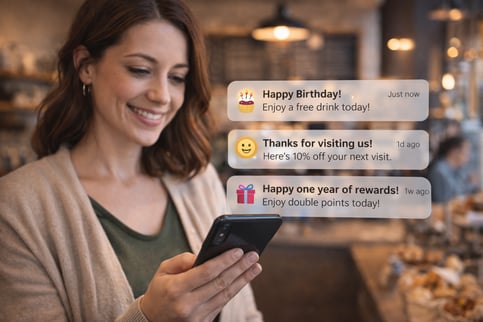
Timing matters. Sending messages during key moments creates more connections. Send messages after birthdays, first visits, or loyalty anniversaries.
18. Improving Customer Engagement With Retargeting
Retargeting helps get customers excited about your brand again with:
- Email
- App notifications
- SMS campaigns
Retargeting campaigns are most effective when based on real customer behavior.
19. Improving Customer Engagement With Guest Feedback
Feedback creates loyalty and improves the experience.
- Surveys: Use website forms, mobile app prompts, or email campaigns.
- Receipts: Physical or digital receipts can double as feedback options.
- Digital receipts: Guide future experiences by sending offers, thank-you messages, or tips.
20. Improve Client Engagement With Custom Loyalty Messaging
Loyalty messaging strategy mixes brand voice with timing to support customers. Different interactions need different tones:
21. Increasing Customer Engagement Using Data
Data is a powerful tool. Focus on:
- Grouping customers
- Tailoring offers
- Personal communications
- Improving loyalty programs
22. Increase Consumer Engagement With Surprise Rewards
Surprise rewards make customers happy about your brand. Focus on:
- Hidden app discounts
- Event invites
- Secret menus
- Games
23. How to Increase Client Engagement With Automated Flows
Automation tools allow businesses to grow. By grouping audiences by behavior, you can ensure every interaction is timely.
- Map customer path
- Identify touchpoint
- Learn behavior triggers:
- Check and test
24. Begin a Customer Engagement Plan Template
After building strategies, you must use your plan. A plan template is a guide that helps teams:
Frequently Asked Questions About Customer Engagement
These FAQs help restaurant and c-store teams take steps to grow their business.
What is a customer engagement strategy?
It connects brands with their customers at every touchpoint. It combines:
-
Loyalty programs
-
Personal communication
-
Data
What is the 3 Cs strategy?
It focuses on the:
-
Customer
-
Company
-
Competitor
This approach helps:
What is a 3-3-3 marketing strategy?
This creates:
This method:
It’s best for loyalty programs and multi-channel customer engagement efforts.
Build Strategic Customer Engagements with Tech
Building strong customer engagement makes more connections. Restaurants and c-stores can make customers feel valued with:
Successful engagement means:
-
Planning
-
Measurement
-
Improvement
By using data from loyalty programs, guest feedback, and buy behavior, teams can:
-
Improve campaigns
-
Learn customer needs
-
Encourage repeat visits
When engaging in daily tasks, every team member is part of improving the guest experience.
Do you want to boost engagement, revenue, and loyalty programs? Book a demo today.

 Kristin Lynch




 Julia Bigwood : May 09, 2025