
 Michelle Casey
2 min read
Convenience Store Marketing & Loyalty Program Trends for 2019
 Jeff Hoover : Jan 15, 2019
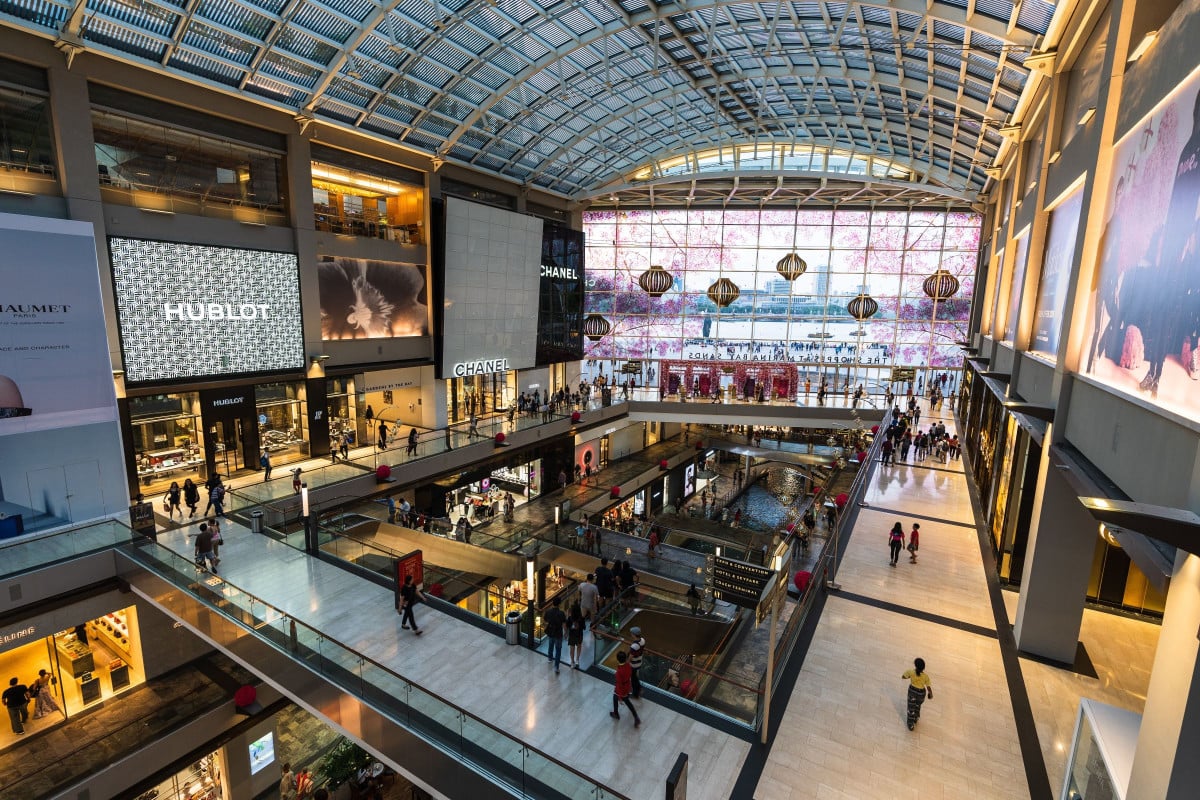
In-store marketing is an often-overlooked growth engine for businesses. Restaurant, convenience store, and hybrid retail owners can leverage it to enhance the customer experience and boost average order value.
In this article, we'll explore the best in-store marketing methods and how to use them effectively in your business.

In-store marketing is a marketing strategy that allows a restaurant owner to capture customers' attention while they're physically at the restaurant's retail location. It's anything from signage to TV or tablet displays to a sample table where customers can taste or test new products.
In-store marketing displays visuals to customers who are already in your store, making them an automatic captive audience.
In-store marketing refers to any visual aid that offers promotional or experiential offers in a physical store or business location. The goal of in-store marketing is to increase sales, brand engagement, and customer loyalty.
In-store marketing can include signage, digital displays (typically on TVs or tablets), staff interactions (sharing selected information about your promos at the point of contact), product placement, loyalty prompts (typically to sign up or download a loyalty application), and more.
When guests are already in your store, they're primed and receptive to your offers because their intent to purchase is at its highest. In-store marketing reaches customers at the point of purchase and can drive impulse purchases, increase loyalty sign-ups, and improve brand differentiation.
At the end of the day, all marketing matters. The goal (as it is with other marketing tools) is to improve every customer's experience and increase average order value (AOV).
Here are the top seven in-store marketing strategies to see results for your restaurant, hybrid retail store, or convenience store.
Put up displays and signage for scannable quick response (QR) codes with clear, benefit-driven language explaining why downloading your loyalty application will benefit them. These should be near checkout counters, payment kiosks, or wherever customers are paying for goods and services.
How to do it: Display signage with clear language, such as "Scan QR code to get a free drink on your next visit" or "Download our app to receive a free appetizer during your next visit."
Limited-time offers (LTOs) are enticing, especially to customers who are ready to spend money in your store. Highlight these offers using table tents or counter cards and showcase bundle deals, seasonal items, or high-margin add-ons.
How to do it: Harness basic copy and marketing tactics using visual hierarchy. This generally includes creating an eye-catching headline, photo, and value proposition, and ending with a call to action that encourages the customer to purchase or sign up.
Screens, such as digital menu boards, tablets, and TVs, can display marketing materials with minimal effort. To increase customer engagement, rotate content dynamically to promote offers based on the time of day.
Using screens, you can highlight loyalty perks, upsells, or mobile ordering options, thereby improving the customer experience.
Marketing strategies, such as in-store offers and rewards, create exclusivity and reward in-person visits. In the end, these offers ideally encourage customers to come back for repeat visits and increase overall customer lifetime value (CLV).
How to do this: Display in-store promotions with offers, such as "earn double points every Thursday in-store only" or "receive a free drink with in-store purchases over $15 (Wednesdays only)."
Employees are often an underrated source for in-store marketing campaigns. With training, staff can share and reinforce promotions at checkout, during general interactions, or at table touchpoints.
To increase the natural flow of conversations about campaigns or promotions, employees can wear pins or lanyards that highlight the loyalty program or special offers. This encourages guests to ask questions and express curiosity about offers.
Every material in your restaurant (and items leaving as takeaway) is an opportunity to spread the word about your restaurant or convenience store. Imprint packaging with loyalty info (such as QR codes to download the app), referral incentives that drive new customer growth, or add promo codes to bags and receipts.
An example for a restaurant owner may be adding text to the bottom of your receipt, such as "Refer a friend with this code to get $5 off your next order."
Customers love a free sample. Harness the power of "free" and spark curiosity among clients by setting up a product or sample station. These are great for introducing new menu items, beverages, and snacks.
Free samples and product demo stations are an excellent way to drive conversions, especially in convenience stores and grab-and-go concepts.
Businesses can utilize in-store marketing materials with digital campaigns to increase audience reach and campaign awareness. Here are the top three ways to do it.
Your digital marketing messages and efforts should align with your in-store displays. This not only reinforces those promos or offers but also increases overall trust in your business.
Match email or short message service (SMS) promotions with in-store signage and ensure you're offering the same promos as online. Consistency builds trust and also helps with recall and redemption, which can increase customer visits.

Loyalty data can help your team create an effective marketing strategy. Promote best-selling items by customer tier or provide LTOs that drive overall spend per visit.
You can run tests to find out which in-store strategies drive loyalty app enrollment or redemption rates using this data.
Each marketing campaign should have a mechanism to track data and measure return on investment (ROI). Use point-of-sale (POS) tags, unique offer codes, and QR codes to see where you're capturing your customers' attention.
You can also run A/B tests by location or time block.
Take advantage of your resources to streamline your marketing strategies (both in-store and online). Here's how you can do this:
Partner with platforms like Paytronix that integrate loyalty programs with customer relationship management (CRM) tools. Having these technologies linked allows you to auto-trigger in-store offers for new members or lapsed guests. An easy way to start building or repairing customer loyalty.
Integrated systems also allow for personalized prompts based on visit behavior. And the best part is that once you set up these systems, your team won't have to lift a finger to deliver these offers.
If your restaurant or convenience store is part of a franchise or you own multiple units, creating cross-company print and digital signage kits ensures your marketing efforts stay consistent.
At a company-wide level, build templates that individual stores can customize, while ensuring materials are brand-controlled. Marketing tactics like this ensure execution at the store level.
Integrated mobile applications can enable you to run location-based marketing campaigns. For example, in-store behavior can trigger push notifications. Apps let you enable customers to scan to pay and earn rewards while promoting specific campaigns or products on one screen.
Ready to amp up your location's marketing? Here are the most common questions and our answers. Read them now.
The 4 "Ps" of marketing include product, price, place, and promotion, which allow business owners to build marketing strategies that work for both owners and customers.
The 3-3-3 marketing rule encourages marketing teams to create three core messages for your brand (or product), select three audiences to target, and focus on three marketing channels (where customers are spending their time).
Displaying products in-store is the easiest way to get consumer eyes on them. You can also use visual merchandising, such as window displays, to hook your customers from the street. For example, gas stations often have large stickers for their "meal deals," which may include a drink, a chip, and a hot dog.
The seven Ps of retail marketing include product, price, promotion, place, people, process, and packaging.
Promotions and offers for new customers are a simple yet effective marketing tactic to increase your customer base.
In-store marketing may be a powerful level missing from your business. When used with intention, it allows you to reach your guests with the right message at the right time.
As with other marketing efforts, it should reinforce your brand, enhance the guest experience, and support digital campaigns.
Do you want to connect your in-store experience with digital loyalty, offers, and ordering? Schedule a demo now and bring it all together for smarter growth.

29 min read
Jeff Hoover : Jun 17, 2024
Here's what nobody tells you about convenience store marketing: Your best customers visit 3.7 times per week, but you're probably talking to them...

15 min read
 Julia Bigwood : Mar 13, 2025
Marketing incentives work by presenting your guests with an additional offer beyond the standard products or services. It promotes customer engagement