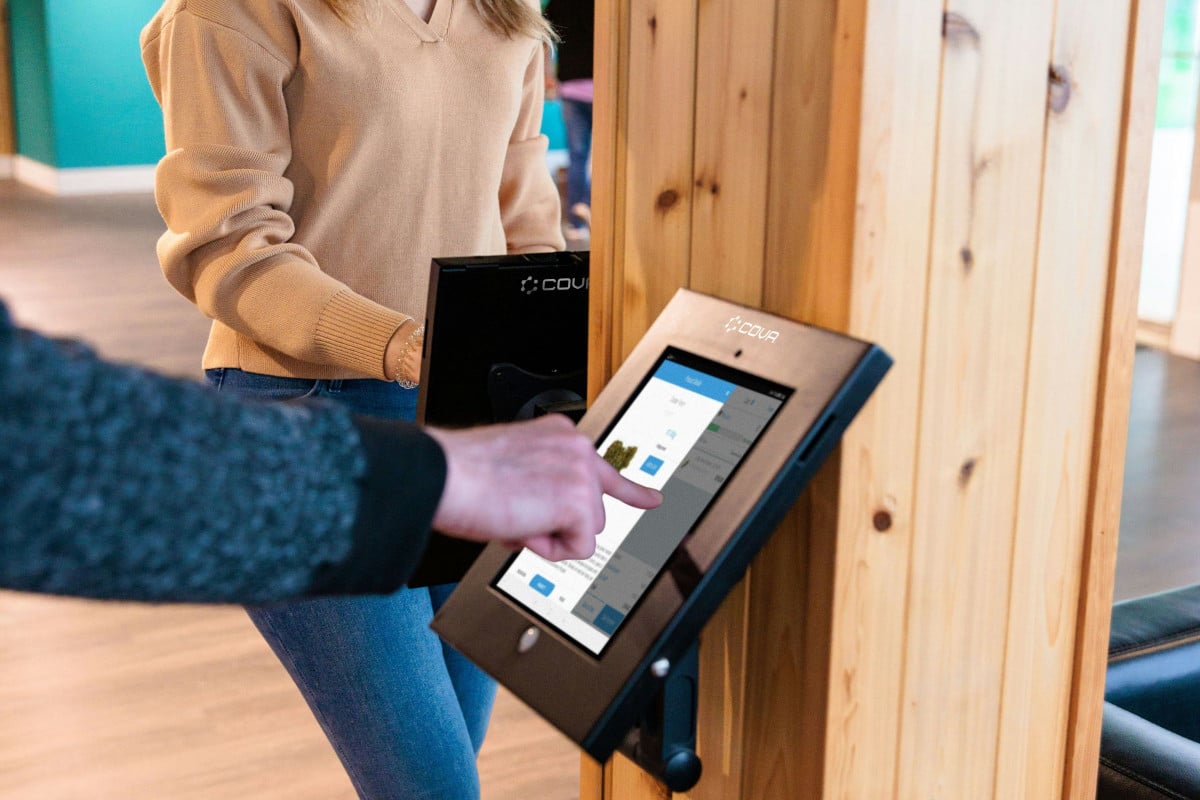
Slow service, confusing menus, or app glitches are common pain points that frustrate guests and push them to leave. When that happens, restaurants lose revenue and miss the chance to build customer loyalty, even when the experience is fixable.
That is why mapping the buyer journey from awareness to ongoing engagement matters, because it reveals where customers drop off, what drives repeat visits, and which touchpoints need improvement. Gathering customer feedback and customer data from surveys, reviews, social media, and behavioral analytics makes the path visible.
The restaurant market is still massive, and that matters for return on investment (ROI). Statista projected that in 2025, United States quick-service restaurant (QSR) franchises would exceed $320 billion while full-service restaurant (FSR) franchises would reach nearly $82 billion. When the market is this big, small improvements in the journey can pay off quickly.
In 2026, the restaurant customer journey is nonlinear; shaped by personalization and digital integration. This article covers 10 ways to map that journey for ROI, including how technology and ongoing measurement support smarter operational decisions for your business.
1. Understanding the Restaurant Customer Journey Framework
A restaurant journey map combines digital and physical touchpoints from initial awareness to customer advocates. It shows how customer types move through the process and where behavior affects the purchase decision.
A. The Five Stages of Restaurant Engagement
- Awareness: The stage where potential customers discover the restaurant’s brand (social media or a friend shares a photo of the meal).
- Consideration stage: Customers check menus, prices, and reviews before choosing where to go.
- Purchase: Booking a table online, ordering through an app, or paying at the counter.
- Experience: Service speed, staff attitude, and atmosphere determine satisfaction.
- Advocacy: Customers leave reviews, join a loyalty program, or become repeat guests.
B. Digital vs. Physical Journey Integration
Online ordering systems shorten wait times and reduce errors while in-person touchpoints like greetings, table setup, and staff interaction create memorable experiences. Mobile apps connect discovery, ordering, and rewards in one place, and contactless options like QR menus and mobile payments should still feel personal.
2. Creating Your Customer Journey Map
A journey map starts with clear goals and real data to understand the customer path and improve repeat visits. To create the map, gather information from reviews, surveys, point-of-sale (POS) data, and staff feedback.
A. Building the Visual Representation
A visual map makes the journey easy to analyze at a glance:
- Identifying all the touchpoints: Social media, website, online ordering, reservation, host interaction, dining, payment, and post-visit follow-up.
- Mapping customer emotions at each stage: Excitement at discovery, frustration during long wait times, and satisfaction after a smooth checkout.
- Documenting customer pain points: This is key because it highlights what drives customers away and where improvements impact revenue.
- Highlighting moments of delight: A surprise free dessert, quick service, or staff members recognizing a regular.
B. Customer Persona Development
Personas turn data into a clear picture of who your guests are. They guide decisions on messaging, menu design, and service style:
- Creating detailed profiles of your target audience based on age, dining preferences, and habits.
- Understanding different customer segments, like first-time visitors vs. repeat customers.
- Behavioral patterns and dining preferences, such as family dinners, quick lunches, or weekend celebrations.
- Technology adoption levels and expectations for ordering apps, digital menus, and loyalty programs.
3. Previsit Journey Optimization for Maximum ROI
Previsit moments determine whether a customer chooses your restaurant or a competitor. Optimizing these stages reduces friction and increases conversion from discovery to booking, improving ROI without raising costs.
A. Discovery and Awareness Tactics
A strong online presence makes the restaurant easier to find and more appealing:
- Social media engagement strategies: Posting behind-the-scenes content, highlighting specials, recipes, and responding quickly to comments.
- Google Reviews optimization: Replying to reviews in different platforms, using keywords in responses, and encouraging guests to share specifics.
- Online presence that attracts new customers: Accurate hours, clear menus, updated photos that reflect the real dining experience, and ways to reach you.
- Marketing campaigns: Promotions that match the audience, such as family deals, lunch bundles, and challenges.
B. Booking and Reservation Excellence
The booking system is a critical conversion point where customers decide whether the restaurant is worth the effort. A smooth reservation process increases customer satisfaction and lowers no-shows:
- Streamlining the reservation process: Short forms, immediate confirmation, and easy modifications.
- Online ordering integration strategies: Combining dine-in and takeout menus to reduce errors and increase order volume.
- Clear communication of offerings and availability: Updated menu items, limited-time items, and real-time seat availability.
- Setting expectations for the dining moment: Sending pre-visit reminders, parking tips, today's specials, and estimated wait times.
4. On-Site Experience Mapping for Revenue Growth
The on-site experience is where the restaurant earns its revenue and its reputation. Mapping the key touchpoints during the visit identifies improvements that increase spend, satisfaction, and repeat visits.
A. Arrival to Seating Optimization
First impressions matter because they shape the entire visit. A simple greeting, clear signage, and a clean waiting area can turn a hesitant guest into a repeat customer.
A strong host protocol reduces perceived wait time and improves the guest experience. For example, a restaurant that updates guests with wait time and offers a drink or snack sees fewer walkaways and higher return rates.
B. Service and Dining Excellence
Restaurant staff performance is one of the biggest drivers of positive experience and higher checks. Training teams to recognize key moments, like refilling drinks or offering recommendations, creates consistent service and increases revenue.
Menu presentation and upselling should feel natural, not pushy, and POS software should support speed and accuracy. A restaurant that uses its POS to suggest add-ons and track popular items can improve operational efficiency and boost average order value.
5. Technology Integration Throughout the Journey
Technology should connect every touchpoint, then the journey becomes measurable and improvable. Digital tools, from ordering to loyalty, help capture customer behavior and translate it into key insights that drive revenue.
A. Digital Tools That Drive ROI
Digital transformation goes beyond convenience and affects ROI directly. Mobile apps that combine ordering and loyalty, contactless payment, and digital comment cards replace paper forms and let restaurants capture positive feedback instantly.
B. Data Collection and Analysis
Connected and analyzed data drives every aspect of journey mapping. Restaurants should track customer interactions across touchpoints, including transaction data, social media messaging analytics, loyalty program metrics, and POS data.
Platforms like Paytronix can centralize these sources to allow teams spot trends, identify key data, and adjust the marketing strategy with the right tools. That makes it easier to improve the customer experience and drive more business.
6. Post-Visit Journey Strategies for Retention
Retention tactics keep customers in the restaurant’s minds after they leave. A strong post-visit strategy increases repeat visits and turns occasional diners into loyal guests.
A. Immediate Follow-Up Tactics
Acting quickly is key in hospitality because memories fade fast:
- Follow-up emails that invite customers back work best when they are timely, accurate, and focused on a clear next step.
- Review solicitation also fits here when delivering it at the right moment. A message sent after a smooth dining experience can encourage a social media post or a positive review without feeling pushy.
- A thank-you message strengthens relationships when it highlights what made the visit special. Adding special promotions for the next visit gives customers a reason to return and increases long-term value.
B. Long-Term Engagement Programs
Loyalty programs that reward repeat visits are more relevant than ever, especially when they help customers earn points and unlock VIP perks like early access to special events or birthday recognition. These programs create a lasting impression and build customer relationships that survive competitive offers.
7. Measuring Journey Success and ROI
Measuring performance is what turns UX journey mapping into a business discipline instead of an assumption. When restaurants track the right metrics, they stop guessing and start understanding how the journey affects revenue, efficiency, and long-term growth across the entire operation.
A. Key Performance Indicators
- Tracking satisfaction at booking, ordering, dining, and payment highlights where the experience supports or weakens the product or service.
- Conversion rates across stages reveal how the sales process performs in real conditions. Measuring how many guests move from awareness to booking, and from first visit to repeat visit, shows where adjustments are necessary to delight customers better.
- Customer lifetime value measures the revenue a restaurant business earns from a guest over time. Increasing frequency and average check size directly lift this metric.
- Revenue per available seat hour (RevPASH) complements this view by showing how efficiently to use capacity during service periods.
B. ROI Calculation Methods
Attribution modeling links marketing strategies to revenue across the journey, making it clear which interactions influence bookings and repeat visits. Comparing cost per acquisition with retention highlights whether growth comes from constant replacement or from strengthening the existing customer base.
Journey optimization improves profitability by reducing friction and enabling guests to move more smoothly between stages. Benchmarking results against industry standards confirms whether improvements are competitive and where further gains are realistic.
8. Common Pain Points and Solutions
When restaurants surface common pain points from the customer’s perspective, they can identify opportunities to improve the buying process, protect revenue, and influence decisions at the awareness stage and beyond.
A. Addressing Operational Challenges
Long wait times remain one of the fastest ways to lose guests, especially when delays feel unexplained or avoidable. From the moment staff members greet guests, unclear handoffs and missed signals can create frustration that lingers longer than the meal itself.
Technology gaps and inconsistent staff training still hold many teams back. Underused systems and inconsistent shifts break the experience. Clear standards, aligned tools, and a commitment to train consistently allow teams to offer proactive support instead of reactive fixes.
B. Customer Experience Friction Points
Reservation friction is a growing issue as guests compare options faster and with less patience. When booking feels difficult or unreliable, restaurants lose ground in customers’ minds before service even begins, regardless of reputation or location.
Service speed and checkout efficiency shape the final impression of a visit. Consistent food quality across visits reinforces trust while smooth payment flows reduce stress at the end of the experience.
9. Industry-Specific Journey Variations
Customer journeys vary widely depending on the business model, service style, and operational goals. Planning without these differences leads to misaligned priorities, while accurate mapping supports customer success and long-term retention across different restaurant formats.
A. Quick Service Restaurant Considerations
In quick service environments, the journey occurs around speed and convenience. Mapping mobile ordering, pickup flow, and drive-through efficiency reduces friction and turn customers faster without sacrificing accuracy or order confidence.
Short interactions still depend on strong internal processes. Clear handoffs between digital orders, kitchen production, and pickup points reduce errors and support phone calls only when exceptions occur, not as a default channel for order resolution.
B. Full-Service Restaurant Strategies
Full-service journeys are longer and more layered, which makes consistency harder to maintain. From reservation to farewell, each interaction reflects the buyer persona and requires coordination across front-of-house, kitchen, and service teams.
Wine programs, special occasions, and pacing all influence perception and spending. Tracking behavior across visits supports identifying trends in preferences and visit patterns, allowing teams to refine ambiance, timing, and service flow without disrupting the overall experience.
10. Future-Proofing Your Journey Strategy
Future-proofing starts with using the right tools consistently across internal processes. As consumer behavior evolves, restaurants need to understand how customers interact with digital and in-person touchpoints before small gaps turn into revenue loss.
Adopting new technologies only creates value when they support real operations and guest expectations. Transparent online reviews, proper training, and accurate data also matter as artificial intelligence (AI)-driven discovery becomes common. Optimizing for AI search protects customer retention and build lasting relationships.
A. Implementation Roadmap
A journey map only works when it turns into action. Implementation should combine quick fixes with long-term planning to improve the experience without disrupting operations.
B. Quick Wins (30 Days)
The first month should focus on key areas that affect how customers feel during their visit. Simple actions like refining service scripts, clarifying handoffs between the sales team and floor staff, and tightening response times can create happy customers quickly.
Low-cost changes often deliver high impact. Targeted training for the support team, small process fixes, and basic technology setup help address core customer needs without heavy investment, setting momentum for broader change.
C. Long-Term Transformation
Sustainable growth comes from turning quick wins into structured improvement. Over time, restaurants should align investment priorities with how experiences influence brand loyalty and long-term consumer relationships, rather than isolated metrics.
Building a customer-centric culture means embedding journey thinking into planning and reviews. When your teams act on insights consistently and marketing analytics, experiences become a deciding factor for repeat visits, making it easier to protect ROI.
Frequently Asked Questions About Restaurant Customer Journeys
Here are quick answers to common service standards that shape the customer journey. These practices help restaurants keep experiences consistent and reduce friction at every stage.
What is the 30/30/30/10 rule for restaurants?
This rule is a service timing guideline. 30 seconds to greet guests, 30 seconds to deliver menus or confirm orders, 30 seconds to check in after serving food, and 10 minutes for a follow-up or to resolve issues. It maintains consistent pacing and ensures customers receive attention at key moments.
What are the seven steps of service in a restaurant?
The seven steps typically include greeting, seating, presenting menus, taking orders, serving food and beverages, checking back during the meal, and delivering the check with a proper farewell. These steps create a structured flow that supports service quality and enables teams to collect customer information naturally.
What are the three Cs in a restaurant?
The three Cs are cleanliness, consistency, and customer care. Cleanliness ensures safety and comfort, consistency keeps quality reliable across visits, and customer care addresses needs and resolves issues. Together, they support a strong, free customer journey and help build loyalty.
Your Journey to Higher ROI
Start with a journey map that includes customer surveys and tracks distinct stages from awareness to advocacy. These essential mapping strategies reveal where guests drop off and what drives repeat visits, turning assumptions into clear improvement steps.
Optimization has a compound effect: Small upgrades in reservations, service flow, and digital touchpoints add up to better efficiency, higher frequency, and more revenue over time. When the whole journey works together, the restaurant gains momentum.
A positive customer experience across the entire relationship becomes the foundation for loyalty. A deeper understanding of guest behavior allows restaurants to stay competitive, while marketing teams focus on the right moments to retain customers.
Are you ready to improve ROI through better customer journeys? Book a demo today and see how our platform connects ordering, loyalty, feedback, and analytics in one place. Also download our 2025 Innovation Mini Report to learn what’s working now in loyalty marketing.

 Michelle Casey





 Kristin Lynch : Apr 24, 2025