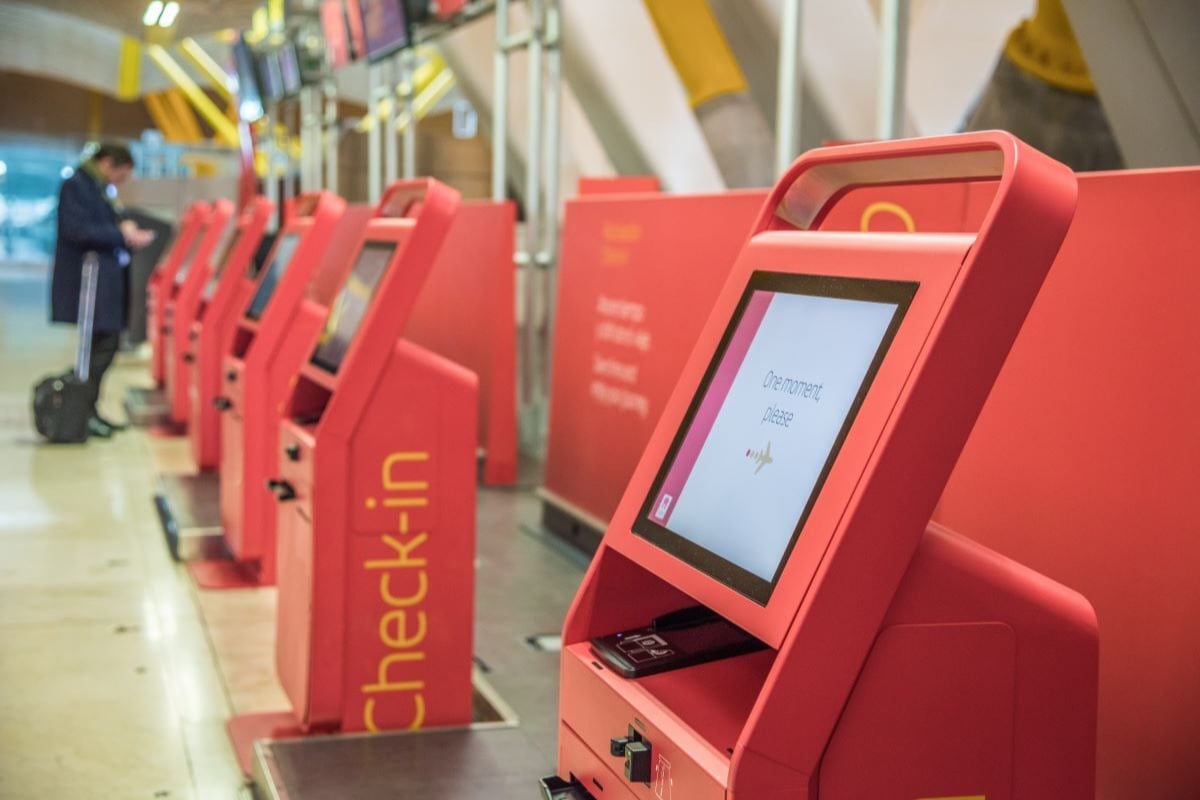
TL;DR: Self-ordering kiosks help restaurants serve more guests with fewer bottlenecks by speeding up ordering, improving accuracy, and encouraging larger purchases. The biggest gains come from how kiosks are designed and integrated with the rest of your restaurant technology.
- Why it matters: Labor shortages, rising wages, and higher guest expectations have made speed and efficiency competitive advantages. Self-ordering kiosks help you improve throughput while creating new opportunities to increase revenue.
- Who this is for: Restaurant operators, multi-location brands, and technology decision-makers evaluating self-service ordering solutions.
- Who can skip this: Restaurants that rely primarily on full-service dining with table-side ordering and have no plans to introduce self-service technology.
- What you'll walk away with: A practical understanding of how restaurant kiosks work, what benefits they deliver, how they integrate with existing systems, and what to consider before investing.
- Most common next step: Evaluating whether your current POS, loyalty platform, and kitchen workflows are ready to support self-service ordering.
Guest expectations have shifted. Speed matters, personalization is crucial, and value has to be obvious at the moment of ordering.
A well-designed self-ordering kiosk isn’t only a way to move lines faster. It’s a new decision point inside the store that shapes loyalty behavior, order value, and long-term engagement.
If you design that moment with intention, it becomes one of the most effective ways to influence how guests interact with your brand.
1. How a Self-Ordering Kiosk Drives More Loyalty Signups
A self-ordering kiosk meets guests at the exact moment they are ready to commit. That makes it a natural place to introduce loyalty without interrupting the flow.
Simple enrollment prompts during checkout, paired with visual cues like points earned or rewards unlocked, feel helpful rather than pushy. Every tap also captures clean first-party data, making personalization easier from the first visit.
2. Boosting Average Ticket Size Through Smart Upselling
Kiosks create space for upsells that feel intentional. Modifiers and add-ons appear exactly when they make sense while suggested pairings quietly guide guests toward higher-margin choices.
Visuals do some of the heavy lifting here. Clear imagery and simple layouts help guests picture the order, which often leads to slightly bigger baskets and increases revenue potential without feeling like a hard sell.
3. Reducing Wait Times and Increasing Guest Satisfaction
A restaurant loyalty kiosk gives guests a way to skip the line and place orders at their own pace, which is particularly helpful during the busiest parts of the day. Peak periods feel calmer when ordering spreads across screens instead of bottlenecking at the counter.
Running kiosks alongside staffed registers creates a parallel service model, keeping lines shorter and giving guests more control over how they order.
4. Why Every Restaurant Kiosk Should Support Integrated Loyalty
Restaurants unlock true value from a self-ordering kiosk when they build loyalty directly into the experience, rather than treating it as an afterthought. Seamless restaurant point-of-sale (POS) and restaurant customer relationship management software (CRM) syncing ensures points accrue and redeem in real time, without staff involvement or guest confusion.
When kiosks connect directly to platforms like Paytronix, loyalty becomes part of the transaction itself, not a separate step guests have to remember later.
5. What to Look for in a Self-Ordering Kiosk for Restaurants
A restaurant self-service kiosk has to work in the real world, not only on paper. Hardware should handle heavy daily use and fit naturally into the space.
Flexibility is important too. Look for support for custom menus, combos, and location-based pricing, plus built-in loyalty, analytics, and feedback tools that help teams learn what’s working without adding complexity.
6. Creating an Intuitive Restaurant Self-Service Kiosk Flow
A self-service kiosk for restaurants should feel obvious from the first tap. Clear steps, limited choices, and a strong visual hierarchy help guests focus on completing their order without hesitation.
When the flow mirrors how people think, ordering feels faster. Light use of artificial intelligence (AI) or past orders can surface relevant suggestions as long as recommendations support the decision rather than distract from it.
7. Key Features of a Great Self-Service Kiosk for Restaurants
A strong self-service kiosk restaurant experience starts with responsiveness. Touchscreens need to register input instantly and support Americans with Disabilities Act (ADA) accessibility without workarounds.
Speed is as important as behind the scenes, where error prevention and smooth handoffs reduce friction. Compatibility with kitchen printers and fulfillment systems ensures orders flow cleanly from screen to prep, without manual fixes or missed tickets.
8. Self-Service Kiosk Restaurant Success Stories
Clear goals for kiosk implementation deliver measurable impact. Convenience store brands that offer foodservice through a self-service kiosk restaurant often increase loyalty enrollment by integrating signups directly into the ordering process.
Urban quick-service restaurants (QSRs) using kiosks to relieve front-of-house (FOH) pressure tend to benefit from more consistent add-on sales. In both scenarios, faster ordering supports stronger guest satisfaction and repeat behavior.
9. How Kiosks Lower Labor Costs Without Sacrificing Service
Kiosks help during the busiest moments by taking ordering off the staff’s plate. That doesn’t remove employees from the floor.
It gives them space to help guests, keep orders moving, and support the kitchen. Over time, restaurant labor cost management becomes easier and payroll stays in check while maintaining a wonderful guest experience.
10. Minimizing Order Errors and Reducing Waste
Self-ordering reduces mistakes by letting guests enter exactly what they want, including customizations and add-ons. Fewer verbal exchanges mean fewer misheard details and more accurate order tickets.
That accuracy carries through to the back of house, where direct integration with kitchen printers speeds up prep and improves the handoff from order to fulfillment.
11. How Self-Ordering Kiosks Build Customer Habits
Kiosks help reinforce repeat behavior by making progress visible at checkout. Simple incentives, digital punch cards, or points counters remind guests they are working toward a goal.
Subtle gamification, like progress bars or reward previews, adds momentum without interrupting the flow. Over time, these small signals turn one-off visits into familiar routines that guests come back to naturally.
12. Integrating Your Self-Ordering Kiosk With Your Marketing Stack
Kiosks become far more valuable when they feed the rest of your campaigns and restaurant marketing channels. Email capture at checkout enables timely post-visit offers while CRM tagging segments guests based on real purchase behavior.
This data can power more relevant follow-up campaigns and retargeting, turning in-store orders into ongoing digital relationships instead of one-time transactions.
13. How to Encourage First-Time Guests to Use the Kiosk
The first guest interaction sets the tone. Clear signage and confident staff guidance help remove hesitation and set expectations.
Small incentives, like bonus points or a limited-time discount, can nudge guests to try the kiosk once. From there, the experience has to carry the weight. When kiosks feel intuitive and on brand, they come across as a convenience upgrade, not a lesser option.
14. Educating Guests on Loyalty at the Kiosk
Kiosks give brands space to explain loyalty without slowing down orders. Short on-screen prompts can highlight key perks at the right moment while simple examples show what guests could earn over time.
Clear “enroll now, earn later” messaging sets expectations and lowers commitment pressure. Clear and visual explanations of loyalty encourage guests to opt in confidently.
15. Best Practices for Fast Casual Restaurants
Fast casual kiosks are most effective when they prioritize flexibility and clarity. Let guests easily customize combos and ingredients and display calorie or nutrition information clearly for transparency.
Table trackers or pickup codes help manage handoff without crowding the counter. When designed thoughtfully, kiosks support speed and personalization while keeping service organized during peak periods.
16. Best Practices for C-Stores and Express Locations
In c-stores, guests expect to get in and out quickly. Kiosks should minimize questions and move guests through checkout payments quickly, especially during peak fuel traffic. Highlighting repeat favorites or simple bundles shortens decision time while nudging higher spend.
The biggest win comes from integration. When kiosks connect to fuel rewards or storewide programs, taking orders feels like part of one seamless visit.
17. Calculating ROI for Self-Ordering Kiosks
Return on investment (ROI) becomes clearer when you look beyond hardware costs and consider how kiosks support the wider business. Improved loyalty supports the entire restaurant customer journey, boosts repeat visits, and unlocks more precise guest data.
Labor savings come from reduced reliance on order takers and more efficient staffing. Add in increased ticket size and higher order volume during peak hours, and the ability to balance in-store demand alongside delivery services, and kiosks often justify themselves through a combination of revenue growth and operational efficiency.
18. Avoiding Common Mistakes When Implementing a Kiosk
Most kiosk issues are avoidable. Poor placement can limit adoption, even if the technology is solid.
Overcomplicated menus slow guests down and increase drop-off. The biggest miss is failing to integrate kiosks with POS or loyalty systems, which breaks the customer experience (CX) and limits insight.
Treat kiosks as part of the broader operation, not a stand-alone tool, and they are far more likely to succeed.
Frequently Asked Questions About Self-Ordering Kiosks
What is a self-ordering kiosk and how does it work in a restaurant setting?
A self-ordering kiosk is a touchscreen device that allows guests to browse the menu, customize their orders, pay, and send orders directly to the kitchen without ordering from a cashier. Most kiosks integrate with your POS system, so that orders flow into the same operational workflow as counter or online orders.
How much does a restaurant self-service kiosk increase average order value?
Restaurants often report average order value increases of 10% to 30% after implementing self-ordering kiosks. Digital ordering makes it easier to recommend upgrades, add-ons, and combo meals consistently, without relying on staff to upsell every customer. The exact increase depends on factors such as menu design, prompt placement, and how effectively the kiosk personalizes recommendations.
What are the main benefits and drawbacks of installing self-ordering kiosks in a restaurant?
The biggest benefits are faster service, improved order accuracy, reduced front-of-house labor requirements, and higher average check sizes. Guests also gain more control over order customization, which can improve satisfaction. The drawbacks include upfront hardware costs and ongoing maintenance. Restaurants should also ensure that kiosks integrate smoothly with existing systems before deployment.
How do restaurant self-service kiosks integrate with POS systems and loyalty programs?
Self-ordering kiosks connect to a restaurant's POS system to process orders, payments, and menu updates in real time. Many platforms also integrate with loyalty programs, allowing guests to identify themselves, earn or redeem rewards, and receive personalized offers during checkout. This creates a consistent experience across in-store, online, and mobile ordering channels.
How much does a restaurant self-ordering kiosk system cost to purchase and install?
Restaurant self-ordering kiosk costs vary based on hardware, software, and installation requirements, but many systems range from a few thousand dollars to more than $10,000 per kiosk. Ongoing expenses may also include software subscriptions, support, payment processing, and maintenance. The total investment depends on factors such as the number of locations, customization needs, and integration requirements for existing restaurant technology.
Why Self-Ordering Kiosks Are More Than a Convenience Tool
Self-ordering kiosks sit at the intersection of experience, efficiency, and growth. When designed thoughtfully, they support stronger loyalty participation, smoother in-store journeys, and more sustainable labor models. Value comes from how kiosks connect ordering, data, and engagement into one flow.
If you’re thinking about scaling without adding friction, it’s worth exploring how kiosks fit into your broader personalization strategy. Start with our Loyalty Personalization Mini Report to see what’s possible.

 Michelle Casey



 Kristin Lynch : Jun 16, 2025