Loyalty programs have changed. Today’s consumers expect brands to:
Making things personal creates more brand connection.
While loyalty templates can be easy to launch, they often fail. These treat every guest the same. But custom loyalty programs use a brand’s:
-
Data
-
Audience habits
-
Business goals
In this article, we’ll explore five brands that built loyalty programs that created double-digit sales growth.
What Are Custom Loyalty Programs?
Custom loyalty programs offer rewards, usually on an app. Restaurants and convenience stores use them to get guests to visit and buy more often. Unlike traditional models that rely on the point-and-redeem formula, these programs focus on creating experiences based on what customers value.
Templated loyalty programs are one-size-fits-all. They use generic rules that don't capture brand identity or customer behavior. These programs only get limited results because guests can tell when a program isn’t made for them.
A custom option uses loyalty experience with both the brand’s voice and the customer’s lifestyle. It considers:
This builds relationships that lead to:
The Power of Personalization
Successful loyalty programs go beyond discounts and free items. They use:
-
Segmentation
-
Exclusivity
-
Behavior-based rewards
Brands need to know what guests care about.
Segmentation allows brands to give offers that match customer intent. A frequent visitor might receive early access to new products. A guest who hasn't come in for a while could be invited back with a bonus. This creates a personal experience.
Exclusivity boosts that connection. Members who feel they’re part of something special form emotional ties that generic programs can’t.
Dunkin’ Rewards (powered by Paytronix) gives members-only promotions and birthday treats, turning everyday visits into special moments.
This is the difference between transactional and emotional loyalty. Transactional loyalty is built on short-term exchanges; customers buy to earn.
Emotional loyalty comes from recognition and value. When a guest feels understood, they return because the brand feels:
-
Familiar
-
Rewarding
-
Personal
The Rise of the Online Loyalty Program
Because people are online more, loyalty has kept pace. Modern guests expect easy:
-
Ordering from an app
-
Visiting a store
-
Browsing a website
The result is the online loyalty program that connects all interactions back to the brand. These programs prompt behavior by using data.
Building Always-On Engagement
An online loyalty program allows brands to stay connected with guests 24/7. Instead of relying solely on in-store visits, your business can connect to customers with:
-
Push notifications
-
Email updates
-
App-based offers
This “always-on” approach keeps the brand present in daily decision-making moments.
Digital programs make it easy to spark repeat behavior through automation and personalization. If you run a restaurant, you can prompt guests to reorder a favorite meal.
If you operate a c-store, you can highlight items left in a shopper's cart with bonus points for making the purchase. This connection builds:
-
Frequency
-
Familiarity
-
Loyalty
The Foundation for Omnichannel Marketing
Online loyalty is the core of omnichannel strategies. When loyalty data mixes with POS data, e-commerce platforms, and apps, it creates a complete view of the customer journey. Brands can offer better experiences, without breaking the emotional or transactional thread.
For restaurants and c-store operators, digital-first loyalty is the structure for reaching more people. By using data between digital and physical environments, an online loyalty program helps brands:
Case Study #1: Casey’s Uses Tiered Fuel and Food Rewards
Casey’s is one of the largest convenience store chains in the U.S. But it faced the challenge of getting people from the pump into the store. The brand needed a way to connect its food, retail, and fuel offerings into a single experience.
With the Casey’s Rewards program (using Paytronix technology), the brand introduced a tiered loyalty system that rewarded guests for every dollar spent. Members could earn points for:
That gave the program both emotional and transactional appeal.
The system stood out because the customer could use it for all purchases. That includes both mobile and in-store purchases. The program also encouraged guests who only bought food to check out the food items inside.
Casey’s saw a double-digit increase in visits among loyalty members and a rise in ticket size. Members who used both fuel and food rewards became even more loyal to the brand.
Case Study #2: Peet’s Coffee Gamifies Rewards
Peet’s Coffee had the challenge of making a more modern loyalty program. While its guests were loyal to the brand’s coffee, it wasn't getting the engagement within the app it wanted.
The company needed a program that could keep customers excited and returning. The brand wanted to connect better with its customers.
So, Peet’s redid its digital rewards program using the Paytronix platform. This time, the program focused on game-like rewards. Guests earned points for every purchase but were also encouraged to complete “streaks” and challenges. These fun prompts added a sense of "winning."
The platform helped Peet’s to give offers based on customer behavior. Frequent users got early access to limited-time beverages. Occasional visitors were given surprise bonuses. The "game" made earning rewards fun.
The results changed consumer behavior. Peet’s reported a double-digit increase in average order value when customers used the app. They were also more likely to visit the store.
Case Study #3: HuHot Boosts Loyalty with Exclusive Drops
HuHot, a fast-casual grill chain, faced a challenge. Traditional loyalty programs were driving visits but not commitment. Customers enjoyed earning points, but the relationship had no emotional value. The brand needed to make loyalty feel special.
So, HuHot started a subscription-based loyalty program powered by Paytronix. Instead of focusing on points, members paid a small monthly fee to unlock benefits, such as:
This changed the program from a rewards tracker into a personal membership experience.
The program was a success. Members loved the perks without the waiting, and limited releases and surprise bonuses made it fun.
Bonus meals for subscribers or seasonal offers kept it exciting.
The impact was fast. Subscribers:
The money from subscriptions provided predictability for the brand. HuHot proved that when customers feel important, loyalty becomes profit.
Case Study #4: Dutch Bros Coffee Uses Digital Stamp Cards With Online Ordering
Dutch Bros Coffee had used paper stamp cards to reward customer loyalty. But as guest habits changed, they wanted to know how to digitize the stamp model.
Dutch Bros replaced physical stamps with a digital stamp loyalty system with Paytronix. Guests earned stamps for each order, both in-store and on the mobile app. Full cards could be used for free drinks or menu items. The system mapped stamps to online ordering behavior by:
-
The visible stamp progress bar
-
App reminders when a stamp was close to completion
-
Bonus stamps for ordering via the app
-
Surprise bonuses during off-peak hours
These helped users make more digital purchases.
Dutch Bros gained over 1.4 million members in just one month after launching the digital program. Many old members were reactivated, and app ordering grew.
Case Study #5: SmashBurger Turns Loyalty Members into People Talking About the Brand
Smashburger faced a challenge. It wanted to turn casual diners into brand lovers. The brand’s rewards program was functional but didn't inspire.
So, Smashburger started SmashClub Rewards using Paytronix’s AI and segmentation tools. The program shifted to match:
-
Guest behavior
-
Preferences
-
Past actions
Top members got:
-
Surprise gifts
-
Referral bonuses
-
Limited menu items
-
“Bring a friend” bonuses
The brand also used social-sharing hooks that let members get special offers by posting their meals or writing reviews. Each feature encouraged members to invite others.
Why Tiered Loyalty Programs
Tiered loyalty programs use status and progression to keep customers coming back. People are motivated by personal recognition and wins. When guests can see their efforts rewarded with higher tiers, they’re more likely to spend.
Each tier offers a new level of benefits as customers move up. This makes regular purchases milestones.
Guests might go from "Member” level with basic rewards to “Gold” or “Platinum” tiers that include:
-
Early access
-
Birthday bonuses
-
Surprise upgrades
The climb becomes part of the fun.
While the structure can vary, most tiered programs are of three main types:
-
Spend-based
-
Engagement-based
-
Hybrid
This allows brands to design tiers that matter to their customers.
The result is more loyalty. When customers work toward rewards, the following happens:
A tier system helps people connect with your brand.
The impact was powerful. The relaunch added 6.5% to Smashburger’s annual sales. The data showed that loyalty increased growth.
Points-Based Loyalty Programs that Work
Points-based loyalty programs are popular. But not all of them get engagement. The traditional “earn and burn” model can feel routine. New programs are using data to make points part of a larger experience.
The best programs focus on reward design. They align point earning with behaviors that matter most to the brand:
-
Digital ordering
-
Telling friends
-
Trying new products
Successful online loyalty rewards programs mix instant wins with long-term goals. Guests might earn small rewards quickly to build excitement, while larger milestones keep people using the program. A coffee chain might let members redeem small point totals for drink upgrades while saving higher amounts for limited blends.
These help point programs do better:
-
Points that change to campaign goals
-
Bonus points during slow times
-
Rewards based on purchases
These keep the program fresh.
Points-based loyalty changes customer behavior with:
Online Loyalty Options That Grow with Your Brand
As brands grow, so do the demands on their tech. The right online loyalty program should:
For these needs, consider API platforms and white-label apps.
API Platforms
API platforms are for brands that want control over their customer experience. These let businesses build custom loyalty features into their:
-
Apps
-
Websites
-
POS systems
They are very flexible.
With API options, brands can:
White-Label Apps
White-label apps offer customization with a brand’s:
-
Colors
-
Logo
-
Reward structure
They’re faster and come with tools for:
-
Point tracking
-
Digital cards
-
Push notifications
For growing businesses, this is a good option.
While white-label apps have less creative freedom, they are fast and easy to use. They’re a good fit for:
-
Restaurants
-
Small retailers
-
Mid-sized franchises
The choice between API and white-label depends on your brand’s digital vision. If personalization, integration, and innovation are priorities, API loyalty is a good choice. If quick deployment matters more, white-label apps are great.

Building Online Rewards Programs
Creating online rewards programs is about designing something that:
A structured approach helps brands ensure that each element, from setup to engagement, contributes to both guest satisfaction and long-term loyalty.
Step 1: Define the Goal and Guest
Every successful rewards program starts with learning. Brands need to know what success looks like and who their ideal member is. Mapping guest behavior helps rewards feel personal.
Step 2: Design the Logic
Once goals are set, the next step is shaping how customers earn and use rewards. It should be easy and clear. Members should understand what their next reward is and how close they are to getting it. This sense of progress creates more visits.
Step 3: Build Dashboards
Customers must be able to see their rewards. Tracking lets guests see their rewards instantly, while dashboards help teams learn trends. These tools make it easy to:
Step 4: Digital Punch Cards
Digital punch cards are traditional, but people love them! When added to online ordering and apps, they give customers a simple way to track progress. A completed card can give instant rewards or special offers.
Step 5: Launch, Listen, and Make Changes
After launching, make changes when needed. Watch data, such as:
-
Redemption rate
-
Frequency
-
Lifetime value
Getting member feedback helps your program grow.
How Loyalty Program Websites Are Becoming Brand Hubs
Loyalty programs for websites reward purchases. They also make casual visitors long-term members. With loyalty programs, brands create more ways to engage via:
-
Homepage banners
-
Checkout prompts
-
Personal dashboards
Homepage Welcome Programs
Your homepage is often a visitor’s first impression. That means it's the perfect place to talk about your loyalty program. A welcome bar or interactive pop-up invites guests to sign up and earn points. Use the homepage to talk about special discounts or early access.
When loyalty sign-up is part of the homepage, it feels natural to visitors. This early engagement improves sign-up rates.
Checkout Programs
Adding a prompt like “Join our rewards program and earn points on this purchase” turns a sale into loyalty. These prompts help get more returning customers.
Show the benefits, such as showing how many points the purchase will earn. Checkout invites convert better than post-purchase reminders because they become a single action.
Account Engagement Programs
Member account pages are the loyalty hub. They allow users to:
-
View their progress
-
Track points
-
Access personal offers
This keeps members returning to look at their status.
Things like “You’re 50 points away from your next reward” or “Unlock your next tier with one more purchase” get people to buy more. It becomes active participation.
Digital Loyalty Cards
Today's loyalty card system goes beyond the wallet or keychain. What once required a plastic card is now part of the customer's phone. This has made loyalty easier to use.
Guests no longer need to remember a card or code. Instead, they can earn, view, and use rewards instantly. For brands, every scan becomes usable data.
Digital loyalty cards should include:
- Apple Wallet and Google Pay: Members can access rewards with a single tap.
- QR Codes: Quick scanning at checkout and mobile ordering connections digital and in-person.
- Updates: Balances, offers, and tier progress should be accessible in real time.
- Cross-System: Connect the card to your CRM, app, and POS systems.
Digital cards are easier to use and more personal.
Why Rewards Must Be Immediate
The best loyalty programs reward participation. Guests want rewards to be:
-
Immediate
-
Personal
-
Worth striving for
To keep members motivated, use a mix of:
-
Games
-
Exclusivity
-
Fast gratification
Immediacy builds momentum. When customers earn a bonus right after a purchase, they feel happy and want to do it again. Small rewards keep members active.
It should also be personal. You can do that by using data. Members who see their preferences reflected in rewards will engage more.
There should also be larger goals, such as:
-
Special tiers
-
Early product access
-
Invitations to events
Going after the goal is part of the experience.
Mobile App Loyalty
The mobile app is the heartbeat of customer engagement. Loyalty integration is what keeps it beating. A good app makes things personal and a place where members can:
A good app is a powerful way to get repeat business.
Guests can order ahead, collect points, and view offers without leaving the app. In-app ordering also makes personalizing easier.
Geolocation tech adds another layer. Push notifications can trigger when guests are near a store. These prompts get people nearby to come into the store.
When these elements work together, the result is easier interaction. Customers use the app to:
Making Loyalty Easy Online and In-Store
For loyalty programs provide impact, they must be on every channel. Customers want their rewards, offers, and profiles to be the same if they're:
-
Shopping online
-
Using an app
-
Visiting in person
A connection between platforms improves the brand.
Customers need to see loyalty data in real time. This makes it less confusing and builds trust.
Brands should focus on:
- Integrated POS and online systems.
- Central customer profiles.
- Real-time access between mobile, web, and in-store platforms.
- Shared dashboards that help teams understand their members.
Online and in-store experiences should be similar. Data should flow across all platforms. A member who earns points on an app order can later redeem them at the register.
4 Ways to Get Loyalty Program Sign Ups
Loyalty programs work only if guests join them. Getting more sign-ups requires:
-
Visibility
-
Timing
-
Human connection
Everything should remind customers that membership adds value.
1. Promotions and Limited-Time Offers
Promotional campaigns get people to join. Offering bonus points or rewards for signing up gives customers a reason to act. When paired with a sense of urgency, such as “Join this week to earn double rewards”, promotions feel like something special.
2. On-Site Pop-Ups and Digital Prompts
Pop-ups on websites or apps help convert visitors into members. These work best when they are personal. Calls to action and previews of the benefits help people understand what they will get when they join.
3. Reminders
Receipts are a tool for getting sign-ups. Adding a QR code or short invitation, such as “Earn points for today’s purchase,” works. Digital receipts can include links to the loyalty program.
4. Staff Training
Employees support loyalty. When staff members are trained to explain program benefits during a conversation, the number of people who join goes up. Get your team excited by offering rewards for getting customers to sign up.

Loyalty Member Spend vs. Non-Member Spend
Loyalty programs boost revenue because members:
This difference shows that people like personal rewards.
Brands see 10–20% higher average order values from loyalty members. Because these customers love getting and spending rewards, they’re more likely to:
Non-members tend to purchase only what they initially planned.
Members often return 2-3x more than non-members. When paired with promotions and benefits, it supports growth and retention goals.
Comparing member versus non-member spend shows the benefits of loyalty ROI.
Average Order Value Goes Up by Loyalty Tier
Loyalty tiers create higher spending as members progress. Customers in higher tiers place larger orders because rewards improve with status. The desire to maintain or go up a tier impacts purchases.
Entry-level members usually show some AOV growth. Mid-tier members respond to bonus rewards and upgrades. Top-tier members have the highest AOV.
Tracking AOV by tier helps brands understand which benefits get people to spend. It also allows teams to change rewards when needed.
Repeat Purchase Rate and Boost Visits
Repeat purchase rate and visit frequency show if your program is working. Members who engage with a loyalty program return more often because rewards create a reason to choose the brand.
Loyalty programs boost visits by motivating customers with:
Tracking how often people visit and purchase helps brands learn what keeps customers coming back. When these metrics go up, it signals that loyalty is working.
Customer Lifetime Value Improvements from Custom Loyalty
Custom loyalty programs impact restaurant customer lifetime value by strengthening relationships. When rewards are personal, customers stay longer and continue choosing the brand. This value is important.
Custom loyalty changes as customer habits change. As you keep more customers, so does lifetime value.
Custom loyalty programs turn everyday guests into high-value members. Measuring customer future value and CLV helps you create better strategies.
Engagement Data
Engagement data shows how members use a loyalty program beyond making purchases. Clicks and opens show whether messages or opened, and redemptions show whether rewards feel valuable enough to act on. These signals help brands understand what captures attention.
Redemption rates are telling. High redemptions suggest rewards are interesting to your customers, while low redemption rates show they aren't. Checking this data helps teams adjust rewards and timing.
Reviews and feedback add depth to the data. When loyalty members leave reviews or share experiences, it signals an emotional connection. Tracking these actions provides a better picture of loyalty health.
Redemption Rates
Redemption rates show if the loyalty program is working. When members get cash rewards, it signals that offers are:
-
Relevant
-
Attainable
-
Clearly communicated
When many customers cash in their rewards, it shows good engagement.
Low rates often mean that rewards are:
-
Out of reach
-
Confusing
-
Not valuable
Very high redemption without a boost in revenue means that your rewards are too giving.
Balanced rates show that a program is driving both engagement and profitability.
Member's Leaving and Recovery
Member leaving data shows how many loyalty participants stop using the program. High leaving rates show that rewards aren't great or that you aren't communicating well.
Previous users represent a chance for recovery. These members already know the brand and the program, so it is easier to get them to come back with:
-
Personal gifts
-
Reminder messages
-
Bonuses
Loyalty Goals Must Match Business KPIs
Loyalty programs give the most value when they are tied to business goals. They should support:
Loyalty creates repeat visits and higher-value purchases. When retention improves, customer lifetime value rises.
Loyalty also boosts AOV and gets new guests. Tiers and bonus rewards get members to spend more per visit. Sign-up gifts turn first-time buyers into members. Match these efforts with KPIs to measure impact.
Rewards by Guest Behavior
Creating rewards based on customer behavior makes for personal loyalty programs. Brands can create rewards based on:
-
Visits
-
Spending
-
Engagement
People who buy a lot can earn tier upgrades. Customers who don't buy as much may respond better to reactivation offers.
By matching offers to behavior, brands influence actions. Customers are more likely to engage when rewards are personal.
Building Loyalty Around Customer Lifecycles
Loyalty programs support customers at every stage. Strategies that work guide guests from their first interaction toward long-term engagement. Each stage requires different rewards and messaging.
The first visit is about helping and value using:
-
Simple rewards
-
Welcome bonuses
-
Instant gifts
Once customers return, loyalty shifts toward habit-building with:
-
Recognition
-
Progress tracking
-
Personal offers
As habits form, loyalty programs deepen with
-
Tiers
-
Exclusivity
-
Meaningful rewards
Over time, members:
-
Tell their friends
-
Leave reviews
-
Share experiences
Using Customer Data to Create Loyalty
Customer data makes things personal. When brands understand how, when, and where customers interact, they can offer better rewards. Data turns loyalty personal.
Email and app notifications can create offers based on past purchases or inactivity. Kiosk prompts can spot returning guests in real time. POS triggers provide rewards at checkout.
How to Get Loyalty into Your Marketing Strategy
Getting loyalty into your marketing strategy means using it everywhere. Paid media can create loyalty offers. It’s about using ads to build interest in your loyalty program.
Owned channels should show the value of your loyalty program. Share and use:
-
Success stories
-
Exclusive rewards
-
CTAs
CRM systems build relationships. Brands can send personal offers and reminders. Automated campaigns can:
Social media is great for community building. Try promoting with:
Social sharing gets people talking about your brand.
Referral and Advocacy
Word of mouth and social sharing are cost-effective ways to grow your loyalty program. Rewarding referrals incentivizes loyal members to bring in new customers by offering them:
-
Bonuses points
-
Discounts
-
Special access
Social sharing is another tool. By offering rewards, customers can help spread the word. These social "shout-outs" boost your brand.
Surprise and Delight
Surprise and delight keep loyalty programs exciting. Giving birthday bonuses is an easy way to make members feel valued. These unexpected rewards create good connections with the brand.
Weather-based offers tap into real-time conditions to drive sales. A discount on warm drinks during a cold time makes members feel the brand understands them.
Push notifications raise engagement. A reminder about rewards or a surprise bonus can create action.
These surprises make the experience feel special.
Tier Ending Campaigns
Tier ending campaigns create action. Messaging like “X days left to keep Gold Status” makes members do what is needed to keep their status.
This plays on the fear of losing benefits. Offering bonus points or offers can make members take action.
Send notifications via email, app, or SMS.
Cross-Channel Loyalty
This keeps your brand in the minds of your members.
SMS and email are perfect for personal offers. App notifications can prompt quick actions.
Coordinating across channels keeps messages personal. The more consistent the experience, the stronger the emotional connection to the brand.
A/B Testing
A/B testing helps brands make better loyalty offers. Test:
-
Channel preference
-
Timing
-
Offer value
Channel preference helps decide if you should use:
-
SMS
-
Email
-
App notifications
Timing tests show the best time for each offer. Changing offers lets brands see what works best.
Loyalty and AI
AI is changing loyalty programs by making them more personal. Brands can use AI to learn what customers want and make offers to meet their needs.
AI helps identify patterns. This data boosts loyalty by giving the right offer at the right time.
As AI continues to grow, loyalty programs will become even more intuitive.
Matching Loyalty to Inventory and Menu Planning
By understanding purchase patterns, loyalty programs can predict demand for specific items.
When loyalty data is tied to menu planning, brands can offer targeted rewards based on what customers want. This drives sales for specific menu items.
This helps make menu changes. If you have too much of a certain item, loyalty members can be targeted with offers to increase their purchases of that item.
Subscription Loyalty Programs
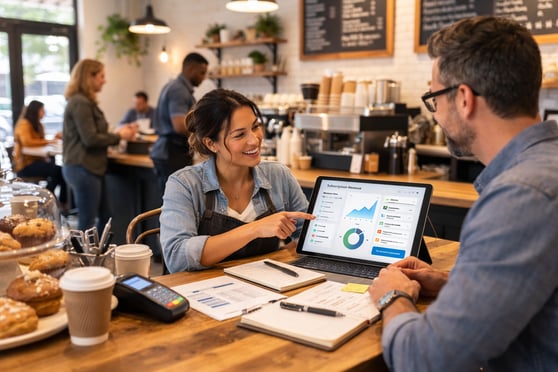
Subscription loyalty programs provide brands with a steady revenue. By offering special benefits, members will pay a membership fee to get them. That creates a predictable cash flow.
These programs offer ongoing value, such as:
For businesses, subscription loyalty programs increase CLV. They also provide data on what customers like.
Building Global Communities With Loyalty
Custom loyalty programs help brands create global communities. By understanding cultural needs and local trends, brands can create targeted loyalty offerings.
These programs make customers feel part of a larger brand family with:
-
Special rewards
-
Member events
-
Regional offers
Using data from loyalty programs helps brands track behavior.
Adding Your Program to Apple and Mobile Wallets
Adding loyalty programs to Apple Wallet makes it easier to earn rewards. That's because people have instant access on their phones. Members no longer need physical cards.
Whether customers shop in-store or online, their loyalty program experience is easier.
3 Major Mistakes to Avoid
Don't make your loyalty program too difficult to use. That just frustrates your members.
Too many rules also increase the chances of errors. Programs should be easy to understand.
By keeping rules simple, brands can create a positive experience that leads to more loyalty.
1. Offering Rewards with No Value
Rewards without value make your loyalty program look bad. If customers don’t feel the rewards are worth it, they'll leave the program.
Weak rewards don't create excitement. Instead, offer rewards like:
-
Discounts
-
Special items
-
Experiences
Rewards must mean something. This creates a sense of accomplishment for your members.
When rewards feel valuable, customers are more likely to return.
2. Not Training Staff
Failing to train staff to talk about loyalty programs is a problem. Without the right training, they may miss chances to get customers to sign up.
Staff training helps workers talk about the program. This makes customers feel valued.
3. Skipping Data Checks
Not checking data can stall your loyalty program. This leads to missed opportunities.
Checking data helps brands:
-
See trends
-
Change rewards
-
Try new ideas
Using data checks helps boost ROI.
Tools for Starting a Loyalty Program
Choosing the right platform is the best way to start a great loyalty program. Loyalty management platforms like Paytronix offer solutions that work with your:
These platforms make it easy to:
-
Manage rewards
-
Track member
-
Communicate
They also work with your
-
Email marketing tools
-
SMS systems
-
Mobile apps
Consider tools with live data to check customer behavior.
By selecting the best tech, brands can launch a loyalty program that is:
-
Scalable
-
Efficient
-
Effective
Questions to Ask
You need to ask questions to see if the platform meets your needs:
- Does it provide custom rewards and program levels?
- Can the platform connect to POS, CRM, and marketing tools?
- How will it do data and reporting?
- What kind of support do they provide?
These questions help you learn if it is a good fit.
How to Connect Loyalty to Other Systems
Connecting systems makes sure that loyalty data is captured across all systems.
Start by connecting your POS. This makes cashing rewards easier. For ordering systems, connect loyalty features so members can earn and redeem rewards in-store and online.
Connecting loyalty data into the CRM allows for personal promotions based on:
-
Purchases
-
Location
-
Preferences
FAQs About Custom Loyalty Programs
How do you create your own loyalty program?
It begins with understanding your customer base and business goals. Start with what you want your program to do.
Then, choose a structure. Connect the program with your other systems.
Finally, offer personal rewards that your members will love.
What is the success rate of loyalty programs?
The success rate depends on:
-
Quality of rewards
-
How easy it is to use
-
Customer engagement
A good loyalty program can boost customer retention by 5-10% and increase revenue by 30%.
What does the future of loyalty look like?
The future of loyalty is:
As tech advances, AI will make programs even more personal.
The Sales Impact of a Custom Loyalty Program
Custom loyalty programs create more profit and customer value. They provide:
Ready for the power of a custom loyalty program? Explore loyalty solutions now with our team.

 Kristin Lynch



 Julia Bigwood : Mar 15, 2024