TL;DR: Customer experience management increases LTV when restaurants and retail brands use guest data to make each interaction easier, more relevant, and more likely to lead to another visit. Strong CX strategies connect loyalty, personalization, feedback, employee training, and digital tools so operators can turn better experiences into measurable revenue growth.
- Why it matters: Strong customer experience affects repeat visits, retention, and long-term guest value. When guests feel recognized and have fewer reasons to disengage, they’re more likely to keep choosing your brand.
- Who this is for: Restaurant, retail, and convenience store operators responsible for guest engagement, loyalty, marketing, or customer experience.
- Who can skip this: Very early-stage operators that haven’t started collecting guest data yet.
- What you’ll walk away with: A clearer view of how CXM connects daily guest interactions to loyalty, personalization, feedback, and LTV.
- Best next step to take: Review the touchpoints where guests experience the most friction, then decide which CX metric should guide your first improvement.
Customer experience (CX) refers to how a guest feels after any interaction with your business. While a quality experience leads to positive associations and repeat purchases, a poor experience can have the opposite effect, possibly slowing your revenue growth.
This is why creating a positive customer experience is crucial for guest loyalty, retention, and lifetime value (LTV). Below, we’ve outlined everything you need to know to build a successful CX strategy, from closing the loop on customer feedback to finding the right customer experience platform. Let’s get started.
Foundations of Customer Experience
What Is Customer Experience Management (CXM)?
CXM is the strategic coordination behind every interaction with a guest to improve your customer’s perception of your brand. It’s especially important for companies in hospitality, retail, and restaurants because a superior customer experience leads to repeat customers.
Why Customer Experience Management Strategies Drive LTV
Customer experience feeds into LTV because a satisfied guest is more likely to return and spend more over the course of their engagement with your business. As a result, there is a direct correlation between revenue growth and positive customer experience.
Key Metrics That Matter in CXM
When tracking the impact of your CXM, the following four metrics are the most valuable:
- Customer satisfaction (CSAT): This metric measures how happy a customer is with each interaction with your business.
- Net Promoter Score (NPS): Use this data point to gain a deep understanding of how likely a customer is to recommend your business.
- Customer effort score (CES): Use this metric to assess how easily a customer can interact with your business or have their issues resolved.
- Customer lifetime value (CLV/LTV): This is the total profit your business expects to generate from a customer over their engagement.
Understanding Customer Expectations
The Evolution of Customer Expectations
It used to be the case that you could maintain a satisfied customer base solely by service quality. However, customers expect a holistic experience from your brand. This omnichannel engagement includes advertising, marketing, social media, email, and in-person experiences. In short, you prioritize creating a consistent brand experience at every guest touchpoint.
Why Customers Pay More for Convenience
Convenience saves your guests time and reduces their stress when placing an order or getting what they need. A Deloitte report found that over 70% of customers are willing to pay more for easier interactions.
Key insight: Online ordering is one of the best ways to empower customers with convenient ordering. The process can be even more seamless if you invite them to order through a restaurant mobile app.
The Role of Personalization in Customer Experience
Personalization connects your guests to your brand. Based on their historical purchasing data, you may make add-on suggestions when they make a purchase or offer a customized loyalty reward. This data-driven personalization allows you to meet customer needs accurately, elevating CX in the process.
How to Anticipate Guest Needs Proactively
Guest behavior data tells you who your customers are while trends in this data help predict their future behavior. For example, if you’re launching a new menu item, you might leverage customer data to see which guests would be most excited about it based on their past purchases. You could send these customers personalized emails announcing the item or offering exclusive early access.
Building a Strong Customer Experience Management Strategy
Crafting a Customer Experience Management Strategy
These are four key elements of a CXM strategy that will help establish a strong foundation:
- Research: Spend time researching trends in your industry, competition, and modern technology to inform your approach.
- Mapping: Look at the entire customer journey, from when they discover your business to eventually making a purchase, to identify pain points or friction.
- Key performance indicators (KPIs): Choose KPIs that connect to your business’s desired outcomes and customer experience goals directly.
- Culture: Foster organization wide alignment among your internal teams to make sure everyone works toward the same goals.
Aligning Departments Around CXM
Cross-functional alignment means your marketing, operations, and information technology (IT) are on the same page when executing a CX strategy. This collaboration is crucial for the success of any CX program because it removes siloes and makes sure everyone works toward the same goal.
Defining Clear Objectives for Customer Experience
Choosing KPIs that connect to business outcomes directly is the most effective way to demonstrate the impact of your efforts. Start by looking at your business’s customer experience goals and areas for improvement, and then select KPIs that are directly related to these objectives.
Using Marketing Automation Tools in CXM
CXM marketing automation tools can analyze your customers’ behavioral data and extract insights to send personalized emails, offers, or rewards automatically. This technology saves your team time and eliminates the guesswork out of determining what your guests want from your business.
Customer Journey Mapping
Why Customer Journey Mapping Is a Key Part of CXM
Customer journey mapping is a visual representation of the average guest’s path to discover and engage with your business. When you understand this entire journey, you can create a customer experience funnel that guides prospective guests through preferred channels successfully to make a purchase, enroll in your loyalty program, or take another desired action.
Identifying Pain Points and Friction
Customer journey mapping provides a big-picture view of your process for attracting guests. With this perspective, it’s easier to spot which parts of the process are seamless and those that introduce friction. Your team can use this information to narrow your focus and resolve pain points, ensuring a seamless customer experience.
Turning Pain Points Into Opportunities
Look at your customers’ most common pain points as opportunities to demonstrate improvement to business leadership and boost their experience. Resolving these challenges is a great place to start when revamping your CX strategy.
Ongoing Journey Optimization
As you learn more about your customer personas and the external factors that impact their decision-making, your customer journeys will change. Because of this, your customer journey mapping is an ongoing process that you’ll optimize continuously.
Collecting and Using Guest Feedback
How Customer Feedback Shapes Experience Management
Customer feedback is an asset for your business in two ways. First, it gives you an insider’s look at what your customers want from your business, allowing you to tailor your offerings and practices to what their needs.
Second, customer feedback lets your guests know that you value their input. By building a closed feedback loop, you make sure every piece of customer feedback you receive leads to an actionable, impactful insight.
Collect Feedback at Crucial Touchpoints
You want to seek customer feedback strategically after they’ve engaged with your business. When they’ve made a purchase, had a problem resolved by your customer support team, or used a new feature in your mobile app, these are good moments to ask for their input because their interaction with your business is fresh in their memory.
Using Real-Time Feedback for Better Service
Feedback surveys are great for gaining input about broader improvements that you could make, but there’s a delay from the moment you send out a survey to when you get a response. For real-time feedback, turn to your mobile apps, social media, or in-store kiosks. These places gather data constantly, which means you can find up-to-date analytics when you need them.
Turning Negative Feedback Into Positive Outcomes
Negative feedback allows you to show loyal guests that you take their input seriously. Your ability to turn negative feedback into actionable insights is how you close the feedback loop and drive ongoing improvement to bolster guest satisfaction.
Data-Driven Customer Experience Management
Using Customer Data to Deliver Personalized Interactions
Gathering customer data is step one. To turn these analytics into actionable insights, you need to use strategies like segmentation, purchase history, and behavioral data. Now, you can operationalize these insights in your CXM strategy.
Creating Customer Personas That Drive Actionable Insights
Using your customer data, categorize your guests based on shared habits and create personas. These personas can help you get a deeper understanding of your guests’ motivations, interests, and desires. With this knowledge, you can better meet customer demand.
Data-Backed Campaigns That Increase LTV
Guest data reveals purchasing habits, which can also inform other menu items or services they might enjoy. This creates an opportunity to cross-sell and upsell to customers, increasing their LTV. You might also use this data to create loyalty program rewards that your customers are more likely to find appealing.
Protecting Customer Data While Driving CX
Your guests want to feel confident that their data is safe, but you also need robust buying data to personalize your offers. Make sure you take steps to balance personalization with privacy. You could go even further and communicate to your guests the security measures you take, demonstrating why they can trust you.
10 Actionable CXM Strategies to Boost LTV
Strategy 1: Empower Employees to Deliver Exceptional Service
Because your employees interact most with customers, they play a large role in your business’s customer experience. You can set your team up for success by fostering a high-quality work environment, providing thorough onboarding so they feel prepared for day-to-day work, and offering incentives for exceptional service.
A great customer experience translates into customer satisfaction.
Strategy 2: Provide a Seamless Omnichannel Experience
It’s best to think of every interaction as one part of a customer’s holistic experience with your brand. You can simplify creating this experience through integrations.
Make sure your online ordering platform, mobile apps, point-of-sale (POS) system, and other in-store technology connect. That way, you create a consistent, high-quality omnichannel experience.
Strategy 3: Personalize Interactions at Scale
Personalizing experiences for each guest can take many forms. First, you can leverage loyalty programs to gather high-quality data for strategic upsells, add-ons, exclusive offers, or limited-time deals.
Targeted promotional campaigns are another option for personalization. This looks like building a campaign around a specific customer persona, tailoring it to their buying habits and interests and then connecting with guests via email, social media, or advertising.
Strategy 4: Reduce Customer Effort at Key Touchpoints
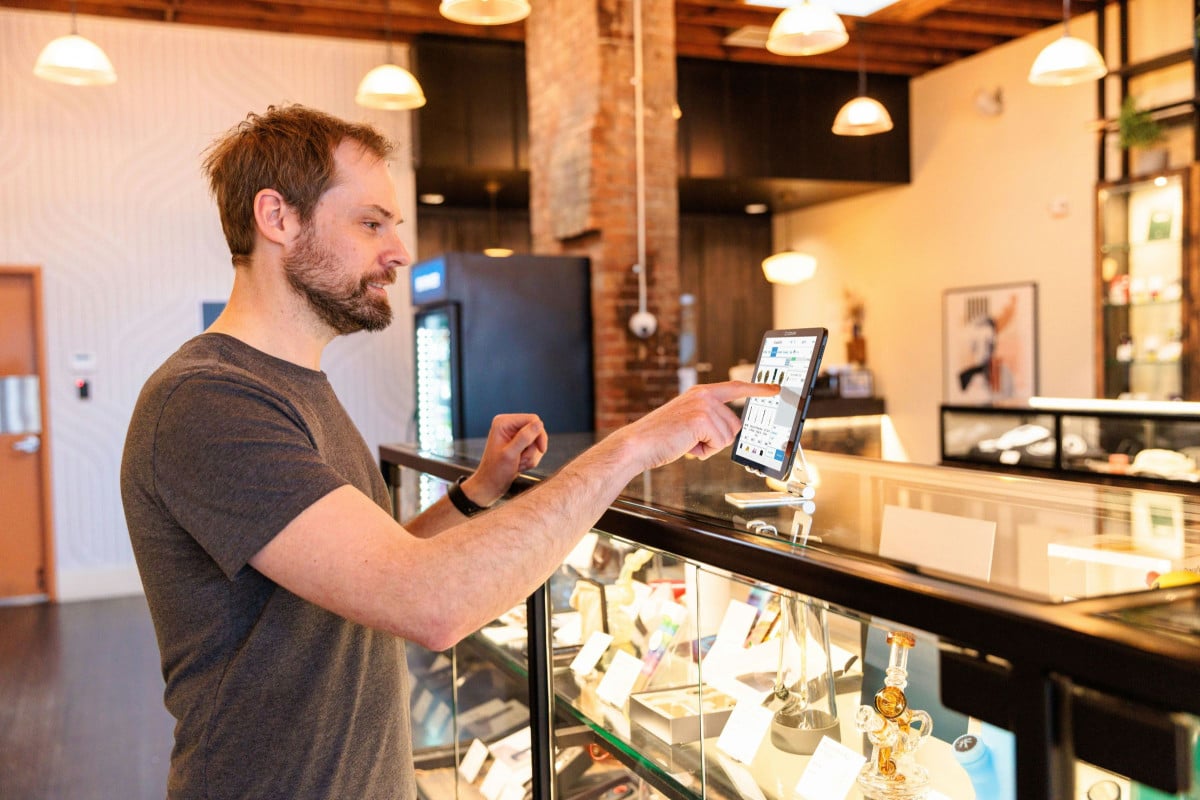
Once a customer has decided which menu items they want to order, they’re eager to make the purchase and enjoy it. You can create a seamless experience by offering self-service kiosks at your physical locations and a fast checkout for online orders.
For online ordering, allow guests to store their credit card or address information in the mobile app so they don’t need to reenter it when checking out.
Strategy 5: Use Artificial Intelligence (AI) and Automation for Real-Time Support
Modern technologies like AI and automation enable your customer service staff to deliver high-quality support quickly. Use chatbots on your website so guests can get answers quickly, providing customers with real-time support.
Strategy 6: Create Feedback Loops That Drive Ongoing Improvement
Customer expectations change, so your CX strategy needs to evolve to continue meeting their needs. As you create your approach, build in feedback loops to ensure continuous improvement.
This could involve gathering customer feedback, running focus groups, auditing current processes, or conducting a large-scale data review.
Strategy 7: Invest in Customer Experience Platforms
A CXM platform makes it seamless and simple to build a strategic omnichannel customer experience. It serves as a central source of information, integrating with all your systems and using real-time customer data to guide personalization.
Strategy 8: Align Marketing and Service Teams
When teams are on the same page, everyone works toward the same goal. Make sure your service teams know about ongoing marketing initiatives like special offers or limited-time deals, so they can communicate them to customers.
Without a unified approach to customer engagement, your teams may work in siloes, resulting in scattered goals and less customer satisfaction.
Strategy 9: Improve Loyalty Programs for Repeat Business
Loyalty programs reward guests the more they purchase from your business. You can structure a loyalty program in a handful of ways.
Gamification, for example, awards your guests with points, stars, or another medium with every purchase and moves them toward a larger reward. You could also use tiered rewards that move your guests up with each purchase. Every tier offers unique rewards that increase in value as a guest spends more.
Strategy 10: Optimize Support Processes for Faster Resolutions
Your staff will most likely have the most interaction with your guests, so it’s crucial that you train your team with support skills and friendly service. Make sure your team knows how to work with guests to resolve their issues quickly and understands the inner workings of your operations so they are well-informed to assist customers successfully.
Your support team’s performance when resolving customer issues impacts a guest’s overall satisfaction with your business.
Measuring and Optimizing CXM Efforts
Key Metrics to Track CXM Success
Data proves the impact of your CXM efforts, so it’s important to select metrics and set up tracking at the start of your strategy implementation. For most restaurants, retail, and other customer-focused businesses, you’ll want to track CSAT, NET, CES, NPS, customer retention rates, and LTV.
How to Measure Customer Sentiment in Real Time
By using social media posts and surveys strategically, you can gauge customer sentiment in real time. Use your social media presence to engage with your loyal guests every day. You might ask for their direct feedback, run competitions, or reshare their posts from visits to your business.
Additionally, plan to send out surveys to your email list. Doing so allows you to get genuine customer input and allows them to feel heard.
Using Analytics for Ongoing Improvement
The more data that you have available, the more accurate the insights that you extrapolate from it. To simplify this, use an integrative CXM platform that lets you create a customized dashboard with data aggregated from across your systems. By organizing and storing these analytics in one place, you can uncover actionable insights for ongoing CX improvement.
Reducing Churn Rates Through Better CXM
Churn rate is the rate at which your customers stop visiting your business, and it’s a sign of dissatisfaction. However, you can use customer data to mitigate churn. Trends within your data can be early warning signs that a customer is drifting from your business.
For example, they may have recently canceled their loyalty program enrollment. By combining this with knowledge of guest preferences, you can build a personalized reengagement campaign before a guest churns.
Future of Customer Experience Management
Emerging Trends in CXM
As CX technology evolves, it offers businesses opportunities to find innovative ways to connect with their customers. AI-driven personalization and predictive support, for example, take the heavy lifting off your team, freeing up their time to focus on analyzing metrics and finding creative ways to attract more guests to your business.
The Role of Mobile Apps in CX
Mobile apps make engaging with your business seamless and convenient. Whether a customer is placing an online order or checking on their loyalty status, the information is at their fingertips. Developing a mobile-first strategy is a simple yet effective means to boost guest engagement because it’s easier for customers to access your business.
How Customer Experience Becomes a Competitive Advantage
In a marketplace flooded with businesses offering similar items, maintaining a high-quality guest experience can be what sets your business apart from competitors. Say you invite guests to sign up for a robust loyalty program and facilitate a memorable experience each time a customer engages with your brand.
Now, that guest may be more likely to return to your business over one of your competitors. Customer experience can be the factor that differentiates your business from competitors in a crowded market.
Here’s a tip: Staying ahead of the competition is one way for your business to build economic resilience. Read through our 2025 Economic Resilience Toolkit to learn additional tips and strategies.
Our Perspective on Guest Engagement
Why Guest Engagement Is Bigger Than Loyalty Alone
At Paytronix, we think about guest engagement as how a business builds a long-lasting relationship with customers. Usually, this happens through personalized interactions that make a guest feel valued and provide high-quality service consistently to build trust. A customer’s loyalty to your business and brand results from doing these two steps successfully.
Integrated Experience with Paytronix Platform
Our platform integrates with your other tools to provide a comprehensive experience. That means connecting everything from gift cards and loyalty programs to mobile apps and ordering. This integration is crucial to establishing a strong digital foundation for your CX strategy.
Case Examples of Sustainable Growth with Paytronix
Our work with businesses has led to notable improvement in their revenue, in-person traffic, and loyalty spend. Here are three examples of businesses accomplishing their goals supported by Paytronix:
- Rutter’s experiences a 25% increase in visits from loyalty members after implementing our order-ahead feature.
- Red & Hot drives a 19% redemption rate among new guests through targeted mailing promotions, increasing in-person restaurant traffic.
- Break Time sees a 25.6% increase in customer spend through a monthly rewards challenge.
Frequently Asked Questions About Customer Experience Strategies
These are our answers to common questions about customer experience management strategies.
What is customer experience management and how is it different from customer service?
Customer experience management is the strategy behind how a guest experiences your brand across every touchpoint. Customer service is one part of that experience, usually focused on helping guests when they have a question, issue, or need direct support.
For restaurants, CXM looks at the full relationship before, during, and after a visit. It connects service, loyalty, feedback, personalization, and digital tools so each interaction feels consistent and supports repeat business.
What are the most important metrics for measuring customer experience in restaurants?
The most important customer experience metrics for restaurants are customer satisfaction (CSAT), Net Promoter Score (NPS), customer effort score (CES), retention rate, and customer lifetime value (LTV). Together, they show how guests feel, how easy the experience is, and whether those experiences lead to repeat business.
Operators should review these metrics alongside guest feedback and loyalty behavior. A strong CSAT score means less if guests don’t return, while rising LTV can show that better service, personalization, or convenience is improving the full guest relationship.
How do loyalty programs and personalization work together to improve customer experience management?
Loyalty programs help restaurants collect useful guest data, and personalization turns that data into more relevant customer experiences. Together, they help operators understand what guests buy, how often they return, and what might motivate their next visit.
A restaurant can use loyalty data to send rewards based on purchase history or promote menu items a guest is likely to enjoy. That makes the experience feel less generic, while giving CXM teams a clearer link between guest behavior and repeat business.
What is the biggest barrier to delivering a consistent customer experience across multiple locations?
The biggest barrier is usually a lack of alignment between systems and teams. When each location works from different guest data, service expectations, or campaign details, the customer experience can feel uneven from one store or restaurant to the next.
Multi-location operators need shared processes and connected tools to keep the experience consistent. That includes making sure marketing, service teams, loyalty programs, and point-of-sale systems support the same view of each guest.
How do leading restaurant brands connect employee experience to customer experience outcomes?
Leading restaurant brands connect employee experience to customer experience by giving staff the training, tools, and support they need to serve guests well. When employees understand the brand’s service standards and feel prepared for daily work, they can resolve issues faster and create a steadier guest experience.
Operators can track that connection through guest feedback, service recovery trends, and repeat visit behavior. If staff feel rushed, unsupported, or unclear on promotions, guests often feel that friction first.
The Bottom Line
The most important takeaway from this article should be the importance of building genuine relationships with your customers. When you approach your customer experience management strategy with this mindset at its core, you ensure that every customer touchpoint is a chance to build that connection.
With great customer relationships comes stronger loyalty, which leads to increased retention and revenue growth.
Paytronix understands that building relationships is a cornerstone of any CXM strategy. Book a demo with Paytronix to learn how you can boost your customers’ experience for long-term, sustainable revenue growth.

 Julia Bigwood





 Julia Bigwood : Mar 15, 2024