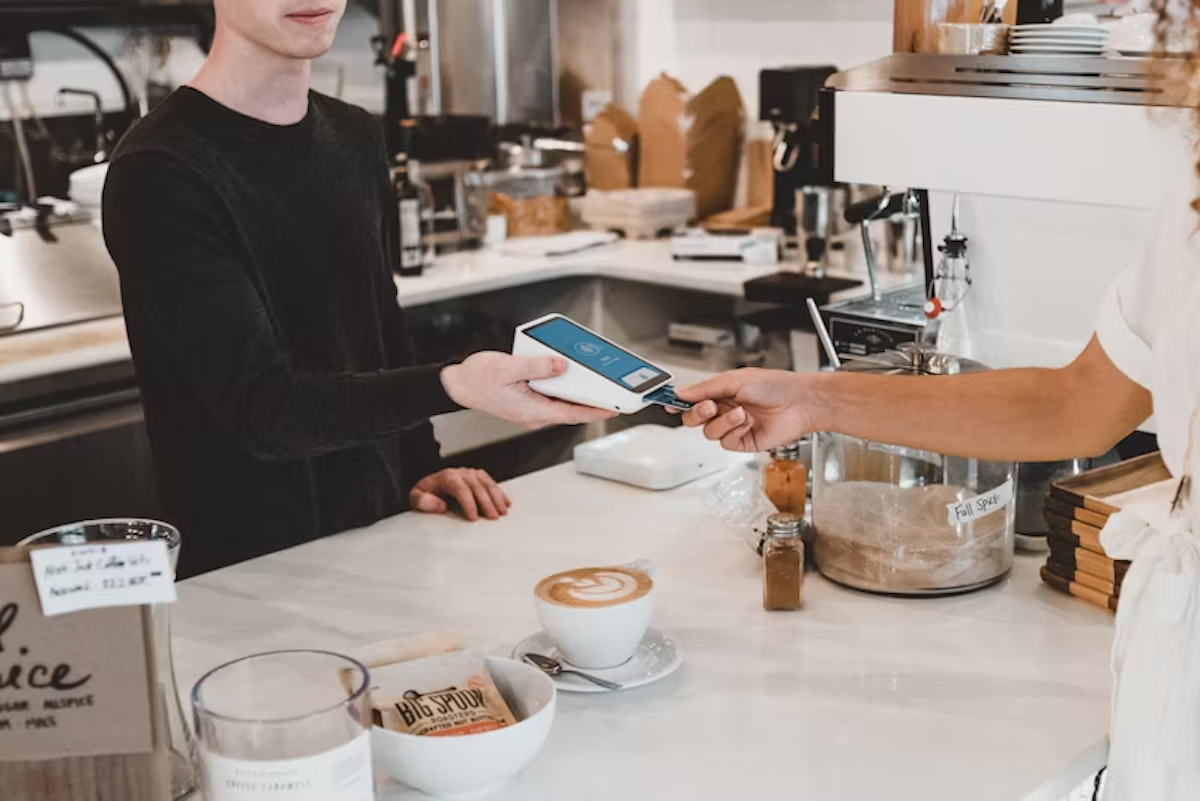
Hospitality payment solutions influence speed of service, trust, and whether guests come back. From full-service restaurants to resorts running multiple revenue centers, payment decisions now affect more than transactions, touching operations, data security, and experience design.
This article breaks down what modern hospitality teams should expect from their payment stack, starting with the fundamentals of secure payments.
5 Facts About Secure Payments in Hospitality
These five facts highlight what secure payments look like in practice across hospitality operations:
- Secure payments protect card data and improve trust. In hospitality, a single breach can damage guest confidence fast. Secure payments help safeguard customer information while reinforcing confidence at checkout, whether guests pay at the table, online, or across multiple touchpoints.
- Tokenization and encryption are essential security features. Modern hospitality payment solutions rely on tokenization and encryption to replace sensitive card data with secure substitutes. This approach reduces exposure during transactions and limits risk by preventing system compromise.
- Compliance is necessary to protect operations and reduce risk. Payment Card Industry (PCI)-compliant payment solutions help hospitality businesses meet industry standards while reducing liability. The right setup minimizes compliance scope and lowers the operational burden on information technology (IT) and finance teams.
- Security plays a direct role in repeat business. Guests may not see your security layers, but they feel the outcome. Smooth, secure payments build confidence, reduce disputes, and encourage repeat business, especially in hotels and restaurants handling frequent or high-value transactions.
- Strong security lowers financial and operational risk. Secure payment solutions help reduce chargebacks, fraud, and costly data breaches. Over time, that protection translates into fewer disruptions, steadier revenue, and less time spent fixing avoidable issues.
Payment Processing and Technology
Payment processing sits at the center of modern hospitality operations. When it works well, it removes friction for staff and guests. When it doesn’t, inefficiencies surface quickly. Today’s hospitality payment processing tools can handle volume, complexity, and speed without adding operational drag.
Integrated payment platforms connect payments across systems, including the property management system, which reduces manual steps and minimizes errors during checkout and reconciliation. That level of connection is key in environments managing multiple revenue streams, locations, or service formats.
Technology also plays a role beyond authorization. Payment processing solutions increasingly provide operational insights that help teams spot trends, monitor performance, and adjust in real time without digging through disconnected reports.
Mobile and contactless payments continue to raise guest expectations, especially in fast-moving restaurant and hotel environments. Flexibility is important, but simplicity still wins. The strongest hospitality payment platforms support a range of payment types while keeping workflows consistent, reliable, and easy for teams to manage.
Point of Sale Systems
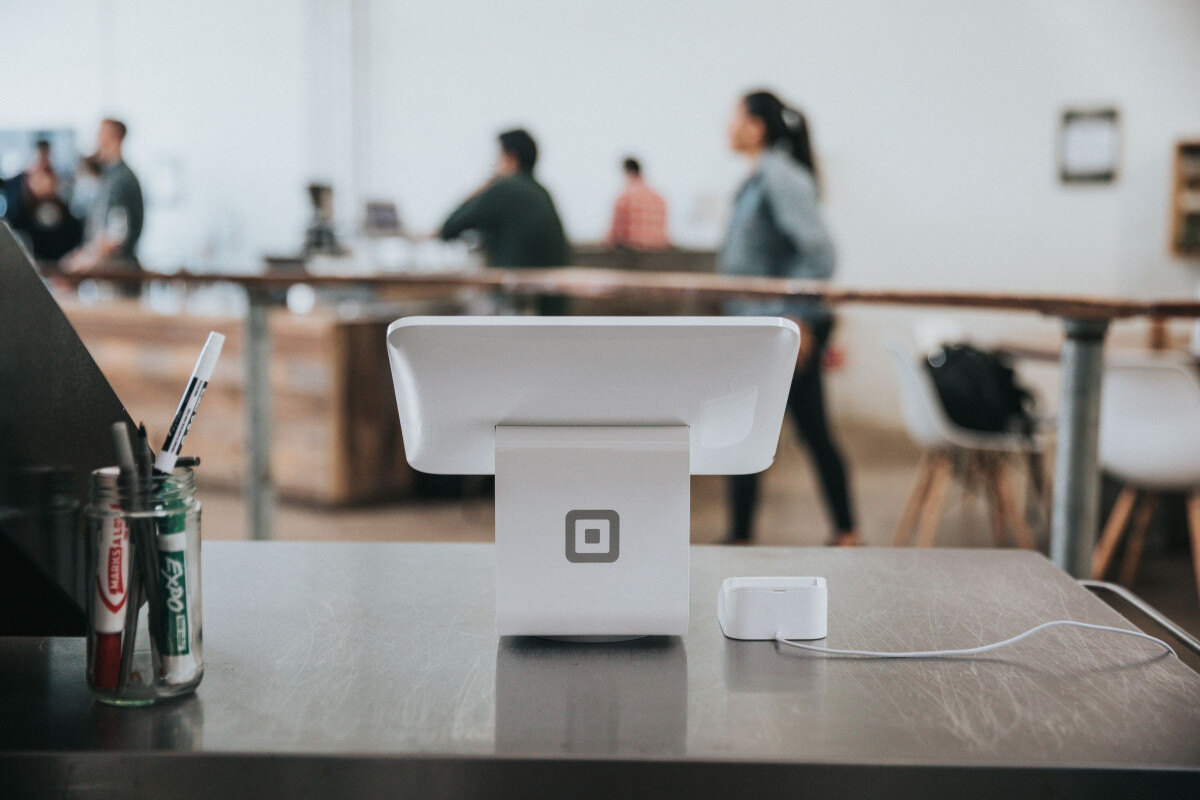
Point-of-sale (POS) systems play a central role in hospitality operations, bringing transactions, staff workflows, and service moments into one controlled environment. In restaurants and hotels, reliability matters as much as speed, so a POS needs to hold up during busy service windows.
When POS systems integrate cleanly with payment processing solutions, teams spend less time correcting errors and more time focused on service. Orders flow through correctly, payments post accurately, and handoffs between front-of-house and back-of-house remain consistent.
Modern POS platforms also support day-to-day operational needs beyond checkout. Inventory visibility, menu updates, and basic reporting tools help managers make informed adjustments without jumping between systems.
Together, these capabilities reduce manual work. Fewer keying errors, clearer workflows, and consistent processes translate into smoother shifts, stronger service delivery, and more dependable revenue capture across hospitality operations.
How the Guest Experience and Payments Overlap
For guests, the payment experience is often the final interaction they have with your brand. When it feels smooth and intuitive, it reinforces everything that came before. When it doesn’t, even strong service can lose its impact.
Convenient, secure payment options help remove friction at checkout, no matter how guests are paying. That flexibility only works when the process stays simple. Guests want choices without confusion or extra steps.
Clear communication also shapes the experience. Transparent pricing, visible payment options, and straightforward receipts reduce hesitation and build confidence. Guests should never have to ask how to pay or wonder what happens next.
When payments align with guest expectations, they boost customer satisfaction and loyalty. The process feels natural, the interaction ends on a positive note, and your guests are more likely to return.
Reporting and Analytics Tools
Payments generate a steady stream of data, but its value depends on how clearly teams can access and interpret it. Reporting and analytics tools give hospitality businesses visibility into what’s happening across locations, channels, and service types without relying on manual workarounds.
When the payment platform includes built‑in reporting, teams can track transaction volumes, spot anomalies, and understand how payments move through the business quickly. This visibility pinpoints patterns that might otherwise go unnoticed, for instance, peak payment times or recurring issues that slow reconciliation.
Analytics also support better operational decisions. Clear, consistent data makes it easier to forecast demand, adjust staffing, and evaluate performance across sites or revenue centers. Instead of reacting after the fact, teams can respond in near real time.
Over time, strong reporting reduces errors and supports better service. Fewer surprises, clearer insights, and more confident decisions create a smoother experience for both staff and guests.
Frequently Asked Questions About Hospitality Payment Solutions
The following FAQs provide additional context around payments and operations in hospitality.
What's the biggest expense in the hospitality industry?
Labor is typically the biggest expense in hospitality. It’s driven by staffing needs, wages, benefits, training, and the demands of maintaining consistent service quality.
What are the four types of hospitality services?
The four main hospitality service types are lodging, food and beverage, travel and tourism, and events. They cover most guest-facing experiences across the industry.
What are the 7 pillars of hospitality?
The seven pillars of hospitality typically include service, safety, cleanliness, consistency, communication, comfort, and responsiveness. These pillars all work together to shape reliable, guest-first experiences.
What's the most popular alternative payment method?
Mobile wallets like Apple Pay and Google Pay are the most popular alternative payment methods. They offer fast, contactless payments that align with guest expectations across restaurants, hotels, and online hospitality services.
Dynamic Currency Conversion for Modern Hospitality
For hospitality businesses serving international guests, dynamic currency conversion is a practical way to close the payment experience on a strong note. Guests can pay in their local currency, keeping checkout seamless.
For operators, it supports smoother transactions, fewer payment questions, and an additional opportunity to protect revenue across borders. As travel rebounds and guest expectations rise, small payment details like this can make a big difference.
To explore how payment resilience fits into a broader strategy, the Paytronix Economic Resilience Toolkit offers practical guidance for hospitality teams planning ahead.

 Julia Bigwood


 Michelle Casey : Sep 30, 2024