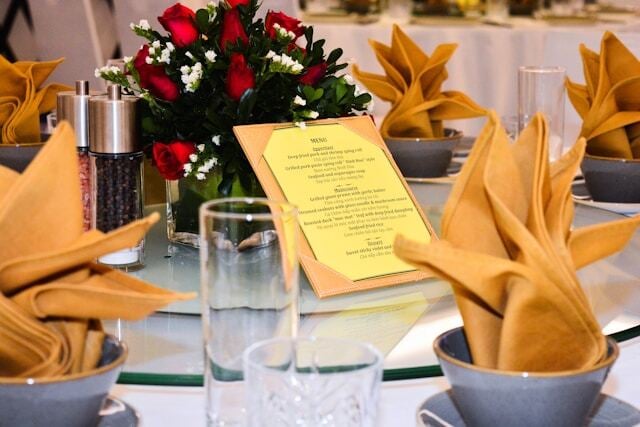
TL;DR: A restaurant menu should do more than list dishes, it should help guests decide what to order while protecting your margins. Effective menu making combines a clear concept, focused item selection, accurate food costing, persuasive descriptions, strategic layout, menu engineering, and a digital version built to drive larger orders.
-
Why it matters: Small menu decisions can have a measurable financial impact. Structured menu making can create a 4–8 percentage-point gross margin advantage, while brand-controlled digital menus can generate 15–20% higher average tickets.
-
Who this is for: Restaurant owners, chefs, and managers building a new menu or improving an existing one.
-
Who can skip this: Operators looking only for graphic design or menu template recommendations rather than menu strategy.
-
What you’ll walk away with: A seven-step framework for choosing the right dishes, setting profitable prices, writing descriptions that sell, designing for easier decisions, analyzing item performance, and translating the experience to digital ordering.
-
Most common next step: Review your current menu using POS sales and margin data, then identify which items should be featured, repriced, repositioned, or removed before redesigning it.
A poorly designed menu can cost your restaurant money with every service. When prices fail to reflect food costs, low-margin dishes receive prime placement, or profitable add-ons are easy to overlook, even a busy dining room can leave revenue on the table.
A more structured approach to menu making can contribute to a 4–8 percentage-point gross margin advantage, making the menu an important financial tool rather than simply a list of what your kitchen serves.
For restaurant owners, chefs, and managers, that means considering what you sell, what each dish costs, where items appear, how they are described, and how guests make decisions.
Whether you are opening a restaurant or improving an existing menu, the goal is the same: to build a menu that fits your concept, works for your kitchen, appeals to your guests, and gives your most profitable items a better chance of selling.
What Is Menu Making, Really?
Menu making is the strategic process of deciding what to sell, how to price and describe each dish, and how to present those choices to your guests. It brings together food costs, profitability, customer preferences, menu design, and your restaurant’s brand to create an experience that works for both your diners and your bottom line.
It is also an ongoing operational discipline, not something you finish once and forget complete once and leave unchanged. As ingredient costs, seasonal availability, food trends, and guest preferences change, you should revisit your menu to keep dishes relevant, control waste, and ensure that the items you feature still make financial sense.
Step 1: Define Your Menu's Purpose and Positioning
A strong menu starts with a clear idea of who your restaurant serves and what you want the concept to represent. Before choosing individual dishes, define your cuisine, price tier, service model, and target guest so that every menu decision supports a consistent restaurant identity.
Your cuisine and concept should determine which dishes earn a place on the menu. If your restaurant positions itself around modern Italian food, for example, each item should reinforce that identity rather than being added simply to appeal to everyone.
Prioritizing quality over quantity can create a more focused menu and make your concept easier for guests to understand.
Next, establish your price tier and average ticket target. Consider what comparable restaurants in your local market charge, what your ideal guests are comfortable spending, and the average check you need to support your costs and profitability goals.
This gives you a practical pricing framework before you begin costing individual dishes.
Your service model also influences how guests interact with the menu. Quick-service restaurant (QSR) and fast-casual menus generally benefit from fewer choices and straightforward descriptions that support faster decisions, while a full-service or fine-dining restaurants have more room for detailed descriptions and storytelling.
Finally, build around your target guest rather than an imaginary “everyone.” Think about what your ideal customers typically order, how much they value factors such as ingredient quality or dietary options, and what influences their decisions.
Those answers should shape everything from the dishes and prices you choose to the language and layout you use throughout the menu.
Step 2: Select and Narrow Your Menu Items
More choice does not automatically make a restaurant menu more appealing. Most restaurants begin with too many ideas, so the real work is narrowing the list until every dish earns its place through strong demand, healthy margins, or a clear role in within your concept.
Aim for roughly 7 ± 2 items per category. Too many similar choices can slow decision-making and create unnecessary complexity, while too few may leave guests feeling restricted. Start with a longer list, then assess each dish based on expected sales volume and its contribution to profitability.
Ingredient overlap should factor into the final selection as well.
Using the same core ingredients across several dishes can simplify prep, improve inventory management, and reduce food waste without making the menu feel repetitive. A roasted vegetable, sauce, or protein, for example, might work across an entrée, side, and appetizer as long as each dish still feels distinct.
Once you have narrowed the selection, identify your hero items: dishes that guests enjoy and that deliver a strong margin. These deserve greater visibility because they combine guest appeal with strong profitability.
Step 3: Calculate Food Cost and Set Profitable Prices
Pricing should begin with what each dish actually costs you the restaurant to serve, not with what simply looks reasonable on a menu. Calculate the ingredient cost per portion using actual quantities and account for yield loss from trimming, cooking, or preparation so that your recipe costing reflects what is ultimately served.
For many restaurant concepts, a useful target is a 25–35% food cost percentage, although the right figure varies by item and concept. Beverages may carry a lower food cost percentage, while protein-heavy dishes often run higher.
Once you know the cost, set a price that protects your margin while remaining realistic for your concept and local market.
Competitive benchmarking adds an important reality check. Charging substantially more than comparable restaurants without a clear difference in value can discourage guests, but pricing too low can erode margins even when an item sells well.
A structured approach to menu planning and pricing can help restaurants protect margins while remaining competitive.
Finally, treat pricing as something you review rather than set permanently. Check food costs and menu prices at least quarterly, especially when ingredient prices are volatile, because increases left unaddressed can compound over 12–18 months and quietly reduce the profitability of otherwise successful dishes.
Step 4: Write Menu Descriptions That Sell
The right description can make a familiar dish feel far more compelling. In fact, descriptively named menu items can see a 27% increase in order frequency, showing that the words surrounding a dish can influence what guests choose.
Focus on details that help guests picture what they are about to eat. Preparation terms such as “slow-braised,” “wood-fired,” “house-made,” or “cold-pressed” communicate technique, while provenance cues such as “local farm,” “heirloom tomatoes,” or “single-origin” can signal ingredient quality. Consider using AI tools to help brainstorm menu ideas.
Sensory details and storytelling can add appeal when they reveal something meaningful about the dish rather than simply making the description longer. Keep most descriptions to around 10–20 words, giving guests enough information to understand the dish without slowing down their decision-making.
Skip generic praise such as “delicious” or “amazing” in favor of specific details about flavor, texture, ingredients, origin, or preparation, a detailed description can even support a dish price up to $6 higher. Specific descriptions can also help communicate the value behind a dish's price.
The goal is restraint as much as persuasion. “House-made ricotta, charred tomatoes, basil oil, and wood-fired sourdough” tells the guest more than a string of exaggerated adjectives would, while still being quick to scan.
Step 5: Design the Menu Layout for Maximum Sales Impact
Menu design should make choosing a dish feel effortless while strategically directing attention toward the items you most want to sell. Create a clear visual hierarchy with readable fonts, logical sections, and enough white space for guests to scan the menu without feeling overwhelmed.
Placement matters, particularly for high-margin dishes. On a physical menu, use visual hierarchy and placement to draw attention to priority dishes.
Digital menus can give profitable items greater visibility by placing them prominently within relevant categories. Organize dishes naturally by course, daypart, or category so guests can quickly find what they want.
Photography can provide another visual cue when used selectively. Menu items accompanied by food photography can see a 30% increase in order frequency, so reserve strong images for dishes that are both visually appealing and financially valuable rather than photographing everything.
Finally, give the design room to breathe. Crowded pages, competing typefaces, and excessive visual elements can make even a strong menu difficult to navigate, while clean spacing supports readability and can create a more premium feel.
The finished design should also reflect your restaurant’s brand and ambiance, so the menu feels like a natural extension of the dining experience.
Step 6: Apply Menu Engineering to Optimize Performance
Once your menu is live, sales data can tell you which dishes deserve more attention and which ones are underperforming financially. Menu engineering uses point-of-sale (POS) sales data alongside each item’s contribution margin to classify dishes into four groups:
-
Stars combine high popularity with high margins, making them the strongest performers on your menu. Protect these dishes, give them prominent placement, and avoid unnecessary discounting that reduces the profit they already generate.
-
Plow Horses sell well but deliver lower margins. Instead of removing a dish your guests clearly enjoy, look for measured ways to improve its economics, such as a modest price increase, better portion control, or lower ingredient costs without compromising quality.
-
Puzzles offer attractive margins but do not sell frequently enough. Test whether stronger placement, more specific menu descriptions, or high-quality photography can draw more attention to them before deciding whether further changes are needed.
-
Dogs have both low popularity and low margins. Unless a Dog serves an important strategic purpose, such as meeting a specific dietary need, removing it can simplify your menu, reduce operational complexity, and make room for stronger items.
Menu engineering should be repeated regularly rather than treated as a one-time analysis. As sales patterns, food costs, seasons, and guest preferences change, reviewing these four categories helps you decide what to feature, reprice, reposition, or retire based on actual performance.
Step 7: Build Your Digital Menu Alongside Your Print Menu
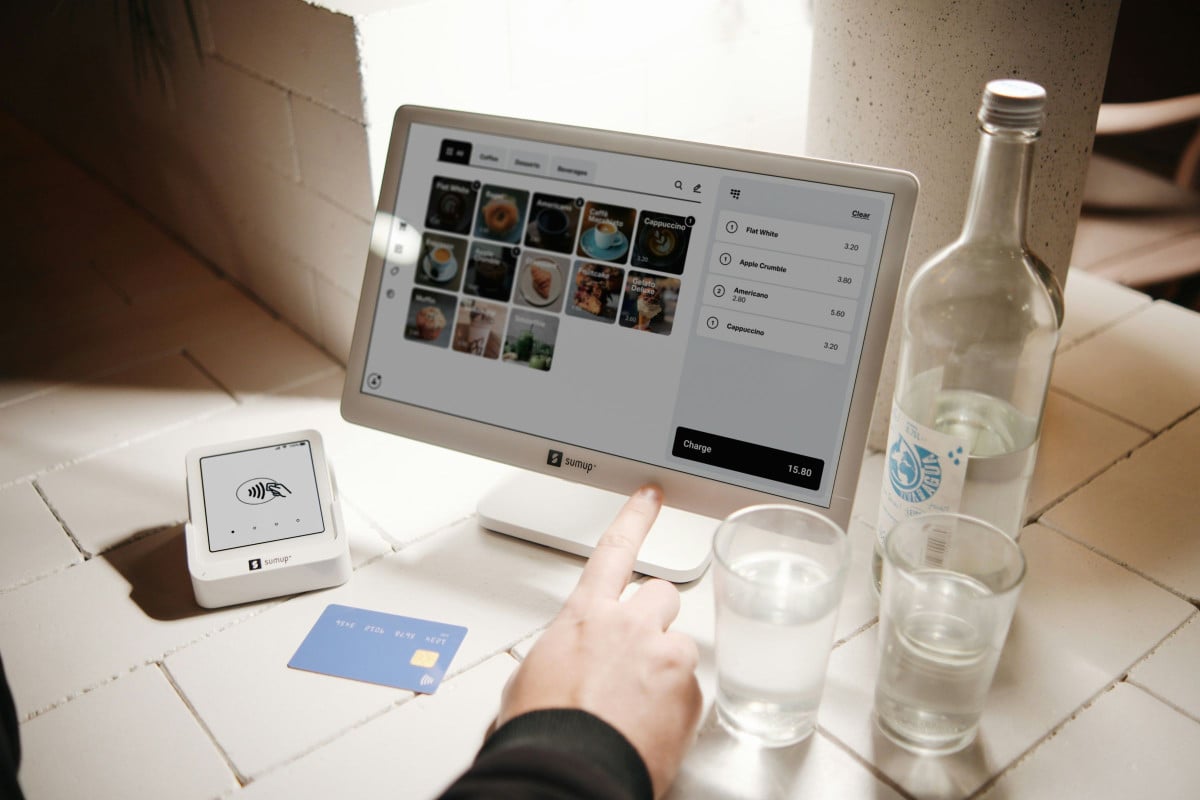
Your digital menu deserves the same attention as the one guests use in your restaurant. As more orders happen through restaurant apps, websites, and other digital channels, menu making needs to account for how quickly customers can browse, customize, and complete an order on a screen.
There is also a revenue case for getting that experience right. Brand-controlled digital menus can generate 15–20% higher average tickets, making your digital menu an important part of both the guest experience and your sales strategy.
Clear categories, profitable item placement, relevant add-ons, and easy customization can all help increase order value.
Digital menus also give you flexibility that print cannot. QR codes and digital platforms allow restaurants to update prices, descriptions, seasonal dishes, and availability without reprinting menus, making it easier to respond to changing ingredient costs, guest preferences, and seasonal promotions.
Keep the digital experience consistent with your restaurant’s branding, while designing it specifically for mobile readability and fast decision-making.
Most importantly, do not treat the digital menu as a direct copy of your printed one. Your online ordering system should make profitable items easy to discover and create natural opportunities for upselling sides, drinks, modifiers, and add-ons throughout the ordering journey.
Frequently Asked Questions About Menu Making
How Do I Make a Menu for My Restaurant?
Start by defining your restaurant’s positioning and the guests you want the menu to serve. From there, narrow your menu items, calculate food costs and profitable prices, write appealing descriptions, design an easy-to-scan layout, use menu engineering to evaluate performance, and build a digital version that supports online ordering.
How Many Items Should a Restaurant Menu Have?
Aim for roughly 7 ± 2 items per category to give guests enough variety without creating choice overload. In many cases, a focused menu of around 20–40 items is easier for guests to navigate and for your kitchen to execute efficiently than a much larger 80-item menu.
How Often Should I Rebuild My Restaurant Menu?
Review your menu pricing quarterly and consider broader menu updates as needed based on performance, seasonality, and cost changes. Before changing dishes, use point-of-sale (POS) data and diner feedback to see what is actually selling, then adjust for profitability, seasonal ingredients, evolving food trends, and changing guest preferences.
Build a Menu, Then Build the Platform That Sells It
A profitable menu is only the beginning; the next step is making sure every dish can generate more value across your digital channels. The next step is ensuring that your digital channels support the same pricing, positioning, loyalty, and merchandising strategy.
With brand-controlled digital menus associated with 15–20% higher average tickets, connecting thoughtful menu making with digital ordering and loyalty can create additional opportunities to encourage add-ons, personalize offers, and turn first-time orders into repeat visits.
Request a Paytronix demo to see how an integrated digital ordering and loyalty experience can help generate more value from the menu you have worked hard to build.

 Julia Bigwood


 Kristin Lynch : Jul 16, 2025