QDOBA, a long-time Paytronix customer, has a highly successful restaurant loyalty program, and part of that success is realizing the full value of an agile technology platform.
When the fast-casual Mexican restaurant wanted to better understand how active and lapsed loyalty members felt about their interactions with the brand, their team—along with the Paytronix Data Insights team—surveyed QDOBA customers and analyzed their data.
The two teams discovered QDOBA’s guests loved both the free food rewards, but they wanted rewards to be easier and quicker to redeem. Paytronix helped QDOBA roll out a more attractive rewards program and a simpler redemption process.
Strong restaurant loyalty programs—those that continually offer customers the right rewards and a personal, intuitive experience—build stronger customer relationships, drive repeat business, and increase sales. In 2022, for example, active loyalty members boasted a 5% increase in check size as compared to non-loyalty members, according to the Paytronix 2023 Loyalty Report. By using an effective technology platform, QDOBA can tweak and enhance its restaurant loyalty program to keep customers satisfied. That’s vital to the long-term success of their program.
But what if you’re just getting started? How do restaurant loyalty programs work? And what should you be looking for as you begin your journey to find the right technology platform? Here are the three foundational components of the most successful programs.
Get Clear on Your Loyalty Program Benefits
In simple terms, restaurant loyalty programs provide benefits based on guest purchasing behavior like discounts, free items, and exclusive access to new offers. Point redemption types vary based on what the restaurant offers and may be as soon as a customer signs up or completes an action (i.e., taking a survey), or after several visits. Some restaurants offer a freebie, such as an appetizer, just for signing up. Others want you to reach a certain amount of restaurant points to receive a free menu item.
QDOBA is a great example again, since they reward one point for every dollar spent. Once you reach 125 points, you get a free entree. The promise of a free meal or other item keeps people coming back—and when they get the free meal, it makes them happy and likelier to repeat the process.
These ongoing purchases can increase your revenue and profitability, and boost overall customer lifetime value (CLV). Since 2020, for example, Paytronix results have consistently found that the top 10% of loyalty customers make up large percentages and, in some cases, majorities of loyalty revenue and often spend two to three times more than the average customer. (2023 Loyalty Report)
Use dining rewards to incentivize visits
At the heart of all great restaurant loyalty programs is getting customers to visit more often. Dining rewards—which you grant to loyalty members every time they spend money in your restaurant—are a huge incentive to choose your restaurant over the thousands of other options.
Dining rewards can be redeemable for free items like a customer favorite, discounts, or early access to new products. Other incentives include birthday rewards or tiered dining rewards programs that offer more or better benefits as a customer moves up a tier.
For example, as soon as a customer signs up for QDOBA rewards they are given “Foodie” status, which awards one point for each dollar spent, plus a free entree at 125 points and free chips and Queso on birthdays. With 12 or more visits per year, customers achieve “Chef” status, which confers all the benefits of Foodie status, plus a $2 signature, three-cheese Queso and chips, surprise mystery offers, and a free birthday entree.
Restaurant Customer Segmentation
Once again, dining rewards are great for boosting customer satisfaction, retention, and CLV. But here’s where the type of platform you choose comes into play in a big way: You need the ability to segment your customer base so you can provide the type of dining rewards customers want.
A points-based system might appeal to brand loyalists who stop by weekly or even daily—think Starbucks—whereas a tier-based system would appeal to people who are more likely to visit only once a month.
Having the capability to not just segment customers, but to also segment them by behavior patterns, is key to delivering the dining rewards and offers they’re most likely to want.
A solid restaurant loyalty program is always built on data—and equally important is the ability to harness that data to glean insights on visitor behavior. A loyalty app is an effective way to capture that data.
It turns out that customers want to access their restaurant loyalty programs through an app. According to NRN's previous State of the Restaurant Industry report, 60% of current loyalty program members prefer to access programs through a smartphone loyalty app.
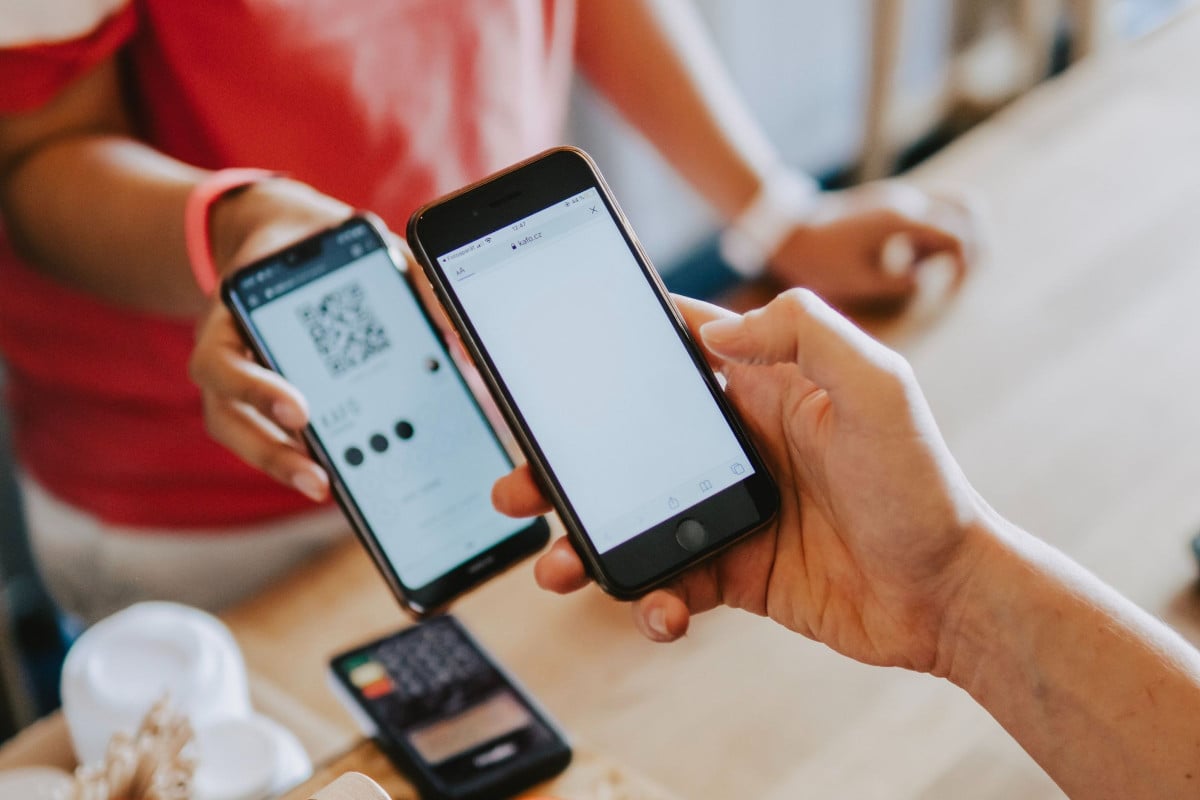
A well-designed loyalty app makes the process less onerous for customers, enabling them to easily access their accounts, order online, track their dining rewards and restaurant points, and redeem items they’ve earned.
Plus, the moment they sign up for your restaurant loyalty program, the app begins capturing data about them. Every time they use the app afterward, you'll have more insight on when they visit and how often, whether they dine alone or with others, and menu items they frequent.
These behavioral insights enable you to create unique profiles of your customers, so you can first segment them, and then deliver tailored personalized promotions. According to Mckinsey & Company, 72% of customers say they expect businesses they buy from to recognize them as individuals and know their interests, and 78% are more likely to repeat purchases from brands that personalize offers
You’ll even get insight into microtrends that you can capitalize on. For example, you could easily see an uptick in lemonade orders as summer approaches so you could expand your flavors to entice customers.
With a loyalty app, you offer them a frictionless user experience while gaining the information you need to deliver highly targeted future marketing campaigns that are more likely to convert customers. Having the insights that empower you to send personal, targeted real-time messages that leverage customer behavior data can increase your 1:1 messaging effectiveness by as much as 500%.
Launch a restaurant loyalty app
If you’re ready to take the next step in creating your loyalty program, download this step-by-step guide for tips on choosing the right loyalty program for your business. And if you want to see firsthand how Paytronix is helping restaurants increase visits, spend per visit, and value-per-customer, schedule a demo now.

 Michelle Casey



 Kristin Lynch : Sep 17, 2024