When schedules are set using effective workforce management tools, it:
This is extra true in restaurants.
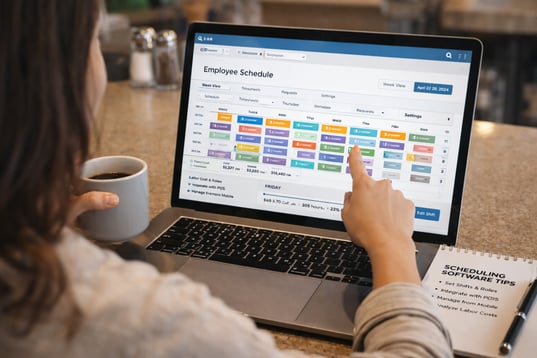
Picking the right staff scheduling software is a must. It can help solve:
The Restaurant Technology Landscape 2024 report says that 37% of operators plan to use automated labor management and scheduling systems. This article guides you through using these systems.
5 Restaurant Scheduling Software Features
The restaurant industry is going digital.
Staff scheduling software is one of those tools. It helps:
Five features of this software include:
1. Shift Swapping
This allows workers to trade shifts. This reduces scheduling problems.
2. Mobile Access
Your entire team can see the schedule with a mobile app. Workers can:
-
Check their shifts
-
Submit time off requests
-
Swap shifts
3. Updates
Your team will get updates about:
-
Schedule changes
-
Shift updates
-
Important announcements
This keeps your team informed.
4. Connecting with Payroll Systems
Connecting to your payroll system makes sure that the hours worked by each worker are automatically transferred for payroll.
5. Labor Cost
The software can use data to help managers schedule the right number of staff for each shift.
Other Restaurant Software
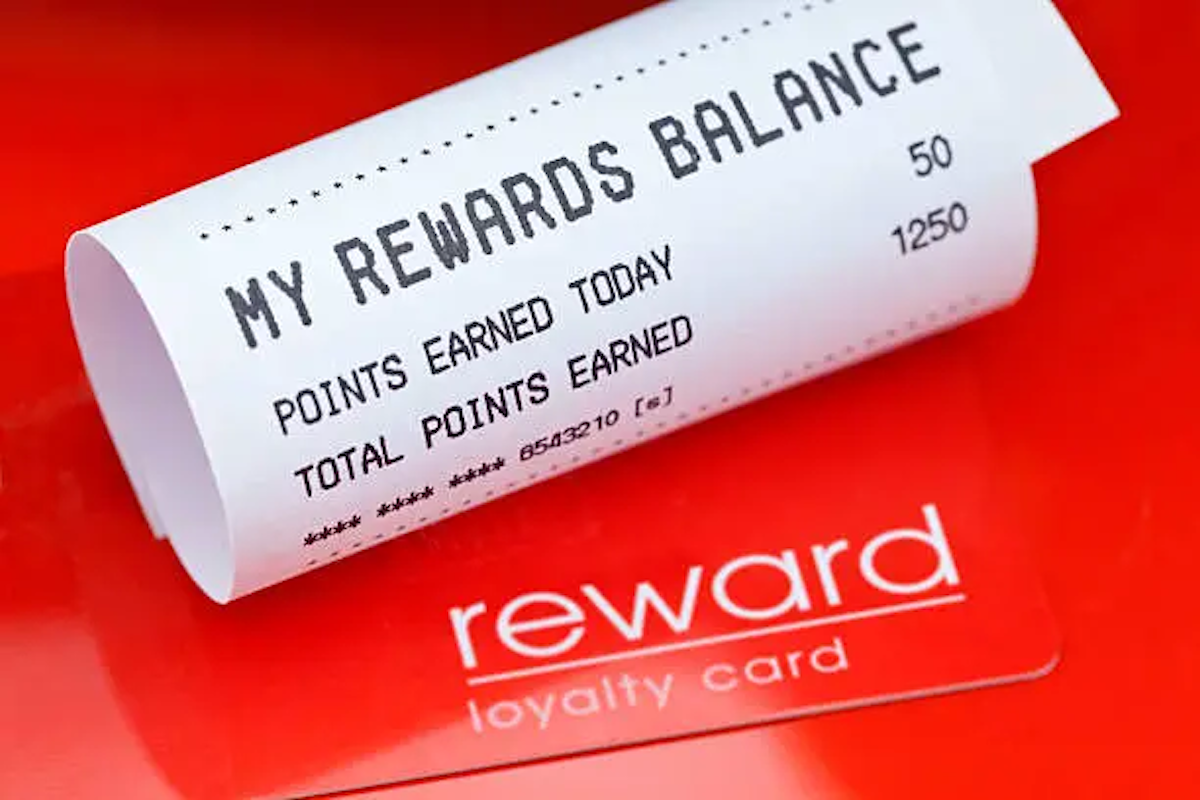
In addition to staff scheduling software, many restaurants are using other system. Catering software helps manage large orders. Loyalty programs improve customer retention by offering rewards.
Restaurant delivery software makes for better deliveries, and restaurant marketing software helps:
Many tools also help with task management. Using software lets your team schedule staff for a busy weekend by checking peak hours and worker availability.
The tool also helps keep the labor budget in check by telling you which shift to cut.
The Evolution of Employee Scheduling Solution Software
Restaurants have changed a lot in the last few years. With increased challenges, businesses needed to find solutions.
In the past, restaurant managers used pen-and-paper methods or basic tools to schedule. As tech advanced, software was built that made the process easier.
Today, the best restaurant scheduling software is a must-have for:
3 Scheduling Challenges
These features of restaurant scheduling software can address these challenges:
- Restaurant Worker Turnover: It depends on location. In cities, there is often higher turnover. In small towns, turnover may be lower. With features like shift swapping, restaurant staff software helps workers know their schedules and adjust.
- Too Much Staff: A restaurant manager often has problems scheduling during slow times. Scheduling software can look at sales data to predict slow periods so you'll know when to cut workers.
- Shift Changes: A restaurant might experience no-shows, leaving shifts with nobody to work. Updates on mobile devices lets managers tell the team of open shifts.
4 Benefits of Using Restaurant Employee Scheduling Software
Staff scheduling software can improve:
Here are four benefits:
- Control Labor Costs
- Improved Staff Morale
- Fewer Scheduling Errors
- Compliance with Labor Laws
3 Real-world Testimonials
Restaurant staff software tools have helped numerous businesses. Here are some insights from real users:
- Waffles and Jaffles in Australia stated, “We now have all our team on the same page through easily accessible forms, chat functions, and job scheduling. It allows us to create courses to upskill staff and onboard new staff in an easy manner.” — Connecteam
- Cheba Hut Toasted Subs in the United States affirmed, “Communicating with staff was super hard. [Now] communication is amazing. We chat there, and announcements are easy. I love the labor forecast and being able to duplicate the schedule.” — 7shifts
- Babbo Italian Eatery in Arizona mentioned, “When I Work is being used company-wide across multiple locations. It gives our staff a platform for covering their own shifts if they cannot work without having to share their personal information with people they don't know. This saves a ton of time when trying to find coverage for the restaurant.” — When I Work
To optimize your restaurant operations, it’s essential to consider the entire tech stack, from staff scheduling software to loyalty systems, delivery platforms, and marketing tools.
How to Choose the Right Restaurant Staff Software
When evaluating software options for your restaurant, consider these key criteria to ensure it fits your needs:
1. User-Friendly Tool
The software should be simple to use for both managers and staff. That's true of any software you onboard, including hospitality accounting software. A clean and intuitive interface helps reduce training time and minimizes mistakes, getting everyone up to speed quickly.
2. Customization Options
Look for software that lets you tailor your scheduling process. Features like shift scheduling templates, automated timing based on employee availability, and customizable reporting can make the system work exactly how your restaurant needs.
3. Customer Support
Choose a platform with reliable customer service. This includes live chat, phone support, or a comprehensive help center full of useful resources.
4. Pricing
Be sure to consider the overall value of the software. It’s not just about cost but also the features, scalability, and potential savings. Many platforms offer tiered pricing or subscription models, so take a close look at your budget and select what makes the most sense for your business.
5. Data Privacy & Security
Pick a platform that implements (and builds upon) industry-leading security standards. Since the software will manage sensitive employee information—such as hours worked, personal details, and shift patterns—it must comply with data protection laws like GDPR (General Data Protection Regulation) and similar local regulations.
6. Marketing Integration
Consider whether the software meshes well with your existing marketing plan. The ability to link with customer loyalty programs, promotional campaigns, or online ordering systems can help streamline your operations and maximize customer engagement, driving sales and satisfaction.
5 Implementation Preparation Steps
Implementation is key in nearly all processes, especially when it comes to tracking results and communication. The following five steps help you maximize the efficiency of the software for your business:
- Choose the Right Provider: Select a software provider that meets your restaurant’s needs. Consider factors like ease of use, integration capabilities, and support options.
- Set Objectives: Define what you want to achieve with the new software—whether it's saving time on scheduling, reducing labor costs, or improving team communication.
- Involve Your Team: Engage managers and restaurant workers in the decision-making and implementation process. Additionally, provide training to ensure your team understands how to use the software effectively—from creating schedules to handling shift changes.
- Monitor: After implementation, monitor how well the software is being adopted. Encourage feedback from staff, track usage, and adjust your processes as needed to ensure smooth operation.
- Make Adjustments as Needed: As your team becomes accustomed to the software, make necessary adjustments to optimize its use. This might involve tweaking schedules, refining integrations, or adding new features based on feedback.
3 Start-up Challenges and Their Solutions
While starting a restaurant staff scheduling tool has benefits, there are some challenges. Here are three common obstacles:
1. Start-up Issues
Problem: Connecting the new software with POS and payroll can be tricky.
Solution: Choose a software provider with good customer support and POS connection. Test the system before choosing it.
2. Poor Training
Problem: Without good training, staff won't understand how to use the software.
Solution: Offer training and extra learning materials.
3. No Feedback
Problem: Not tracking usage or getting feedback makes it so you can't improve.
Solution: Get feedback from staff. Check the system’s performance and make changes as needed.
3 Tips for Scheduling Software
Once you've chosen your scheduling software, here are three tips to get the most from it:
- Regular Training Updates
- Engage Staff with Apps
- Utilize Data Analytics for Improved Scheduling
The Future of Restaurant Staff Scheduling
New tech will keep you ahead of the competition. Restaurant tech trends like AI are already changing how restaurants are run.
Tech allows for smarter scheduling. AI looks at past data to understand staffing needs. It can also improve labor costs by changing schedules based on demand.
Taking the Next Step
Start by having goals for what you want the software help you with.
Research the tools available. Make sure the software you choose fits into your operations.
Once you’ve made your choice, you need to:
Want to learn more? Book a demo with our team.
Download our Online Ordering Guide to for a complete strategy.

 Michelle Casey




 Julia Bigwood : Apr 09, 2025