TL;DR: Restaurants with active social media strategies see an average revenue lift of 9.9%, but social-first brands see 14.1%. The gap comes down to a few strategies most restaurants haven’t adopted yet.
- Why it matters: Customer acquisition costs (CAC) are often high for restaurants; with social media, you can reach your ideal audience, make it easy to discover your business, and meet customers where they are.
- Who this is for: All restaurant types and operators.
- Who can skip this: Marketing managers who already have a comprehensive social media strategy in place.
- What you’ll walk away with: A guide to starting social media marketing for your restaurant, which tools to use, and how to measure key metrics.
- Best next step to take: Audit your current social media use and identify which steps you’re missing.
A big chunk of life happens in the digital world, which is why your restaurant’s social media presence can often matter more than your signature dish. Without customers stepping foot into your establishment, they won’t be able to taste what sets you apart in the first place. That means you’ll have to prove yourself long before they can feel the atmosphere and smell the aromas.
Social media marketing is your vehicle to achieving that. Yet, real strategy is required to make it work. Pretty pictures of your restaurant’s best dishes will certainly be eye-catching, but not enough to entice a long-term audience and provide real-world results.
Get it right, though, and restaurant social media marketing can have benefits that span increased visibility and customer engagement to brand loyalty. In this guide, we’ll show you how to master restaurant social media with a few major tips.
1. Understand Your Audience and Platform
Different social media platforms cater to different audiences and age groups. That’s the same idea with restaurants—a family-style eatery won’t offer the same finesse as a fine dining restaurant.
Therefore, it’s not worth spreading your efforts thin across multiple popular apps. Instead, you’ll want to unpack two main factors: the audience you’re targeting and the platforms they frequent.
If your target audience comprises mostly Baby Boomers, it’s pointless to focus your marketing on Snapchat and TikTok. That’s why you’ll want to learn more about each platform and who they cater to. Let’s take a look:
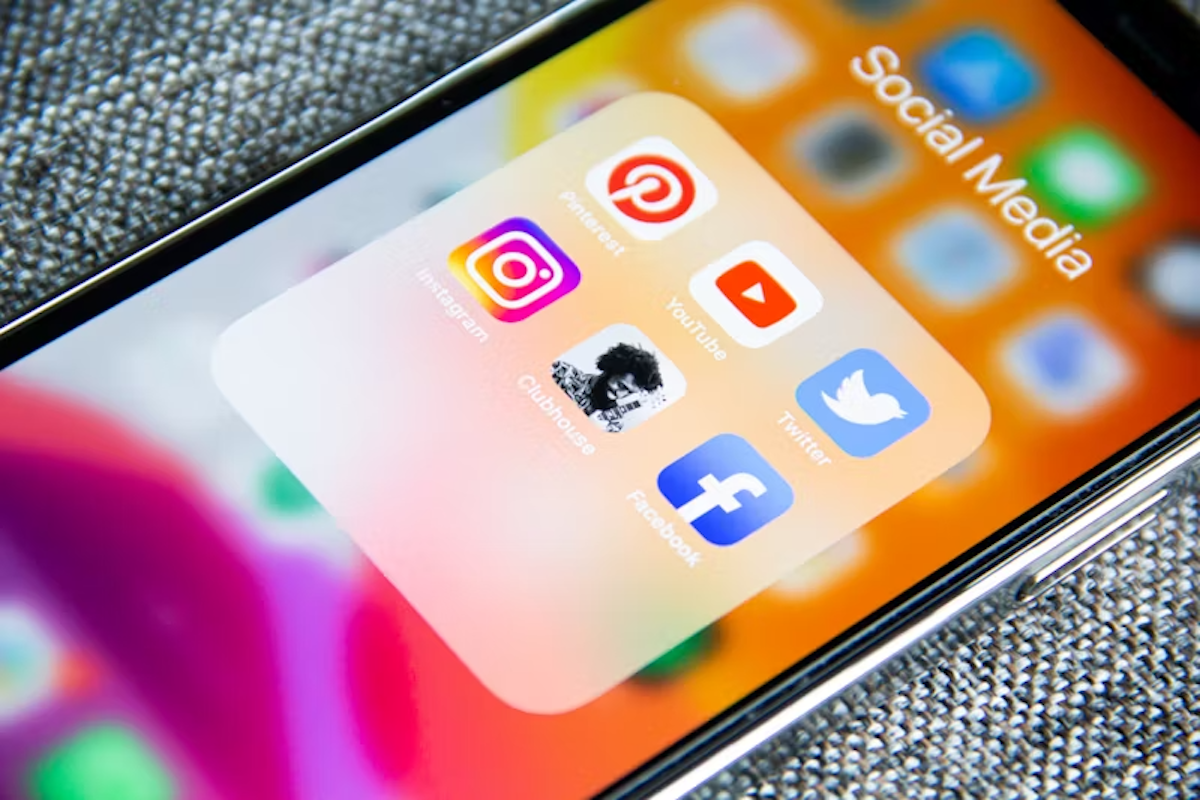
- Facebook: Great for reaching a broad audience, often in an older age bracket. Dedicated Facebook Pages and local targeting can help keep your restaurant top of mind.
- Instagram: A visual platform with a market for foodies who want to uncover your restaurant’s look and feel, dishes, and behind-the-scenes content. Ideal for (re-)posting user-generated content.
- X: Real-time updates and instant interactions with potential customers on the fly.
- TikTok: For fast-paced short videos that have the opportunity for viral reach. Popular among Gen Z and young millennials.
Once you have a strong idea of who your ideal diner is, you can figure out which social media channels are worth exploring. It can help to use analytics tools and built-in social media insights to explore demographic data and find out which platforms bring in results (engagement or traffic, in this case).
The rule of thumb is to focus on a select few platforms rather than trying to be everywhere all at once.
2. Create a Compelling Content Strategy
Now that you know where your audience spends time online, it’s time to think about your broader marketing plan. What kind of engaging content are you going to post? What features should you be taking advantage of? How will you make sure to engage with customers frequently?
Social media strategies for the restaurant industry differ from other sectors: hyperlocal content matters more, online reviews hold incredible weight, sensory appeal is important, and timeliness gets people in the door that day. Here’s a glimpse of some types of content you should post to align with these unique needs:
- Behind-the-Scenes Looks: When customers understand the passion behind the food, they’re more likely to form a connection with your restaurant. It’ll help foster customer loyalty and encourage repeat visits.
- Menu Highlights: Rather than snapping a picture of your new menu, promote specials using visual content to get people excited to try them.
- Customer Testimonials: Real reviews from real visits will help others get an unfiltered sense of what to expect with their own experience.
- User-Generated Content: User-generated content serves as social proof, which helps people build trust.
- Location-Driven Content: Engage with your local community by mentioning nearby events and collaborations, all while keeping your restaurant in the spotlight.
Maintaining a social media presence can be overwhelming, even if you work with just one or two platforms. Creating a content calendar and using tools like Buffer or Later to schedule posts can help you stay proactive and organized. These tools can give you deeper insights into the best times to post, so all your content is primed for maximum engagement.
3. Leverage High-Quality Visuals
While it’s important to provide details about your establishment, your restaurant’s social media profiles should be filled with high-quality content, particularly visuals. After all, we’re talking about food, which is a tactile, sensory experience.
Even though you can’t showcase these aspects online, your photos and videos should be able to convey elements like texture, flavor, and energy. Nail the visuals, and you’ll effortlessly attract and retain followers.
These best practices will help you find your footing:
- Take Stock of the Lighting: Natural light is key for food photography, but you can also invest in soft-box lights to provide an appealing glow in other environments.
- Angles Matter: Experiment with a variety of angles to present your food at its tastiest. Consider focusing on the most crave-worthy aspects of the dish, like the height of a burger or the freshness of a salad.
- Focus on Branding: Make sure your social media accounts reflect your restaurant through consistent branding. Using the same brand voice, colors, fonts, and graphic design styles can increase your brand awareness over time.
4. Engage With Your Audience
Social media sites aren’t just a place for you to share updates or boast about your restaurant, although it’s certainly important to do so. It’s also where you engage with your followers and fortify your relationship with them.
Aside from posting, you’ll need to reply to comments, “like” tagged social media posts, and answer direct messages, at the bare minimum. These seemingly small actions show people that your restaurant is active and cares about its community.
If you want to take engagement to the next level, try these effective tactics:
- Host Social Media Contests: Running contests on your business accounts will help boost visibility and bridge your social media presence on different platforms.
- Use Trending Hashtags: Creating your own hashtags or using trending ones can encourage people to use them in their own content and improve your reach.
- Use Live Videos: Live videos can attract viewers and get people talking, all while they get to meet staff, enjoy a cooking demo, or get a tour of the restaurant.
- Try Polls and Q&As: Fun polls to discreetly get feedback or Q&As to spark conversations with your followers can do wonders to humanize your brand.
As mentioned, user-generated content builds social proof, but it’s also a way to deepen connections, especially when a social media influencer with a large following shares their experience online. It’s authentic content, free from internal biases, making it feel more genuine and relatable. These endorsements are sure to draw new customers to your door.
5. Utilize Paid Social Media Advertising
Many social media marketing strategies are made up of two parts: organic advertising and running paid ads. While free methods like blog post linking and hashtags are useful, paid social ads allow for targeted reach.
That means a lot more control over who your messages are directed to and in front of online. For maximum ROI, you’ll want to blend targeted ads and naturally relevant posts to leverage each of their strengths.
There are two main paid social media options that work well for restaurants:
- Promoted Posts: Promoted posts essentially boost your organic posts with paid promotion. Invest some money, and your content will naturally show up on users' feeds that fit your target demographics.
- Targeted Ads: Pure paid ads that let you reach specific audiences based on age, location, behaviors, interests, and more.
These options sound lucrative, but it’s unlikely that your restaurant has an infinite budget to work with. That’s why, before you start spending on social platforms, you need to set up a budget specifically for social media advertising.
To do so, start with a test budget so you can figure out which ads perform the best. Then, monitor important metrics like impressions and conversions so you have hard data to back up your decisions. Having this marketing budget in place will help you maximize your investment and avoid overspending.
6. Measure and Analyze Social Media Performance
It’s tempting to create content, set up ads, and wait for the magic to happen. But being complacent is something you don’t want to do. Part of social media management is consistently measuring and analyzing your performance over time.
How are the paid ads doing on Facebook? Are your restaurant’s Instagram marketing efforts producing the results you were hoping for? Tracking these metrics almost feels like a full-time job, which is why many businesses choose to eventually hire a social media manager.
A dedicated manager will do everything from track ad performance, optimize content, engage with followers, and refine your efforts on an ongoing basis, relieving you of the task of constant monitoring and adjusting yourself.
Three notable tools include:
- Google Analytics: Tracks the performance of social media traffic that leads to your restaurant website and how they behave on your site.
- Sprout Social: A complete social media management app that features scheduling, analytics, and monitoring tools in one place.
- CoSchedule: Blends social media scheduling, content management, and analytics for full visibility of your campaigns.
Important metrics to look out for are:
- Conversion Rate: The percentage of people who “convert,” and do the desired action, like make a reservation or purchase a product.
- Click-Through Rate: How often users click on call-to-actions or links.
- Impressions: The number of people who viewed your content.
- Engagement Rate: Comments, shares, reactions, and likes.
All the data you collect is useful in some way, so be sure to use it to fine-tune your strategy, whether reworking your content or allocating more of your budget.
Case Studies and Success Stories
Plenty of restaurant social media success stories exist, from Wendy’s witty X (formerly Twitter) interactions to Chipotle’s storytelling about their ingredients. Let’s take a look at these examples in greater detail:
- Wendy’s: The fast food giant is known for its edgy X persona, where it roasts competitors, replies to commenters in a sassy way, and uses humor to build a following. These attention-grabbing interactions paved the way for other brands to embrace bolder marketing tactics and humanize their online presence.
- Chipotle: Chipotle is considered elevated fast food, thanks to their focus on transparent ingredient sourcing and sustainability efforts online. This narrative positions them as an authentic brand that aligns with a socially conscious audience.
From these case studies alone, we can gather that storytelling, personality, and active engagement go a long way.
What is the most effective social media marketing strategy for restaurants in 2026?
Short-form videos on Instagram, TikTok, Facebook, and YouTube are typically among the most effective marketing formats in 2026. Restaurants can reach a broad audience online, particularly through video content.
How much should a restaurant budget for social media marketing as a percentage of revenue?
Depending on your business stage, your overall marketing budget may account for 3% to 10% of gross revenue. New restaurants usually spend 8% to 10%, while established businesses spend 3% to 6%. A common allocation is 70/20/10, with 70% for core strategies, 20% for new ideas, and 10% for experimentation.
What types of social media content drive the most new customer visits for restaurants?
Food videos and appealing photos can help drive new visits. Videos on Instagram, TikTok, Facebook, and YouTube can reach broad audiences, while photos on Google Maps and social media platforms can help turn interest into restaurant visits.
How do restaurants convert social media followers into actual reservations and orders?
Strong calls to action and clear booking links are the easiest way to convert social media followers into reservations. Add “order food” buttons to your profiles and include ordering stickers when posting stories, Reels, or other content.
What is the difference between organic social media marketing and paid social advertising for restaurants?
Organic social media marketing involves unpaid content that can reach your followers and other users, while paid social advertising uses paid campaigns to target your preferred audience or demographic.
Upping Your Social Media Game
If you’ve been neglecting your restaurant’s social media or making do with a few generic posts and calling it a day, it’s time to change that. Social media marketing is non-negotiable in such a digitally driven society, as it provides the reach, engagement, and visibility that all restaurants need. When you choose the right platforms and create content that resonates, you could see a spike in customers through your door.
While you want to stick to what works, don’t be afraid to experiment and continue adjusting your approach. Need a little help getting started?
Book a demo with the Paytronix team to learn about our solutions like CRM and marketing automation. And while you’re at it, our 2025 Trend Predictions Report could give you the insights you need to stay ahead.

 Julia Bigwood


 Julia Bigwood : May 09, 2025