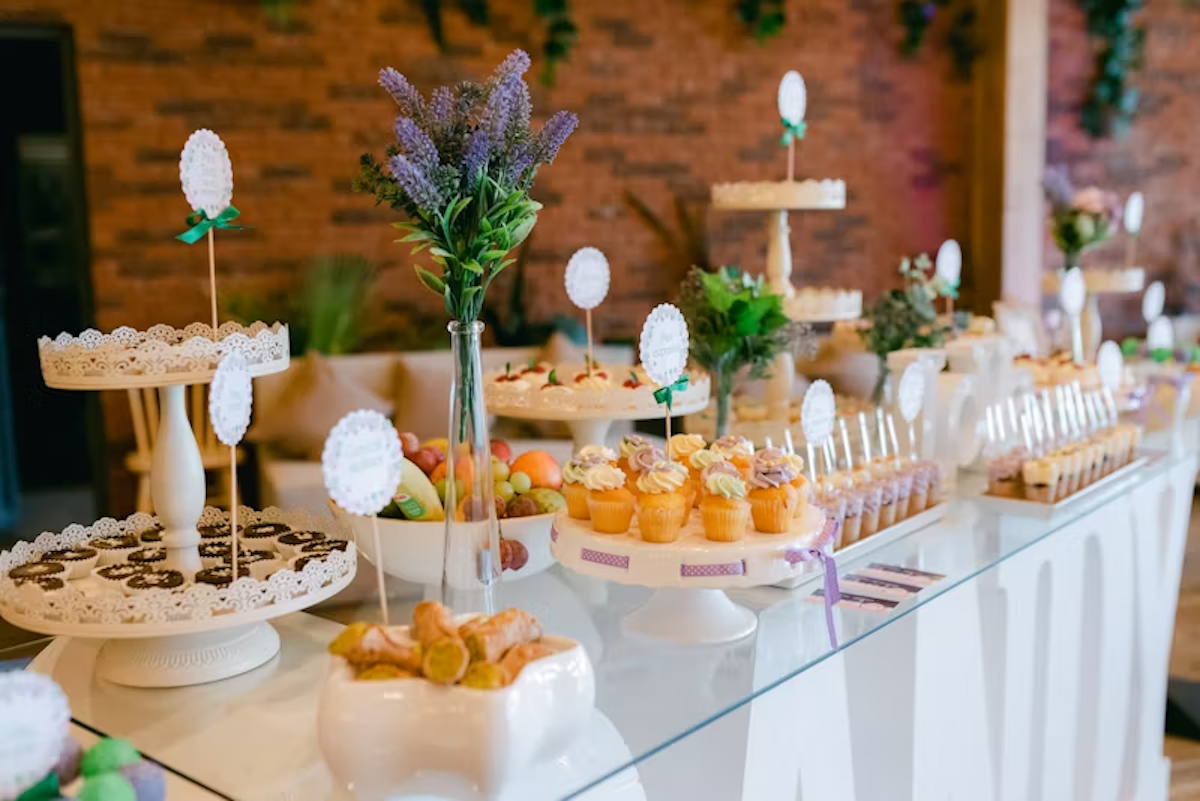
Staying ahead of hospitality industry trends and improving your hotel's catering services is how to:
Creativity now includes more personal features that match what customers want. New dining expectations are changing the catering industry.
In 2023, the catering market reached $14.8 billion in size (Statista). This article gives tips on:
Hotel Catering Trends Are Changing the Hospitality Industry
Today’s guests are mindful of:
-
Health
-
Sustainability
-
Meaningful experiences
Hotel catering is adapting with more personalized offerings. This includes:
Customers also want:
Other things to consider are:
-
Eco-friendly design
-
Green aesthetics
-
Sustainable decor
These decisions reflect a hotel’s commitment to innovation and wellness. They influence:
8 Hotel Catering Trends to Watch
Using these top trends in your catering business plan can:
1. Health-Focused Catering
Guests want custom menus that cater to dietary needs, such as:
-
Gluten-free
-
Keto
-
Plant-based
-
Allergen-free
These choices make every guest feel valued. Restaurants can use AI and data to:
2. Sustainable Catering
People want “real food.” That means local ingredients. Think about waste-reduction strategies, such as:
-
Portion control
-
Composting
-
Not using plastic
Partnerships with local farmers help with sustainability.
3. Interactive Dining
The traditional experience is a thing of the past. Today’s guests want:
-
Live cooking stations
-
Chef’s tables
-
Food stations
These setups introduce guests to global flavors in a fun way.
Another popular option is build-your-own-bars. Here, guests customize their own menus. These interactive setups:
4. High-End Beverage Offerings
Improving the beverage menu with craft cocktails is important. But also offer:
Tech helps with drink personalization. Hotels are using AI recommendations and digital ordering systems. This allows guests to try new flavors and pairings.
Remember, serving alcoholic beverages requires obtaining catering liquor licenses and following local laws.
5. Social Media Trends
Social media is a new focus. People want Instagram-worthy dishes. Examples include:
This has made influencer marketing more important.
6. Tech for Catering Services
AI is changing:
-
Menu curation
-
Meal prep
-
Guest interactions
QR-code ordering is becoming standard in many hotels. Data helps with inventory by predicting what guests want.
7. 24/7 Catering Services
Hotels are expanding room service and grab-and-go options with after-hours service. Think about the 24/7 catering model, where guests can order anything at any time of day.
Late-night snack bars are being introduced, giving guests access to food whenever they need it.
8. Themed Decor
Hotels are creating environments that match their restaurant catering menus. A hotel might design its dining space with green walls and hanging plants to showcase its farm-to-table concept.
This trend taps into the desire for sensory experiences where guests enjoy the theme that makes each meal memorable. They create an environment where the meal experience takes center stage.
How Hotels Can Set Up Catering for Profits & Guest Experience
To make catering profitable and improve guest satisfaction, it’s important to rethink strategies around:
The business plan that includes local dishes can be an advantage.
4 Tips for Creating Menus with Local Ingredients
Hotels can make local dishes to improve their brand identity. Here are four strategies:
1. Quality:
Focus on freshness by selecting ingredients at their peak. Seasonal produce and local meats offer better flavor and presentation. Using freshly picked berries in summer can make a dish feel more vibrant.
2. Sustainability:
Build relationships with:
-
Local farms
-
Fisheries
-
Artisans
Getting products from local people supports the community. Working with nearby farmers to get organic veggies strengthens your hotel's sustainability message and gives guests the best products.
3. Cost:
Lower catering food costs by using menus that focus on what’s available locally and in season. This helps control spending and boosts the quality of the dishes.
4. Using Local Sourcing:
Use local sourcing methods like rooftop gardens or herb walls. This adds a unique thing to your menu. Growing herbs on-site provides fresh ingredients and also boosts the guest experience.
Improving Catering Marketing
Marketing gets and keeps catering clients. Digital tools, loyalty programs, and social media content can help position your hotel catering as both a premium and personal experience. Highlight real events with videos and share them on social media.
Follow social media best practices:
Follow up with:
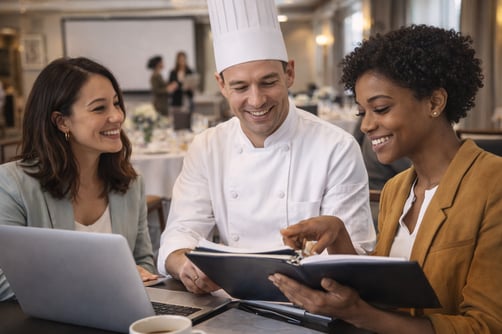
Partnering with Event Planners
Hotels are expanding their catering by working with event planners and corporate clients. This extends your reach and improves your hotel's image.
Offer catering packages for:
-
Weddings
-
Business conferences
-
Team retreats
Building long-term relationships means offering:
This shows that the hotel can provide experiences at every level.
Licenses and CRM Software
To support catering, hotels must be organized. Getting business licenses is required by law.
Also, catering CRM software helps:
-
Manage client data
-
Communication
-
Personalize interactions
These tools:
FAQs About Hotel Catering Trends
As hotel dining continues to evolve, catering has become central. Here are the answers to common questions.
What are three trends in today's hotel industry?
They include:
Guests want high-quality food and experiences that match their values.
What is the future of catering?
The future of catering is being:
-
Tech-ready
-
Guest-centric
-
Sustainability-minded
Expect more:
-
AI personalization
-
Zero-waste operations
-
Strong partnerships
Do catering companies make a lot of money?
Catering can make a lot of money, especially for hotels. Revenue often increases with:
How do I make my catering company stand out?
Focus on creating memorable catering. Beyond great food, offer interactive things like:
-
Live cooking stations
-
Themed decor
-
Local menus
Try these tips:
-
Use restaurant social media to show your events
-
Partner with local producers
-
Personalize offerings based on guest data
What is a good profit margin for a catering business?
Profit margins in catering are between 7% and 15%. Toast POS reminds managers to:
-
Reduce food waste
-
Optimizing inventory
-
Use technology
The Future of Hotel Catering
Hotels must meet guest expectations by boosting creativity with catering services. By staying ahead of the latest trends, hotels can stand out.
Improve hotel catering by:
This approach helps with:
Are you a hotel operator looking to improve your catering strategies? Book a demo to explore Paytronix catering solutions. Also, check out our Catering Guide.

 Kristin Lynch



 Kristin Lynch : Mar 03, 2025