The difference between packed tables and empty seats often comes down to marketing. Staying ahead means getting guests to buy.
Keeping up with the latest restaurant marketing trends is a must. This guide shows nine trends in restaurant marketing.
1. Going Digital
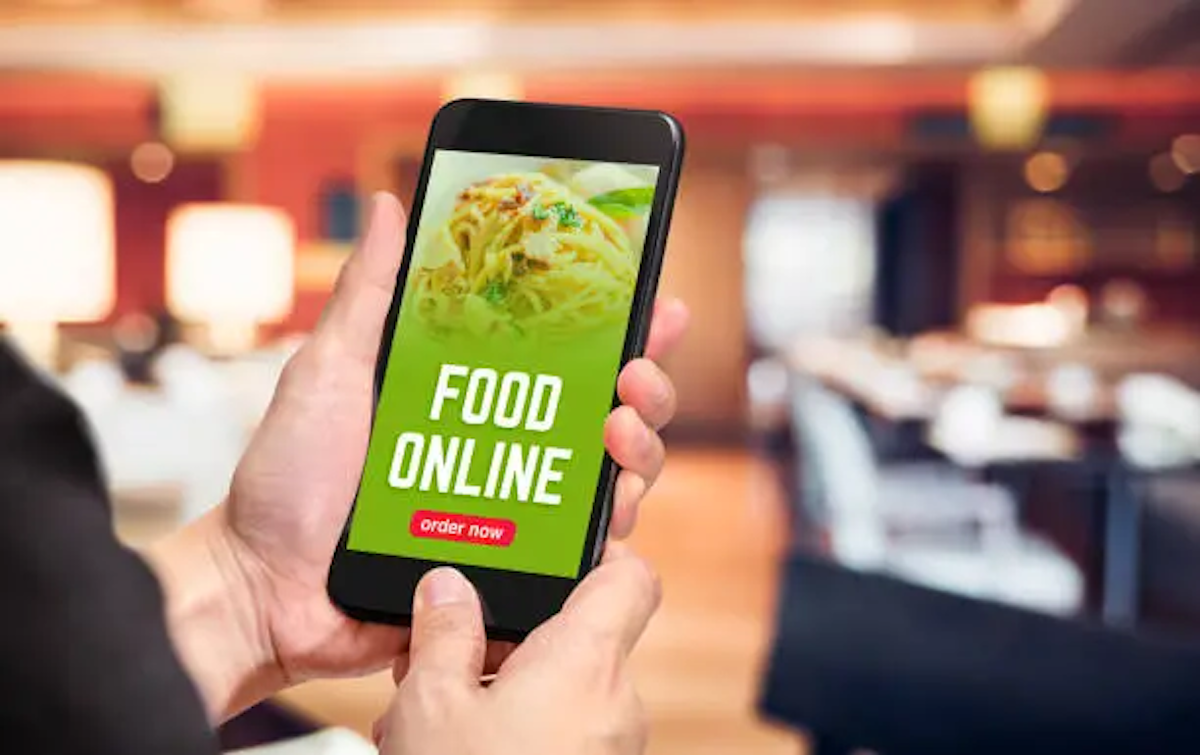
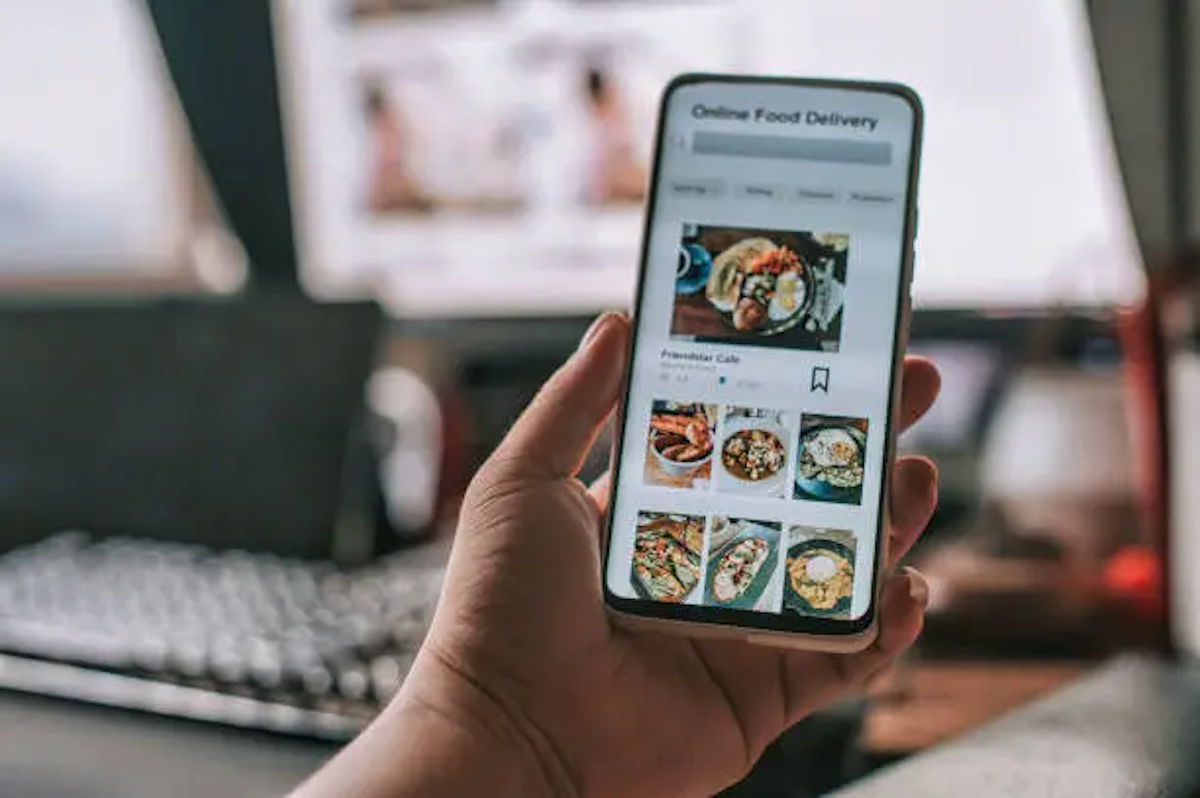
Restaurants are going digital. Statista says that user penetration in the meal delivery market will be approximately 28.2% in 2025.
Restaurant marketing has changed because of:
-
Online ordering
-
Delivery platforms
That means that restaurants must be online, often starting with a restaurant website builder to make their restaurant website.
Such efforts also include:
Good social media strategies allow restaurants to show their:
-
Menus
-
Daily specials
-
Unique experiences
Here is a good guide: Social media marketing for restaurants.
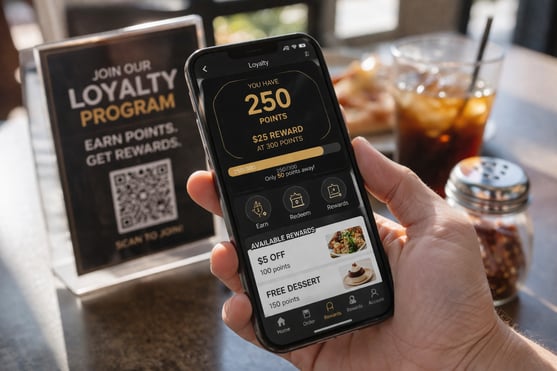
Using digital loyalty programs is another tool. These programs get higher customer retention by offering rewards based on ordering history.
Are you ready? Paytronix’s marketing automation can help!
Key takeaway: Using digital tools will
2. Social Media
Social media marketing is a must for restaurants. Make sure you are on:
User-generated content (UGC) is a great tool to use on social media. Tell customers to share posts featuring your dishes and tag your restaurant. Repost their posts. In doing so, you’ll build trust with your audience.
Learn about the best best restaurant social media tips.
Use hashtag campaigns and offer menu previews to your social media followers. Location advertising is another great use of social media.
AI can help create social posts.
Key takeaway: Building a social media presence can boost your restaurant’s visibility and create good relationships with customers.
3. Data Marketing
Data is the difference between good and great strategies. Companies that are using data report growth and EBITDA increases of 15–25%.
Loyalty data helps restaurants to know its customers. Using it helps restaurants can improve menus and promos. Houston’s “Rising Eats” saw a 15% boost in repeat customers by introducing an AI system that makes meal offers based on order history.
Data can also help with marketing. With a tool like Paytronix’s CRM solution, restaurants can organize customer data. Their restaurant website design strategies show how good UX leads to in-store visits.
Using tools that combine data with feedback is key. This makes sure that your messages are correct.
Key takeaway: Restaurants that use data-driven marketing see benefits, including:
-
Better customer insights
-
Better campaigns
-
Higher ROI
4. Sustainability
70% of diners are willing to pay more for their dish if it’s sustainable. Restaurant owners can use this trend to strengthen their brand with marketing.
Start by getting local ingredients. Highlight this on your menu and through gift card marketing campaigns. You can offer an eco-friendly discount when customers buy a gift card.
Use energy-efficient practices and reduce single-use plastics. You can also market sustainable offerings. Examples of great local restaurant marketing show the importance of making community connections.
Digital communication, such as loyalty apps, improve your brand’s sustainable image. Check out our insights on loyalty program design for tips.
AI images showing waste-reducing practices can connect with your customers. The best part? It also limits labor costs!
Key takeaway: Showing sustainable in your restaurant's marketing gets more environmentally conscious guests.
5. Loyalty Programs
Loyalty programs are now digital. They offer instant rewards. Restaurants with loyalty programs can earn 12–18% more revenue growth.
Using loyalty marketing software, you can create rewards for loyal and potential customers for higher customer lifetime value. Consider:
Going digital is a must. Your loyalty program must connect with apps or online ordering systems. But there are more reasons as to why loyalty programs are important.
A big loyalty trend includes using games. Than means things like:
-
Challenges
-
Milestones
-
Rewards
Make levels based on spending. AI loyalty program designs show how points work.
Key takeaway: Loyalty programs keep customers and boost engagement.
6. Innovation
Customers want dining experiences that are more than good food. Restaurants can meet this need by finding ways to create lasting memories. Think about word-of-mouth marketing, which is one of the best types of promotion. A study found that 78% of millennials are more likely to spend money on experiences rather than products.
Another thing is augmented reality (AR) menus, where diners can see dishes before ordering. Interactive dining gets people to participate in their meals.
Restaurants can use classic ideas like themed dining nights for shareable moments for social media. Secret menus can also add a fun way to get people excited!
Use tech solutions like:
-
Table ordering tablets
-
AI servers
-
Voice devices
This also adds excitement to the customer experience. Modern diners want personal touches, like getting drink recommendations.
AI visuals can show features like tables with AR menus or live chef experiences.
Key takeaway: Innovative customer engagement builds connections with your customers.
7. Local Marketing
People want to go to local businesses. Use local restaurant marketing to get more loyalty from nearby customers.
Local SEO is important. Make sure your Google Business Profile is updated. To do this, add:
This helps you show up in searches like "restaurants near me."
Host events with local businesses. Showing local efforts keeps diners connected to your brand.
Fundraising events for those in your local community can boost loyalty. Local customers are more likely to revisit your business.
Do you ever wonder how to measure your outreach success? We encourage you to learn how to measure customer loyalty for tried-and-tested metrics. Additionally, campaigns demonstrating a commitment beyond sales-centered relationships deepen community sentiment.
Key takeaway: Act like a local. Engaging with your community can build trust and ensure repeat visits. If you offer personalized dining experiences and reach tight-knit market bases, that’s even better.
8. Adapting to New Consumer Behaviors
Consumer behaviors continue evolving as new preferences emerge. Therefore, restaurants must stay agile and cater to these changing demands. Dining trends reflecting consumer behavior to watch out for in 2025 include:
- Healthy Options: With rising interest in wellness and mindful eating, more diners are gravitating toward plant-based, paleo, and keto-friendly menu options. Offering customizable meals that cater to various dietary preferences allows restaurants to appeal to a broader audience. For instance, incorporating plant-based proteins like jackfruit or Impossible meat into your menu attracts health-conscious customers. Highlighting nutrition information on menus also builds trust and transparency.
- On-the-Go Dining: Modern customers lead busy lives, driving the surge in demand for takeaway and delivery options.
- Novelty Dining: Diners want memorable experiences.
Use marketing channels to promote. Track results for each channel.
Restaurants must mix creativity with tech. Using first-party data lets businesses know what customers want. Getting feedback is also important.
Key takeaway: Change to meet new dining behaviors. Restaurants must have:
-
Healthy choices
-
convenience
-
Exciting menus
9. Predictive Marketing
Predictive marketing keeps customers interested. It helps you learn customer needs before they place an order. Use:
-
AI
-
Predictive data
-
Customer insights
Use this info to:
-
Know what customers want
-
Suggest menu items
-
Make personal promos
Restaurants using predictive tools can offer discounts during slower hours. AI platforms like our own marketing automation software does this for you.
Predictive marketing also helps with inventory. Restaurants can use ordering history to learn item demands. Learn how data in loyalty programs can help!
Key takeaway: Predictive marketing helps restaurants meet guest expectations.
FAQs About Restaurant Marketing Trends
Review the following FAQ section for the answers you need.
What Kinds of Marketing Are Trending Now?
These:
-
AI personalization
-
Short-form video content
-
Social commerce
-
UGC
What is the Best Marketing Strategy for Restaurants?
The best marketing strategies for restaurants include:
-
Local SEO
-
Social media
-
Influencer partners
-
UGC
-
Offering promotions
-
Loyalty programs
-
Great customer service
How Do I Market a Restaurant in 2025?
With these steps:
Also, use:
-
Local SEO
-
Online ordering
-
Loyalty programs
What is the Fastest-Growing Type of Restaurant?
Quick-service restaurants (QSRs), especially fried chicken and Thai cuisine.
Using Trends to Improve Your Restaurant
To summarize, here are nine restaurant marketing trends:
- Growth through digital transformation
- Using the power of social media
- Improving strategies with data
- Using sustainability as a marketing hook
- Strengthening engagement with loyalty programs
- Exciting experiences
- Targeting audiences with local marketing
- Changing to meet new consumer behaviors
- Knowing needs with predictive marketing
By capitalizing on these trends, your restaurant will:
- Attract more customers.
- Improve operations and build great guest relationships.
- Create loyalty.
- Stay ahead of the competition.
Check out Paytronix’s guides on:

 Julia Bigwood


 Julia Bigwood : May 09, 2025