
 Julia Bigwood
13 min read
Why Online Ordering for Restaurants Is a Must
 Kristin Lynch : Mar 13, 2024
People ordering food from restaurants for takeout or delivery want the process to be: Convenient Easy Personal Customers want to: Find...
TL;DR: A durable restaurant concept gives a specific guest a clear reason to choose the restaurant and aligns the experience with that promise. This article provides a one-sentence test and shows you how to identify the market and operational gaps that can weaken an otherwise appealing idea.

A conceptual restaurant is more than a cuisine served in an attractive location. It gives a specific guest a clear reason to choose it over other dining options. That reason should guide what you offer and the experience guests can expect, while also making sense in the intended location.
Whether you are developing a new restaurant or reconsidering an existing one, you should be able to communicate that reason quickly.
This guide will help you turn your initial idea into a concept that makes commercial sense and can be delivered consistently.
A restaurant concept is the unified identity that connects your cuisine and menu philosophy, physical environment, service model, and target guest. It provides a practical basis for decisions across the business, from menu pricing to the layout of the dining room.
Guests experience these elements together, so they need to send a consistent message. A family-style restaurant built around group meals, for example, should support sharing throughout the experience.
When the elements reinforce one another, the concept becomes easier to recognize and deliver consistently. You can then explain what makes the restaurant distinctive without relying on a long list of features.
Describe your restaurant concept to someone who has never seen your plans. Within one or two sentences, they should understand who the restaurant is for and why guests would choose it. If either point remains unclear, the concept needs further development.
Compare these statements:
Use your concept statement as an internal decision tool, ensuring that every major choice supports the restaurant it describes.
Coherence turns a promising concept statement into an experience guests can recognize and want to return to. The four elements below help you identify gaps early, before conflicting decisions dilute the idea or add avoidable costs.
Your menu is where guests encounter the concept most directly. Its philosophy should set useful boundaries for what you serve and how the food is prepared. Those choices must also align with the level of quality your pricing can support.
A farm-to-table concept, for example, depends on sourcing choices that matter to its target guest and are reflected in the dishes served. A fine-dining restaurant centered on classic French technique needs pricing that can support skilled chefs and the labor involved.
When building a restaurant menu, adapt or remove any dish that falls outside that philosophy. This gives the kitchen team a consistent brief and protects the restaurant’s identity.

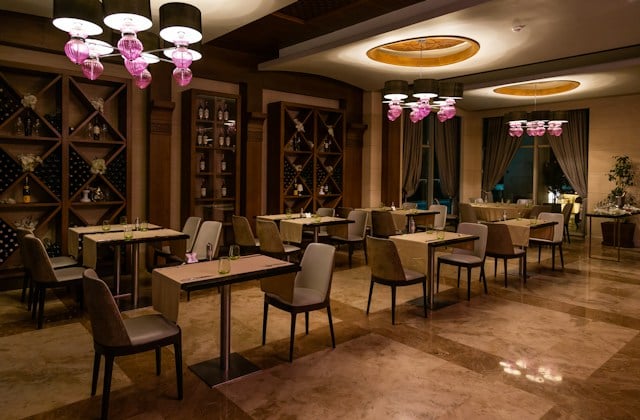
The dining room starts communicating the concept before a guest opens the menu. Its interior design should prepare people for the type of meal and pace of the experience that follows.
Lighting and sound carry both practical and emotional cues. Low light with restrained music may suit a slower, intimate meal, while brighter lighting and livelier music can support a quick, social format.
Seating density also influences who feels comfortable and how long they expect to stay. Tighter spacing may fit an affordable city restaurant, while more room and comfortable seating can support a premium experience. If the furniture and music suggest a different type of experience than the pricing, diners may feel unsure about what to expect.
Your service model defines how guests order and how much interaction they have with staff throughout their visit. Full table service suits a slower meal in which staff guide choices and control the pace. Counter service usually signals greater independence and a quicker visit.
Fast-casual restaurants often use a hybrid format. A guest might order at the counter and have the meal brought to their table, preserving speed while allowing higher-quality food to justify a midrange price.
Any departure from familiar expectations needs a clear rationale. If a premium concept uses counter service, direct interaction with the chef could make the format part of the appeal rather than a compromise. Test the flow at full capacity to ensure guests understand where to order and what happens next, while the team can work efficiently without compromising comfort or accessibility.
A useful target guest profile identifies the people most likely to value the concept and return regularly. Include relevant demographics, such as income or life stage, along with the attitudes that influence their dining choices. A target market of “everyone who enjoys good food” offers little useful direction.
Occasion often tells you more than age alone. An office lunch guest may need speed and a predictable check, while a family choosing dinner could prioritize easy ordering and shareable dishes. Someone planning a date night will arrive with a different set of expectations.
Identify the guest’s job-to-be-done: the specific need they want the restaurant to fulfill, such as a convenient lunch or a memorable celebration. Use the completed profile to check whether the rest of the concept, especially its pricing and atmosphere, makes sense for that person.
When evaluating unique restaurant concept ideas in 2026, look for a clear identity driver that can guide the whole business. A strong concept informs creative and operational choices while giving guests something easy to remember.
A clear restaurant concept still needs evidence that the business model behind it is viable. These failures tend to surface when a promising idea has not been tested against market demand or the practical realities of running the restaurant.
A concept-market mismatch occurs when too few people in the trade area want the experience at the proposed price. Before committing to a lease, test a sample menu and realistic pricing with people who match your target guest profile.
Ask when they would genuinely visit and what they would consider ordering. Feedback from friends and family can be encouraging, but market research and competitor analysis will give you a more reliable view of demand.
A concept-execution gap appears when the restaurant can deliver its promise in a controlled setting but struggles during a busy service. Simulate the expected peak volume and track ticket times, and note where handoffs start to fail.
Involve both kitchen and front-of-house teams when standardizing recipes and service routines. The systems need to work for the people responsible for delivering the concept every day.
A concept-capitalization mismatch occurs when the available budget cannot support the intended experience. Your restaurant business plan should include a financial model that accounts for the required ingredient standards, skilled labor, and ongoing costs of maintaining the designed environment.
Use realistic traffic assumptions and check averages to test whether the concept can produce a viable restaurant profit margin at the proposed price. A compelling idea will still struggle if each sale contributes too little to sustain the business.

Guest engagement technology becomes more useful when you know who the concept is designed to serve. A loyalty program can reveal visit frequency and responses to offers. Digital ordering adds detail about which items guests choose and when they tend to order.
Together, these patterns show whether your intended audience is behaving as expected and which parts of the concept encourage another visit. Review repeated behavior over time before changing the menu or guest experience in response to isolated preferences.
Paytronix connects loyalty and online ordering, and its restaurant marketing automation uses activity and preference data to personalize promotions.
Some parts of concept development sound straightforward until you try to define or assess them objectively. The answers below clarify the questions that often need more thought before you move forward.
A restaurant concept statement is a one- or two-sentence description of the cuisine, atmosphere, service model, and target guest. It should give someone unfamiliar with your plans an immediate sense of the restaurant’s identity and what makes it distinctive. You can then use the statement as a reference point when assessing later concept decisions.
The most durable unique restaurant concepts grow from one specific identity driver that guests can understand quickly. That driver might come from a chef’s culinary heritage or an unusually deep focus on one ingredient. A defined occasion, such as late-night dining, can provide the same clarity.
A gimmick may earn initial attention, but genuine specificity gives the concept enough substance to guide the full guest experience and encourage repeat visits.
You can assess viability by testing the idea in three stages.
A concept has a stronger case for moving forward when the same idea holds up across all three tests.
A concept worth returning to makes a clear promise to a specific guest and delivers it consistently. Once you know who the restaurant is for, loyalty and ordering data can reveal which parts of the experience encourage another visit.
Request a Paytronix demo to see how personalized guest engagement can reinforce your restaurant concept and help turn first-time customers into returning guests.
13 min read
Kristin Lynch : Mar 13, 2024
People ordering food from restaurants for takeout or delivery want the process to be: Convenient Easy Personal Customers want to: Find...

27 min read
 Julia Bigwood : Nov 10, 2025
TL;DR: A restaurant business plan will help you secure investors to fund your establishment and ensure cash flow throughout the life of your...
8 min read
Julia Bigwood : Nov 04, 2024
Your restaurant’s catering services are an important driver of overall restaurant revenue and growth. When a restaurant catering menu works...