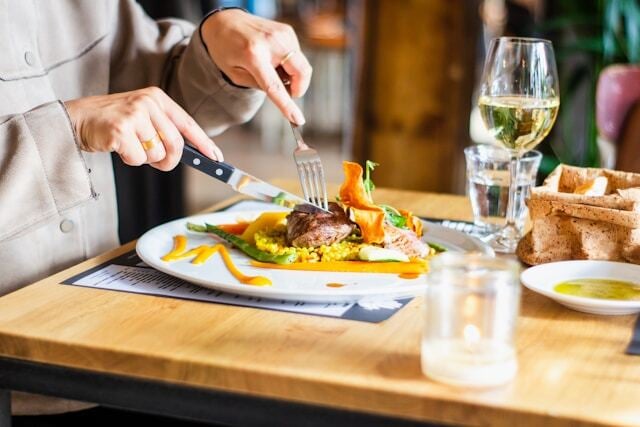
A quick brew from a fast food spot costs $1, while a $300 five-course meal at a fine dining restaurant can cost $300+, and both fall under the same label: food service restaurant.
From a quick-service restaurant (QSR) to a ghost kitchen or fine-dining establishment, each business uses the same fundamentals: prepare food, serve it to customers to eat immediately, and capture guest attention in a crowded food service market.
Our guide breaks down what a food service restaurant is, the five main types that make up the industry, and three key trends shaping the food industry in 2026.
What Is a Food Service Restaurant?
A food service restaurant is any business that prepares and serves food for customers to eat immediately, either on- or off-site. Immediate consumption separates it from other food service types, such as food retail, including grocery stores and packaged goods, and food manufacturing.
The five main types of food service restaurants include quick-service restaurants (QSR), fast casual, casual dining, fine dining, and midscale, or family dining. Each serves a unique guest segment, price point, and occasion.
The 5 Primary Food Service Restaurant Segments
Food service restaurants fall into five main categories: QSR, fast casual, casual dining, fine dining, and midscale family dining. Here’s a breakdown of each type’s business model, price point, guest profile, and key competitive dynamics.
1. Quick-Service Restaurant (QSR)
QSRs offer a fast turnaround time and standardized food service. They are also what most people associate with “fast food.” Popular operators include McDonald’s, Chick-fil-A, and Wendy’s.
Data from Straits Research values the global QSR market at $1.05 trillion in 2025 with a projection of $1.11 trillion in 2026. Estimates show this market growing to $1.79 trillion by 2034. In 2025, the U.S. accounted for 34.80% of the market, approximately $365.4 billion.
QSR restaurants are business models with high levels of automation due to standardized menus and software across touchpoints. These types of establishments offer quick food services, where food is typically ready in five to ten minutes, particularly for drive-thru food orders. Drive-thru orders are a main focus as they can generate significant sales volume and steady traffic. Menu items are generally on the lower end, with prices between $5 and $12. Value meals or bundles are common promotions among QSR restaurants. Price is a key competitive factor for this segment.
Service model: Most QSR operators have standardized cooking methods to make food quickly. They typically have a drive-thru, counter service, mobile order pickup, and delivery through third-party delivery services.
2. Fast Casual
Fast casual establishments are a step up from QSR, sitting between fast food and traditional casual dining by combining faster service with an emphasis on ingredient quality. They generally appeal to those seeking healthier options. Popular operators include Chipotle, Cava, and Panera.
A customer's average spend typically sits between $10 and $18, slightly above typical QSR spending. At this higher price point, guests generally expect higher-quality food with little to no wait time, similar to fast-food joints.
Fast casual operations compete on ingredient quality and healthier menu items. Diners can get their food quickly, and many brands offer a digital experience connected to loyalty programs.
Service model: Operators generally use counter ordering, and food is delivered to tables or picked up at the counter. Many fast-casual restaurants feature open kitchens where customers watch food being prepared, and they have a clean aesthetic.
3. Casual Dining
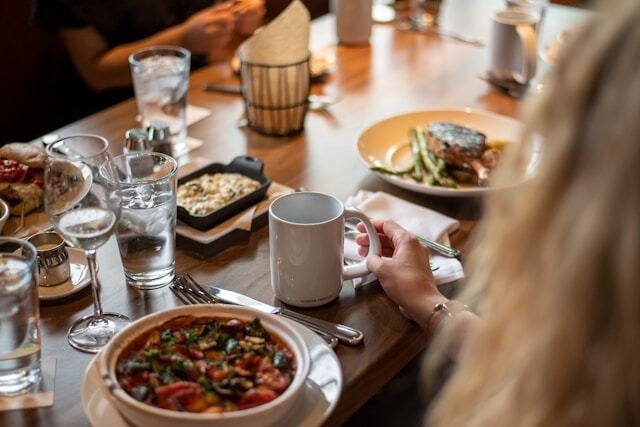
If you’re eating at a casual dining restaurant, you’re sitting down for full table service. Another rung up the ladder from fast casual, it’s a relaxed eatery and typically has an extensive menu for a wide customer base.
Examples of popular casual dining chain restaurants include Applebee’s and Olive Garden. Local operators may include diners, bistros, and family-owned businesses.
Guests spend around $15 to $35 on average and stay longer than they would at a fast food restaurant. Casual dining restaurants are usually laid-back with moderate price points and mid-budget options.
Service model: Casual dining uses full table service, with servers taking orders and delivering food and drinks.
4. Fine Dining
Fine dining takes up a smaller portion of food service restaurants but has a distinct presence in the industry. Fine-dining restaurants are driven by exclusivity and the experience of a multi-course meal. Order values are much higher, usually starting around $75 and rising significantly depending on the concept, menu, and beverage program.
Fine-dining restaurants are well suited for private dining and events and often generate higher margins on drinks such as wine and spirits. It’s in a class of its own, with a top culinary reputation, incredible service quality, and a sumptuous, exclusive atmosphere.
Service model: Fine dining is known for a luxurious atmosphere, with full-table service, which can include a sommelier and tableside presentation or finishing touches. Service is typically highly personalized to the guest and occasion.
5. Midscale and Family Dining
Midscale and family dining restaurants often include diners, family businesses, or all-day breakfast operators. They have broad appeal and see an average order value of $10 to $20. Like casual dining, they also have broad menus with something for everyone at the table.
This segment faces growing competition from fast-casual concepts that target similar value-conscious diners. Popular restaurants that pop into mind in this category include Denny’s and IHOP.
Service model: Midscale operators usually have servers for each table who bring food and take orders, but may also offer counter ordering. Decor is typically kept simple, and staff is streamlined.
Emerging Food Service Restaurant Models
More food service restaurant types exist beyond the five top iterations.
Other food service restaurant models include:
- Food halls: Shared dining spaces hosting multiple operators with a purposeful mix of cuisines. These are popular in urban areas, and customers love the variety of food options in one location.
- Ghost kitchens: As a location-free concept, ghost kitchens offer delivery only. They’re popular, and the industry is growing as food delivery continues to rise, but they’ve been consolidating since 2024 as delivery economics tightened.
- Virtual brands: True to their name, virtual brands are delivery-only, like ghost kitchens but operate inside of restaurant kitchens during their off hours.
What's Changing in Food Service Restaurants in 2026
Three trends are currently influencing the food service restaurant industry. Here’s what operators should know to get ahead.
Digital Ordering Now Defines Competitive Advantage
Digital ordering continues to play a major role in restaurant operations. According to the National Restaurant Association, 75% of all restaurant orders are happening off premises. This can include mobile orders, drive-thru, and delivery.
To stay competitive in the restaurant industry, you need digital ordering platforms that do the heavy lifting for you and integrate with loyalty programs and POS systems, especially as the market grows.
Digital ordering isn’t suitable for every restaurant type. It works well for QSR, casual dining, fast casual, ghost kitchens, virtual brands, midscale dining, and food halls, but fine-dining operators may use it more selectively depending on their service model and guest experience.
Embrace its potential by integrating mobile app ordering, web ordering, and third-party delivery to truly capture the customer segment.
Loyalty Programs Drive Sales Growth
Loyalty programs aren’t a gimmick for QSR stores. They’re a lever that restaurant owners should use to increase sales growth.
According to Deloitte, 72% of respondents said loyalty programs increase the chance they’ll spend with their preferred brand, and over 56% said they spend more because of the loyalty program. This makes loyalty programs a secret weapon for restaurant operators and one of the best ways to increase customer retention and visit frequency.
Some QSR operators, like Taco Bell, have seen 7% same-store sales growth for nine quarters in a row. The company has cited digital and loyalty growth as contributors to its performance.
The 6-Minute Decision Window
Hungry customers make decisions quickly, often within minutes. That creates a short window for restaurant owners to act on, and in most cases, digital presence wins guests. Loyalty programs are another way to stay visible and keep your business front of mind during that decision window.
A six-minute decision window isn’t long, but if potential customers are already thinking of your restaurant, strong digital visibility and loyalty engagement can increase the likelihood that they choose your brand.
Frequently Asked Questions About Food Service Restaurant
What are the different types of food service restaurants?
There are five main types of food service restaurants: quick-service restaurants (QSR), fast casual, casual dining, fine dining, and midscale/family dining. Outside these main types, other concepts include ghost kitchens, pop-up restaurants, virtual brands, and food trucks.
Is a restaurant considered food service?
Yes, restaurants are a large segment of the commercial food service industry. Restaurants that prepare and serve food for immediate consumption are classified as food service operators, distinguishing them from food retail or manufacturing.
Build Guest Loyalty Across Every Food Service Restaurant Segment
Operators running loyalty programs, like Taco Bell, have seen 7% same-store sales growth for nine quarters in a row. For operators looking to strengthen retention and repeat visits, an integrated loyalty platform can support the next stage of growth.
Book a Paytronix demo to see how a loyalty platform is built for food service restaurant segments across the board.



 Michelle Casey : Jun 24, 2016