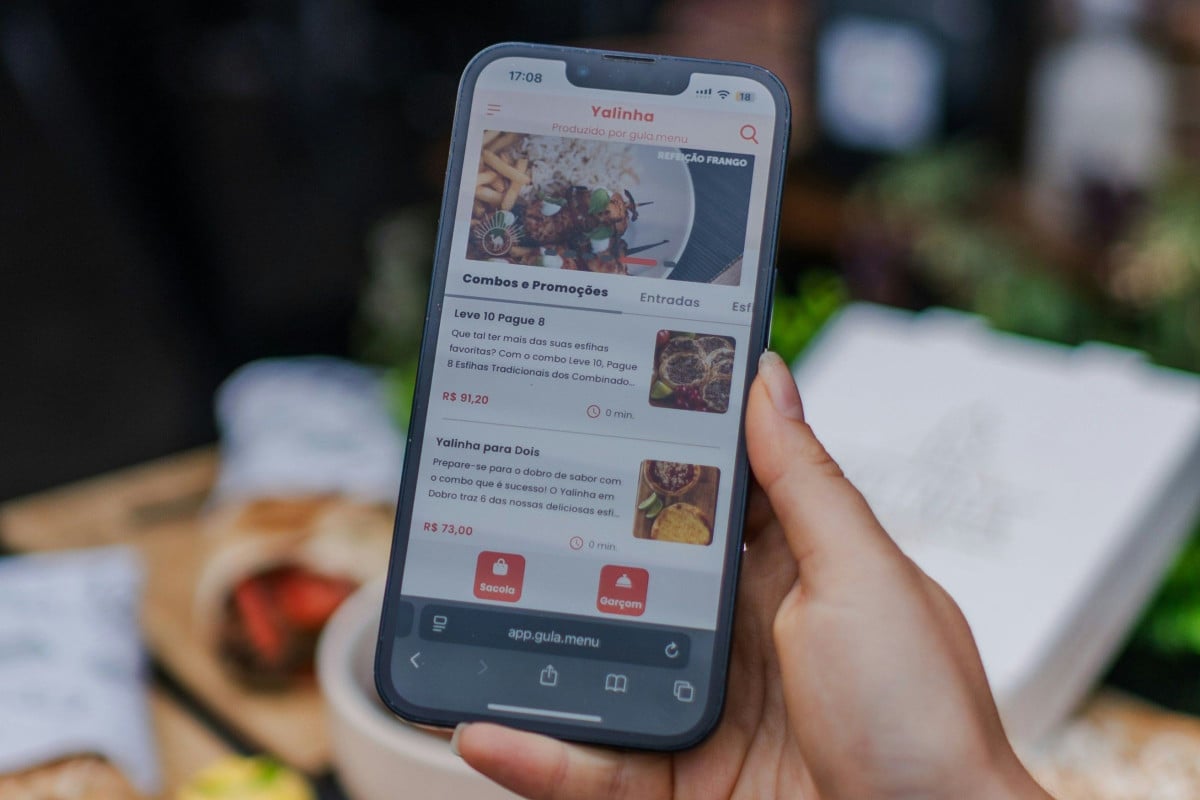
Most cafe visits are habits. The same latte, the same 8 a.m. stop. A cafe mobile app turns that habit into data you can act on and revenue you can measure.
Many operators treat an app as a digital menu and stop there. Done well, it raises order value, shortens the morning line, and gives you a direct line to your regulars with no third-party fees.
This article shows you which features drive those results, what they cost, and how one Paytronix-powered brand puts them to work.
Why Cafe Apps Outperform Other Restaurant Apps
Cafes hold a built-in advantage over other restaurants: frequency. Guests return much more often than they sit down for a full meal, so an app earns its keep faster.
Coffee is a daily ritual, which pushes mobile order adoption higher than in most restaurant categories. Starbucks, the category benchmark, runs about 20% of transactions through mobile order and pay during peak hours. Together, habit and a saved order become a tap-to-buy routine.
And because guests can order from anywhere, on the commute, at the office, or from the parking lot, online ordering extends your reach well beyond the counter.
The spend follows the habit. App and online orders run 18% to 20% higher than counter orders, because there is no line pressure and the app can suggest a pastry or a larger size. Higher frequency and higher tickets are why a cafe mobile app pays back sooner than a typical restaurant build does.
Set Clear Goals Before You Build
Every strong app starts with a decision about what it should fix. Vague goals produce bloated apps no one opens twice.
Most cafe goals fall into four buckets:
- Improve order efficiency: add order ahead, saved favorites, and pickup scheduling to clear the morning rush.
- Increase sales: use upsells and personalized offers to raise the average ticket.
- Build loyalty: reward repeat visits with points, tiers, and app-only perks.
- Grow your brand: keep your name on the guest's home screen and message them directly on their phones.
The 7 Features Every Cafe Mobile App Needs
You do not need a complicated app. You need the handful of features guests use, each tied to a reason they come back.
- One-tap order ahead and reorder. Let guests save favorites and reorder in a single tap. Speed is the point of a cafe app, and every extra screen costs you a sale.
- Deep drink customization. Coffee is personal. Let guests set milk alternatives, temperature, shots, and syrup levels, then save that build for next time. A saved order removes the daily decision, and that small win is what pulls coffee drinkers back to the same app instead of the counter line.
- Loyalty and digital punch cards. Fold your loyalty program design into the app so points, tiers, and rewards live where guests order. Loyalty drives the frequency that makes an app worth building, and Paytronix data shows 95% of guests who visit four times keep coming back.
- Timed push notifications. Push works best in the morning window. Food and beverage push earns strong open rates, and contextual, timed messages convert better than generic blasts, per Business of Apps benchmarks. A 7 a.m. “your usual is ready to reorder” beats a midday coupon.
- Mobile payment and tap to pay. Offer cards and digital wallets so checkout takes seconds. Fewer taps at payment means fewer abandoned orders.
- POS and kitchen sync. Orders should flow straight to the line through connected online ordering systems, so prep starts the moment a guest taps “buy.” Real-time status keeps guests informed and cuts crowding at the counter.
- Personalized offers. Use order history to send offers guests actually want. Some apps apply artificial intelligence to suggest the next drink, which lifts both relevance and ticket size.
Coffee Subscriptions and Prepaid: The Retention Lever Most Cafes Miss
Most cafe app articles skip this angle. Subscriptions turn occasional buyers into daily regulars and smooth out your revenue.
A coffee subscription or prepaid plan locks in frequency, so retention becomes the whole game. The average coffee subscription loses 5% to 10% of subscribers a month, so the programs that win add flexibility, like pause and skip.
A prepaid coffee plan works the same way: guests fund the app once, then treat every visit as effectively free, which raises visit frequency. Embed subscriptions into the app, and you convert a daily habit into predictable, recurring income.
Build vs. Buy: What a Cafe App Really Costs
Before you design a single screen, decide how you will build. Your budget, timeline, and technical skill point to one of three paths.
|
Path
|
Time to launch
|
Typical cost
|
Best for
|
|
Custom-built app
|
3 to 6 months or more
|
$25,000 to $300,000+
|
Large chains needing bespoke features
|
|
No-code / DIY builder
|
Days to weeks
|
Low annual fee
|
Single sites testing an app
|
|
White-label restaurant app
|
Weeks
|
Subscription
|
Cafes wanting speed plus depth
|
A custom build gives you full control at the cost of time and budget. No-code app builders cut that to days at a fraction of the cost, though you trade away deep restaurant features.
A white-label option like the mobile experiences app from Paytronix sits in the middle. You launch fast, keep loyalty and online ordering built in, and update content yourself. Add a download link to your website and every receipt to drive downloads.
Whatever you choose, weigh it against marketplace fees. Third-party delivery apps take 15% to 30% per order. A first-party app you own charges no per-order commission, so it pays back as you move regulars off the marketplaces.
Case Study: How CC's Coffee House Uses Its Paytronix App
CC's Coffee House launched a mobile app built on Paytronix. It syncs with the brand's loyalty program, so guests order, pay, and track My CC's Rewards in one place.
The app runs on the Paytronix Mobile Experience Builder, a self-service portal. CC's publishes a new drink, menu item, or promotion in real time, with no developer required. Marketing reaches guests on their phones, and geofencing triggers store-specific offers as they approach a location.
“This is a significant improvement for our brand,” said Celton Hayden Jr., CEO and President of CC's Coffee House. The app lets CC's “offer our guests an even more personalized experience.” The lesson for operators: pairing an app with loyalty, self-service updates, and location-aware messaging is what drives lasting engagement.
Frequently Asked Questions About Cafe Mobile Apps
Still weighing an app for your cafe? Start with these questions.
How much does it cost to build a cafe mobile app?
Costs range from a low annual fee to $300,000 or more. A no-code build can start in the hundreds of dollars a year, while a custom app runs $25,000 to $300,000-plus. A white-label restaurant app often falls in between on a subscription.
How long does it take to launch a coffee app?
A coffee app can go live in days or take three to six months. No-code and white-label apps launch in days to weeks. A fully custom build takes three to six months, plus time for testing and app store approval.
Which features do guests use most?
Order ahead, saved favorites, and loyalty rewards see the most use. Guests want speed and recognition: a fast reorder, a saved drink, and points that add up. Customization and mobile payment round out the core set.
How do you get guests to download your cafe app?
Give guests a real reason to install it, then promote it everywhere. Offer first-time users a free drink or bonus points. Add a download link on your website, your social channels, and every receipt, and have staff mention it at the counter.
Launch Your Cafe Mobile App the Smart Way
A cafe mobile app is one of the clearest ways to grow visits, raise order value, and own your guest relationships. Build it around order ahead, loyalty, and personalization, and give guests a reason to come back. Book a demo with Paytronix to see how a branded app and loyalty program can work for your cafe.

 Michelle Casey


 Kristin Lynch : Aug 07, 2025