TL;DR: Sample bar menu templates give you a professional drinks list in minutes, but the template is the easy part. How you order and name the drinks decides what your patrons actually spend. One piece of bar menu design advice repeated everywhere was tested with eye-tracking equipment and turned out to be false.
-
Why it matters: The bar is the highest-margin section of most operations. At an average 20% pour cost, every dollar of drink sales leaves roughly 80 cents of gross margin, so small changes can have a meaningful financial impact.
-
Who this is for: Bar owners, restaurant bar managers, and hospitality operators designing or rebuilding a drink program.
-
Who can skip this: Beverage programs with no printed or digital menu at all, and operators whose cocktail list changes nightly.
-
What you'll walk away with: The right structure for your drinks list, how many cocktails to offer, and where to find free bar menu templates worth using.
-
Best next step: Review your cocktail list and consider limiting it to 8–12 options, with your signature drinks given the strongest emphasis.
Sample bar menu templates are pre-built drinks list layouts you customize with your own cocktails, beers, wines, and prices. They save hours of design work and give any bar a professionally designed starting point. This guide covers what separates a bar menu that sells from one that simply lists drinks, how to structure it, and where to find templates worth your time.
What Makes a Great Bar Menu?
A great bar menu is judged by what it sells, not how it looks. Four things separate a high-performing drinks list from a generic one: a deliberately short cocktail list, drink names that carry a story, seasonal relevance, and a design that guides the eye to your most profitable items.
Margins help explain why these decisions matter. Pour costs typically run 18–24%, averaging around 20%, leaving roughly 80 cents of gross margin on every dollar of beverages sold. Shifting a few orders per night toward your signature drinks compounds fast.
Sample Bar Menu Structure: How to Organize Your Drinks
Structure before style. Decide what goes where, then pick a template that fits.
Five sections cover most bar programs:
- Signature drinks: House specialties, featured first, four to six of your most profitable and distinctive items.
- Classic cocktails: Familiar orders customers place with confidence, needing minimal description.
- Beer: Draft first, then bottles and cans, grouped by style with a brief ABV note.
- Wine: By-the-glass options first, then bottles, with short varietal notes.
- Non-alcoholic: Mocktails, NA beer, specialty sodas, and coffee drinks.
Do not treat that last category as an afterthought. NIQ reported the non-alcohol category at $925 million with 22% year-over-year growth, and mocktails can offer attractive margins without the same liquor costs. Some bars run a streamlined list with no prices at all, an approach that may suit certain high-end concepts where price is deliberately deemphasized.
Bar Menu Design Principles That Drive Drink Sales
Design is where a drinks list becomes a revenue tool. Four decisions do most of the work.
1. Feature Signature Cocktails Prominently
Your signature drinks belong in the first section a guest reads. These are often among the drinks with stronger margins and are also unique to your establishment.
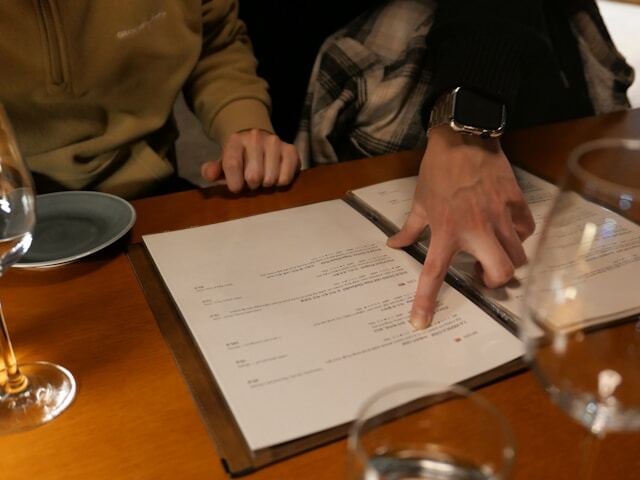
One caveat on placement advice: you will read that items in the upper-right corner get ordered more. When San Francisco State researcher Sybil Yang tracked diners' eyes with an infrared scanner, she found no such sweet spot. People read menus sequentially, like a book.
Put your signatures first in the reading order and give them visual emphasis: a box, contrasting colors, or white space. Those elements draw attention more reliably than relying on a particular corner of the page.
2. Name Drinks With Story and Personality
A cocktail called "Smoked Honey Sour" creates a different impression from one called "Whiskey Sour Variation." Pair a fun, evocative name with one line of flavor detail such as "a smokehouse riff on a whiskey sour, with peated Scotch, honey, and lemon" so guests can picture the drink before it arrives.
Keep it to one sentence: the goal is to help someone choose, not to showcase the bar's vocabulary.
3. Keep the Cocktail List to 8–12 Options
This is the change most bars resist and most benefit from. In the classic study by Sheena Iyengar and Mark Lepper, shoppers offered six jam varieties bought more often than those offered 24, and were happier with what they picked.
A 30-cocktail list can look generous but may make decisions harder. Eight to twelve well-chosen drinks are easier to scan, faster to execute, and easier to keep consistent. Beer and wine can run longer because guests often search those categories by familiar style and varietal.
4. Add Cocktail Photography on Digital Bar Menus
A printed menu has limited space for drink imagery, while a digital one can showcase more photography. Cocktails are particularly well suited to visual presentation because glassware, garnish, and color can all contribute to the appeal.
Good lighting matters more than an expensive camera. Digital menus also support short videos and allow operators to update offerings in minutes rather than waiting until the next print run.
Bar Menu Templates: Where to Find Them and What to Look For
You do not need to pay for a good starting point. Two libraries cover most needs:
- Canva: a dedicated category with 976 bar menu templates, free to customize with drag-and-drop editing
- Adobe Express: thousands of designs with more control over fonts and layout, free tier included
Explore both, then select a cocktail menu template based on four criteria: a horizontal layout option, if landscape suits your menu structure; a dark background version, if it fits your brand positioning; a cocktail image placeholder; and clean price alignment.
Export as a print-ready PDF where appropriate and choose heavier cardstock if you want a more substantial finish. The additional weight can create a more premium feel than thin paper.
Printable vs. Digital Bar Menus: Making the Right Choice
Most bars run both. A printed menu is a tangible brand object that needs no phone and works when service is busy. Chalkboard styles with white text on black or rustic pub designs can also reinforce the atmosphere of the space.
A digital QR menu does what print cannot: photography, real-time pricing, and a direct path into ordering. For many operators, a hybrid approach is practical: use print for atmosphere and provide a QR code linking to online ordering.
Paytronix data shows brand-controlled digital menus generate 15–20% higher average tickets than third-party alternatives.
Seasonal Bar Menu Strategy: Update Quarterly for Maximum Revenue
A quarterly review cycle can work well for many bars because it is frequent enough to keep the menu fresh without requiring constant redesign. Change two or three signature cocktails, rotate the featured spirits, and adjust garnishes to reflect seasonal ingredients.
Templates make this easy: save your layout once, then swap text and images each quarter instead of rebuilding the menu from scratch. Seasonal changes also give you a reason to email your list and encourage regulars to return.
Frequently Asked Questions About Bar Menu Template
What Should a Bar Menu Include?
A complete bar menu includes signature cocktails, classic cocktails, beer split into draft and bottle, wine by the glass and bottle, and non-alcoholic options. Optional additions: a short snack list, a spirits list for neat pours, and a seasonal section. Keep each section visually distinct so customers find their category fast.
How Many Drinks Should Be on a Bar Menu?
Eight to twelve signature cocktails is the professional benchmark, with beer and wine running longer. Beer can be grouped by style without a hard limit, and six to ten by-the-glass wines is a sensible range. Most well-built programs land between 30 and 50 total items, beyond that, you add choice without adding sales.
Build a Bar Program That Keeps Guests Ordering Round After Round
A strong bar menu creates the initial order; what happens next decides whether that guest returns. When your system knows a patron's favorite cocktail, you can send a targeted offer on a slow Tuesday instead of a generic discount to everyone. A restaurant loyalty program tied to beverage preferences turns a good tab into a regular.
Start with the menu: refine the list, feature your signatures, and pick a template that fits your brand. Set a quarterly review date while you are at it. Then request a Paytronix demo to see how digital ordering, loyalty, and guest data work together behind the bar.

 Jeff Hoover
 Julia Bigwood : Aug 28, 2026