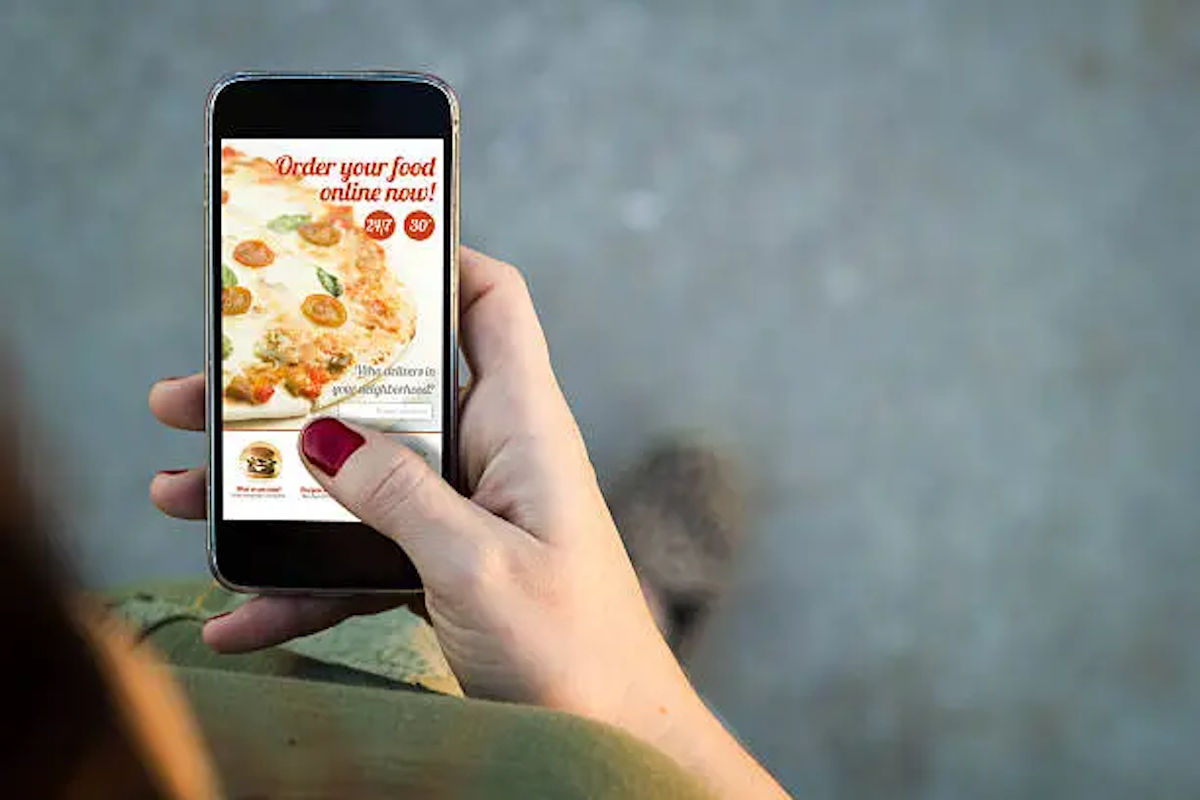
62% of restaurant customers turn to Google first when deciding where to eat (PYMNTS), and 76% of people who do a local search visit a business within 24 hours (MDMMarketing). If your restaurant isn't showing up when someone nearby searches for what you serve, you're losing those diners to competitors who are.
Restaurant SEO is the process of making your restaurant findable in organic search results, without paying for ads. Unlike pay-per-click (PPC) advertising, where you pay Google to show your listing at the top, SEO builds visibility that works around the clock once it's in place. SEO takes more time to deliver results, but keeps bringing you visitors over the long term.
What Is Restaurant SEO?
Restaurant SEO covers everything that affects where your restaurant appears when someone searches for a place to eat. That includes your Google Business Profile (GBP), your website, your presence on review and directory sites, and increasingly, how AI tools summarize local dining options.
The goal is straightforward: when someone nearby searches for what you serve, your restaurant shows up. The tactics to get there are what the rest of this article covers.
How Google Decides Which Restaurants to Show
Google uses three factors to rank local results: relevance, distance, and prominence.
Here’s a quick breakdown:
- Relevance is how well your listing matches what someone searched for.
- Distance is how close your restaurant is to the searcher.
- Prominence is how well-known and trusted your business appears based on reviews, citations, and website authority.
For most restaurant searches, the most valuable real estate isn't the organic blue links. It's the Google Map Pack, the block of three local listings that appears at the top of results.
The Map Pack attracts a large share of clicks for searches like "restaurants near me" or "best Italian restaurant." Rankings are influenced largely by your Google Business Profile (GBP), customer reviews, and the consistency of your business information (such as your name, address, and phone number) across the web.
Understanding the difference between Map Pack rankings and organic search rankings helps you prioritize your SEO efforts. If your restaurant is new or your online presence isn't fully optimized, improving your Google Business Profile is often one of the fastest ways to increase your visibility.
Step 1: Do Keyword Research That Matches How Diners Actually Search
Hungry searchers rarely type "restaurant" into Google. They search for specific phrases: "farm-to-table restaurant in Brooklyn," "best Italian restaurant in Santa Monica," "late-night ramen downtown." These are long-tail keywords, and they're where most of your winnable traffic lives.
Effective restaurant SEO requires combining location terms with cuisine descriptors and quality modifiers. "Best Thai restaurant open late downtown" is a much more useful keyword to target than "Thai food," because the person searching it is close to making a decision.
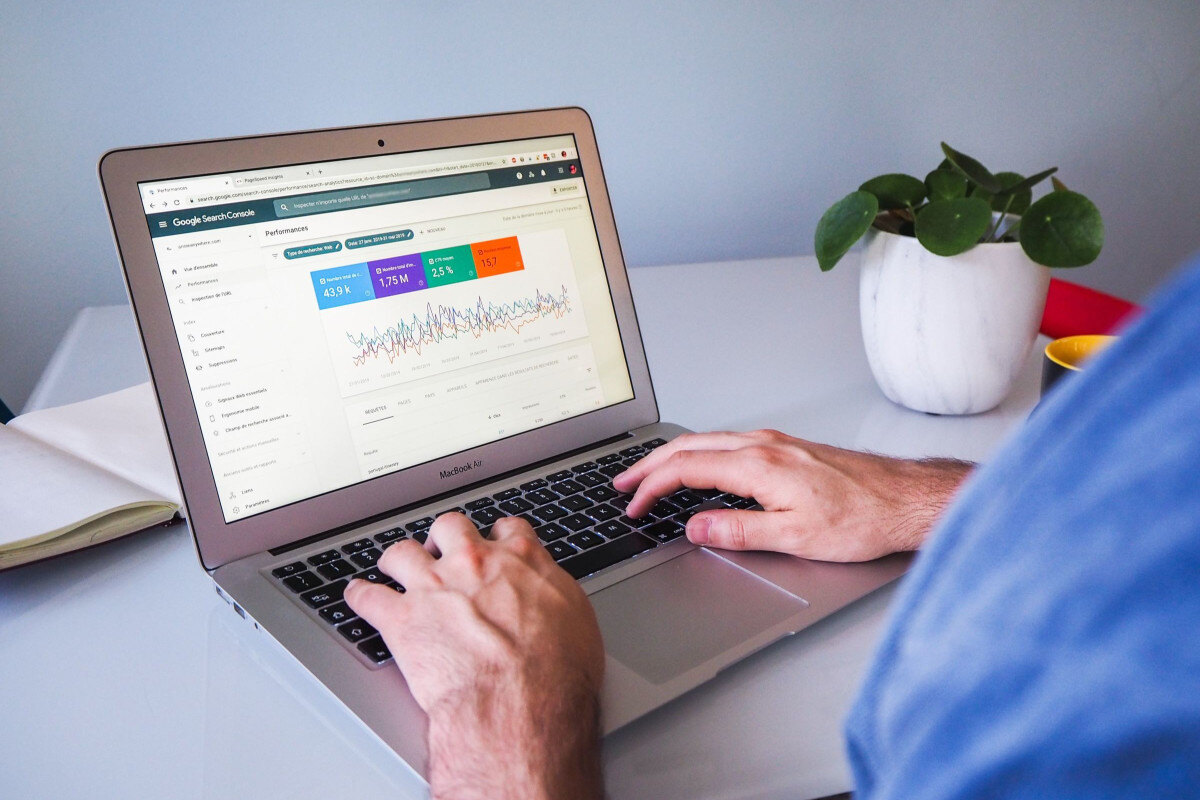
Start with Google Keyword Planner or Google Search Console to find the phrases real people are already using to find restaurants like yours. Look for terms with local intent and a clear dining context, then make sure those phrases appear naturally in your GBP description, your website copy, and your page titles.
Step 2: Optimize Your Google Business Profile
Your GBP is the single highest-leverage asset available to most restaurants, and it's free. When someone searches for dining options near them, your GBP is often the first thing they see, before your website, before any reviews elsewhere.
Fill out every field. The ones operators most commonly leave blank are exactly the ones that help Google match your listing to specific searches:
- Business name, address, and phone number: must be accurate and consistent with every other platform you're listed on
- Hours: keep these current
- Cuisine category and service options: dine-in, takeout, delivery; be specific
- Business attributes: things like "outdoor seating," "good for groups," or "wheelchair accessible"
- Photos: add high-quality shots of your interior, exterior, and best dishes
- Business description: include your cuisine type, neighborhood, and a few natural keywords
- Google Posts: publish regularly with specials, events, or seasonal menu updates; it signals to Google that your business is active, which affects local ranking
Listings with complete information receive significantly more clicks than incomplete ones. The Q&A section is worth maintaining too; if no one has asked questions yet, seed it with the ones customers ask most often in person.
How to Get More Reviews (and Why They Matter More Than You Think)
Both the volume and recency of your reviews factor into local pack rankings. A restaurant with 200 reviews and a steady stream of new ones will consistently outrank one with 50 reviews that stopped coming in six months ago, even if the star ratings are similar.
The most effective approach is also the simplest: ask. Train your staff to mention it naturally after a good experience, and make it easy with a QR code at the table that links directly to your GBP review page.
You can offer incentives for leaving a review, just not specifically for positive ones; that's against Google's guidelines. For what it's worth, 49% of consumers trust online reviews as much as personal recommendations (BrightLocal), so every review you earn is doing real work.
Step 3: Fix Your Website's Technical Foundations
Three technical issues cause the most damage to restaurant sites: poor mobile experience, slow load times, and missing HTTPS. Fix these before worrying about content.
The vast majority of restaurant searches happen on mobile devices, and Google uses mobile-first indexing, meaning it evaluates your mobile site as the primary basis for rankings. If your site is hard to navigate on a phone, that affects both your rankings and your conversion rate.
On speed: 53% of users leave a page that takes more than three seconds to load (MarketingDive), and the impact is especially sharp on mobile menu and ordering pages, where people are actively trying to make a decision.
Compress your images, switch to .webp format, and cut any heavy scripts or plugins you don't need. HTTPS (a secure SSL connection rather than HTTP) is a baseline requirement; Google treats it as a trust signal, and any site still running HTTP is at a disadvantage.
Step 4: Optimize Your On-Page Content
On-page optimization is about making sure each page on your site clearly tells Google, and your visitors, what it's about.
Each page should have a descriptive H1 and title tag that includes relevant keywords. Write a meta description for every page (145–160 characters) with a clear reason to click. Use subheadings to organize your content and add descriptive alt text to every image.
One change worth prioritizing: if your menu is a PDF, convert it to an HTML page. PDF menus aren't indexable by Google, are hard to read on mobile, and they require downloading a file. An HTML menu page can rank for dish-specific searches, loads fast, and keeps visitors on your site longer.
Watch for keyword cannibalization, too. Many restaurant sites accidentally split ranking authority between their homepage and a separate menu or "order online" page, both targeting the same core query. Each page should target a distinct keyword focus so they're not competing with each other.
Step 5: Build Local Citations and Directory Listings
Local citations are mentions of your restaurant's name, address, and phone number across the web, and consistency across all of them matters.
Google cross-references your NAP information across platforms. Any discrepancy, a slightly different phone number on Yelp, an old address on TripAdvisor, can undermine your local rankings. Start with these:
- Major review and booking platforms: Yelp, TripAdvisor, OpenTable, Zomato
- Local business directories: your city's chamber of commerce website, regional food and hospitality publications
- Social media profiles: Facebook and Instagram should show matching NAP information
If you have multiple locations, each one needs its own fully optimized GBP listing and directory entries. Don't consolidate them under a single listing.
Step 6: Create Content That Keeps Your Site Fresh
Search engines crawl sites more frequently when content is updated regularly, and fresh content signals that your site is active and relevant.
You don't need to publish weekly. Even occasional updates to your menu page, a new event listing, or a short post about a seasonal dish keep your crawl frequency up. If you want to go further, a simple blog covering your cuisine's background, ingredient sourcing, or team features can help you rank for keywords your main pages don't target.
Two technical additions that belong in this step: schema markup and native ordering. Schema markup (code added to your site's HTML) lets Google surface your hours, menu, pricing, and reservation links directly in search results, before someone even clicks through. Menu schema, LocalBusiness schema, and review schema are all widely missing from independent restaurant sites, and having them gives you a real edge over competitors who don't.
On ordering: if you have an online ordering page that redirects to a third-party platform, consider hosting it natively instead. Native ordering pages tend to reduce bounce rate and improve dwell time, both of which matter for transactional queries.
Step 7: Get Found in AI Search, Not Just Google
AI-powered search is no longer a future concern for restaurant operators; it's already changing how diners discover where to eat.
Around 45% of consumers now use AI assistants to find local business recommendations (BrightLocal), and AI Overviews now appear on 78% of restaurant-related Google queries (ALM Corp).
The good news is that the signals driving AI discoverability are the same ones covered in this article: a complete GBP, strong schema markup, and a healthy review profile. Structured data makes it easier for AI tools to pull your details accurately and surface them in responses. You don't need a separate AI strategy; you need your existing SEO fundamentals to be solid.
Frequently Asked Questions about Restaurant SEO
How long does restaurant SEO take?
Most restaurants start seeing measurable movement in local rankings within three to six months of consistent work. GBP improvements can show results faster, sometimes within weeks, while building domain authority and review volume takes longer. SEO isn't a one-time project; it's ongoing maintenance that compounds over time.
Is SEO or paid ads better for restaurants?
Both have a place, but they serve different purposes. Paid ads deliver immediate visibility and are useful for promotions or new openings. SEO builds organic presence that doesn't stop when you stop paying. For long-term customer acquisition, SEO typically delivers a better return, but it requires patience. Most restaurants benefit from running both, with paid ads filling the gap while organic rankings build.
How do I get into the Google 3-pack?
The three key levers are your GBP completeness, your review profile, and local citation consistency. Make sure your GBP is fully filled out, your NAP is consistent across all directories, and you're actively earning new reviews. Proximity to the searcher also plays a role, which you can't control, but relevance and prominence are within reach.
Start with the Basics, Then Build
The order of operations matters. Start with your GBP: it's free, it's high-impact, and it feeds both traditional search and AI discoverability. Then fix your technical foundations so your site doesn't lose people the moment they land on it. From there, build out your on-page content, directory listings, and content cadence.
SEO done well doesn't just bring more traffic. It brings people who are already looking for what you offer, at the moment they're ready to decide. That's a different kind of visitor than someone who sees a paid ad, and they convert at a higher rate.
When that traffic arrives, make sure the experience on your site and in your ordering flow is worth it. Paytronix helps you turn that search traffic into repeat guests. Request a free demo to see how it works.

 Michelle Casey


 Kristin Lynch : Nov 26, 2024