When guests walk in without knowing how long they'll wait or whether their table is ready, that uncertainty shapes the visit before they've been seated. For many, it's enough to walk back out.
This article covers eight restaurant hostess software features that give you the tools to improve every guest interaction. That means accurate wait times, smarter seating, and a host stand connected to the guest data that turns first visits into repeat visits.
What Is Restaurant Hostess Software?
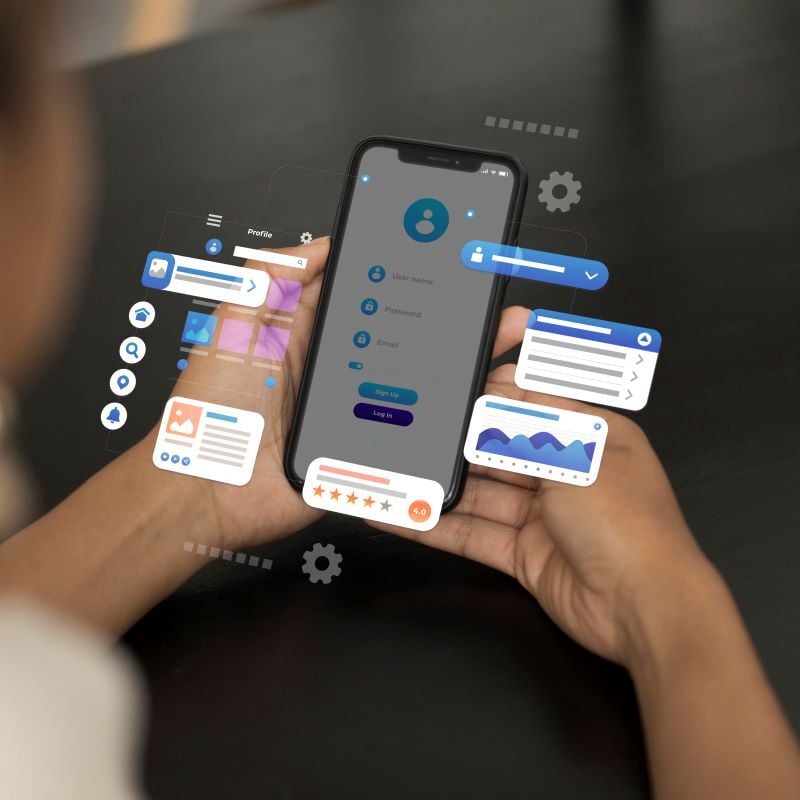
Host software, also called seating management software or front-of-house management software, is a digital system you use to manage reservations, waitlists, table assignments, and server balancing. It centralizes every front-of-house operation into one platform your whole team works from.
Modern platforms run on tablets, phones, and browsers, so staff can manage restaurant operations from anywhere on the floor. The right system simplifies guest management and gives every customer a consistent experience, and gives your business the data it needs to improve it.
Feature 1: Real-Time Digital Waitlist Management
A digital waitlist replaces the clipboard with a live queue your host manages from one screen to seat guests efficiently. Guests can join via QR code, self-service kiosk, tablet, or phone, and the system tracks their position and estimated wait time automatically.
That visibility works best paired with SMS updates: guests who receive real-time text notifications stay engaged with the queue instead of walking out. Your host spends less time fielding guest calls and more time moving people to their tables.
The system updates wait times as tables turn, so every estimate reflects what’s happening on your floor. That accuracy builds trust before anyone is seated.
Feature 2: Two-Way SMS Guest Notification
Queue visibility matters only if guests can act on it wherever they are. A restaurant hostess app improves communication through two-way SMS: the system texts them when their table is ready, and they can reply to confirm, delay, or cancel.
That separates a restaurant waitlist management system from a basic pager: customers feel in control of their wait, not forced into lobby crowding. They would wait at the bar or in their car, and your entrance stays clear.
Automated reminders before the reservation reduce no-shows, recovering tables that would otherwise sit empty during busy periods. Reservation deposits and cancellation fees add another layer of protection. Every recovered seat is revenue with no per-cover fees or extra staff.
Feature 3: Interactive Hostess Seating Chart
A live floor plan shows every table's status: open, seated, check dropped, or being cleared, giving your host the facts to seat faster and balance server sections. Color-coded assignments make that instant, even when the dining room is moving fast.
Without a real-time hostess seating chart app, your host walks the floor or asks servers to confirm availability, which slows seating and leaves tables open longer than needed.
The floor plan standardizes shift handoffs: instead of verbal descriptions, the outgoing host passes a live map to keep the front-of-house team aligned. New hosts step in informed rather than guessing, which reduces the confusion that costs turns.
Feature 4: Hostess Seating System Integration With Reservations
When online reservations feed into your host seating system, staff already knows the party size and occasion flags, including large parties, before customers reach the door. Pre-assigned tables and that advance context eliminate the check-in scramble that slows down every shift.
With integrated data, restaurant seating optimization starts at check-in: your host has full guest details ready the moment a guest arrives, instead of searching for them in a separate system at the door.
If you run multiple locations, restaurant reservation software feeding into a shared hostess seating system keeps check-in consistent across all properties. A customer visiting a second location gets the same attentive greeting, not a blank screen and a manual search.
Feature 5: Server Section Balancing and Pacing Alerts
Restaurant host software manages server rotation by pulling live data from your point of sale (POS), updating section loads as tickets open and close. When a section hits its limit, the system flags it before your host makes the next assignment, so you manage guest flow without disrupting service.
That pacing keeps your kitchen from facing unpredictable order spikes mid-rush. When no single server carries eight tables while another works three, your kitchen keeps a steady service flow, and the team avoids delays that build up during the shift.
When you balance server sections effectively, tables turn more predictably and customers aren't waiting on an overwhelmed section to clear.
Feature 6: Accurate Wait Time Estimation
The top complaint in full-service dining is an inaccurate wait estimate: customers who get a bad one are 35% less likely to return. The system calculates wait times from live table status, average turn time by party size, and incoming reservation load.
An accurate estimate tells customers what to expect, and when the wait is long, that transparency is what makes them feel respected rather than managed. Those who feel misled tend to leave, and most do not come back regardless of how good the dining experience turns out to be.
When the wait is long, a data-backed number lets your host give information rather than an apology.
Feature 7: Guest Profiles and Returning Guest Recognition
When a customer checks in and the system surfaces their history, preferences, special requests, and loyalty tier before the host speaks, that moment registers. Those profiles store allergies and spend history, arming your team with everything needed to personalize the greeting.
When you build that recognition into the host stand, you see measurable lifts in loyalty enrollment, because it gives customers a reason to identify themselves.
Recognition makes the value exchange obvious: guests share their details because the restaurant uses them to create a better visit. When the host knows their name and usual table, joining a rewards program feels natural.
Paytronix makes that connection possible: when your loyalty platform feeds customer data directly to the host stand, every check-in becomes a personalized moment rather than a blank slate. That's what turns a seating system into a guest experience platform.
Feature 8: Loyalty Platform Integration at the Host Stand
According to the National Restaurant Association, 70% of operators with loyalty programs report a boost in customer traffic. Any restaurant host app worth evaluating connects the host stand to the loyalty program, giving staff instant access to enrollment status and reward proximity.
For customers who aren't yet enrolled, the wait is the highest-intent moment you have: they're engaged, stationary, and already invested in the experience. According to Paytronix research, loyalty members spend 38% more per visit than non-members. A brief, well-timed invitation from your host is how you get them there.
The system automatically records every visit against the profile. Over time, that history powers personalized campaigns, sharper rewards, and a better experience with each return.
What to Look for When Choosing Restaurant Host Software
Before you commit, make sure any system you evaluate covers these five capabilities:
- Table status tracking with a visual floor plan: Look for color-coded, real-time updates instead of a static layout that requires manual input after every seating.
- Two-way SMS guest notification: One-way alerts keep customers informed; two-way communication lets them confirm, delay, or cancel, which is what actually reduces walkouts and simplifies managing waitlists.
- Reservation management system integration: The platform should sync directly with OpenTable, Resy, or your proprietary system, without requiring a manual export or a workaround.
- Loyalty platform integration at check-in: Hosts need to see enrollment status and visit history at the moment a customer arrives, before they're seated.
- Shift-level reporting: Ask specifically for restaurant table management data: turn times, cover counts, and wait time accuracy by shift. Those three metrics tell you whether the system is actually improving your operation.
Ask any vendor to walk through all five capabilities live during a demo, rather than from a slide deck. A system that delivers on each one is equipped to manage restaurant guest flow at scale.
Restaurant Hostess Software FAQs
What Is the Best Hostess App for Restaurants?
The best platform is the one that covers your actual operational gaps. Look for real-time restaurant reservations sync, two-way SMS, guest profiles, and loyalty platform integration, all in one system.
Does Hostess Software Integrate With My POS?
Most modern platforms integrate with major POS systems via API to pull table status automatically when a check opens or closes, removing phone calls and manual updates. Confirm POS compatibility and ask how it handles high-volume turns before committing.
How Much Does Restaurant Host Software Cost?
A standalone restaurant front-of-house software typically runs $100 to $400 per month, though some reservation platforms include host features at no added cost. Multi-unit pricing varies by location count, worth factoring in early if you manage more than one property.
Turn Every Seating Into the Start of a Loyalty Relationship
Recognizing returning customers at check-in and logging every visit against their profile drives enrollment, and loyalty programs with integrated data see an 18% increase in order frequency. The host stand is where that relationship starts, and the right platform is what makes it happen consistently.
Book a demo with Paytronix to see how integrating your guest engagement platform with restaurant management software and front-of-house operations creates a seamless, personalized experience from the host stand to the final loyalty point redemption.

 Michelle Casey

 Michelle Casey : Jul 09, 2026