Restaurants lose more than $36,000 each year due to poor ordering app performance, and most operators don’t realize where that revenue disappears. Low download rates, high cart abandonment, and heavy reliance on third-party apps quietly drain profits from your business.
If your guests aren’t using your ordering app, or worse, abandoning their carts before checkout, you’re not alone. Many restaurants see only an 18% app adoption rate and up to 65% cart abandonment on mobile. At the same time, third-party platforms continue to take up to 25% in commissions, cutting deep into already tight margins.
The good news is this: These problems are fixable with the right strategy. Restaurants that optimize their ordering app experience can increase conversions while also boosting order frequency, growing customer lifetime value, and reducing dependency on costly third-party apps.
In this article, you’ll learn 15 proven strategies to turn your ordering app into a high-converting revenue channel, one that allows you to capture more direct orders, build stronger customer relationships, and take back control of your profits.
Building Your Online Order Application for Success
Before you can improve conversions, your ordering app needs a strong foundation. Many restaurants focus on promotions or marketing first, but poor app structure, friction in the user journey, and lack of integration often limit results. Building your online order application the right way ensures every feature, from menu browsing to checkout, works together to support higher conversions, better customer experiences, and long-term growth.
Essential App Features
The right ordering app features reduce friction, increase conversions, and give you full control over the guest experience. If your app lacks key functionality, customers will abandon their carts or return to third-party apps that feel faster and more convenient.
To compete, your online ordering system needs to do more than accept orders. It must guide customers smoothly from browsing your menu to completing checkout while reinforcing your brand and capturing valuable data.
Here are the essential features every high-performing ordering app should include:
- Fast, intuitive menu browsing: Your menu should load quickly and be easy to navigate on any device. Clear categories, high-quality images, and simple customization options help customers place orders without confusion or delays.
- Streamlined checkout experience: Every extra step in checkout increases abandonment risk. Offer guest checkout, saved payment methods, and minimal form fields to help customers complete orders in seconds.
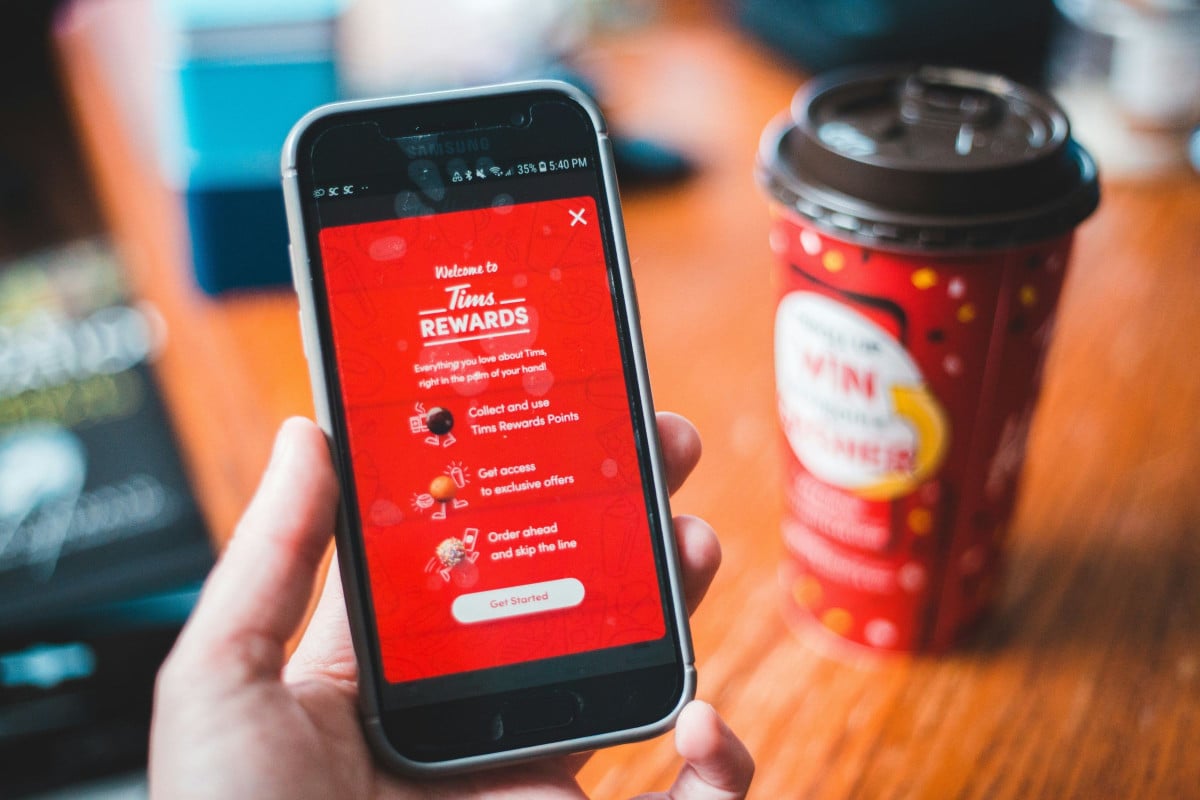
- Integrated loyalty rewards: Loyalty programs drive repeat purchases and higher order frequency. When customers can earn and redeem rewards directly in your app, they have a strong reason to order from you instead of third-party platforms.
- Push notifications for engagement: Push notifications allow you to reach customers instantly with promotions, reminders, and order updates. Used strategically, they can bring customers back and increase conversion rates over time.
- Order ahead and pickup options: Convenience is a major driver of online ordering. Let customers schedule orders, skip lines, and choose pickup times that fit their day.
- Secure, flexible payment options: Support multiple payment methods, including mobile wallets and stored cards. A secure and flexible payment experience builds trust and reduces checkout hesitation.
- Customer account and order history: Returning customers expect a personalized experience. Saved preferences and order history make reordering fast and encourage repeat business.
When these features work together, your ordering online app becomes more than a tool; it becomes a revenue driver. Instead of losing customers to competing platforms, you create a seamless experience that keeps them coming back and spending more with your brand.
Platform Selection
Choosing the right platform strategy ensures your ordering app reaches more customers and maximizes adoption from day one. If your app is only available on one device type, you risk losing a large portion of potential orders before customers even start browsing.
Your goal is simple: Make it as easy as possible for customers to download, access, and use your app, no matter what device they prefer.
Here’s how to approach platform selection effectively:
- Android vs. iOS priorities: Both platforms play a critical role in your app’s success. iOS users often show higher spending behavior while Android users make up a larger share of the market in many regions. Ignoring either platform limits your reach and reduces total downloads. To capture the full demand, your app should be accessible to both audiences.
- Cross-platform benefits: A cross-platform ordering app allows you to launch on Android and iOS simultaneously while maintaining a consistent experience. This approach reduces development time, lowers costs, and ensures your brand looks and performs the same across devices. More importantly, it removes barriers for customers, making it easier for them to place orders, complete checkout, and return in the future.
When you prioritize accessibility across devices, you remove one of the biggest friction points in app adoption. The result is higher download rates, more completed orders, and stronger long-term customer relationships.
Online Order Apps Integration
Even the best ordering app won’t drive results if it operates in isolation. To increase visibility and conversions, your app needs to connect with the channels customers already use to discover and interact with your brand. Smart integrations ensure a seamless experience from search to checkout while keeping your data aligned across every touchpoint.
1. Google Business Profile Connection
Connecting your ordering app to your Google Business Profile drives more direct orders by capturing customers at the moment of intent. When customers search for local restaurants or browse the best local restaurants in their area, your profile often becomes the first touchpoint. Direct ordering links let customers move from discovery to checkout in a few taps, without redirecting them to third-party apps that take commissions.
This integration also improves your visibility in search results. A fully optimized Google Business Profile with ordering enabled increases your chances of appearing in high-intent searches, especially on mobile devices.
As more customers place orders directly through your profile, you gain greater control over the experience, collect first-party data, and reduce reliance on external platforms that limit your growth.
2. Website Synchronization
Synchronizing your ordering app with your website ensures customers can move from browsing to checkout without friction. Many customers start their journey on your website, whether they’re exploring your menu, checking locations, or looking for promotions. If the transition to your ordering app feels disconnected or requires extra steps, you increase the risk of drop-off before the order is complete.
A seamless handoff between your site and your app creates a consistent, uninterrupted experience. Customers can browse your menu, tap to order, and complete checkout without confusion or delays. At the same time, keeping your data aligned across both platforms ensures accuracy in menus, pricing, promotions, and availability. This level of consistency builds trust, reduces errors, and enables you to deliver a reliable experience that encourages customers to return and order again.
Ordering Online App Speed Optimization
Speed plays a critical role in whether customers complete an order or abandon it midway. Even small delays or unnecessary steps can create friction that drives customers away. Optimizing your ordering online app for speed ensures a faster, more convenient experience that keeps customers engaged and ready to place orders without hesitation.
3. Order Ahead Features
Order-ahead functionality increases conversions by removing wait time and giving customers more control over when they receive their food. When customers know they can skip the line and pick up their order exactly when it’s ready, they are far more likely to complete checkout instead of abandoning their cart.
This feature is especially valuable during peak hours, when long lines and delays often discourage in-store purchases. By allowing guests to place orders in advance, you reduce congestion, improve operational flow, and create a faster, more convenient experience that keeps customers coming back.
Time slot selection takes this a step further by letting customers choose when their order will be ready. This level of flexibility makes your ordering app feel more reliable and personalized, which builds trust and increases repeat usage. When customers can plan their orders around their schedule, they are more likely to complete purchases and rely on your app as their preferred ordering channel.
4. QR Code Implementation
Quick response (QR) code ordering reduces friction by allowing customers to access your ordering app instantly, without searching or downloading an app. With a simple scan, customers can browse your menu, place orders, and complete payments directly from their device, making the process faster and more convenient.
This approach is especially effective for table ordering. Instead of waiting for staff, customers can scan a QR code, place their order, and pay at their own pace. This not only improves the guest experience but also increases table turnover and average order value by making it easier to add items.
Contactless convenience also plays a key role in driving adoption. Guests value speed and minimal interaction, especially in busy environments.
By offering a quick, touch-free way to order, you remove barriers that cause hesitation or abandonment. The result is a smoother experience that encourages more customers to place orders and return in the future.
Loyalty Rewards That Convert
Loyalty programs play a critical role in turning one-time customers into repeat buyers. When integrated directly into your ordering app, they not only encourage repeat orders but also influence customer behavior in real time. The right loyalty strategy can increase order frequency, boost average spend and give customers a clear reason to choose your app over competing options.
5. Points System Design
A well-designed points system increases conversions by giving customers a clear, immediate reason to place an order. When customers understand how they earn rewards and how quickly they can use them, they are more likely to complete purchases and return more often.
Strong earning mechanics keep customers engaged from the start. Whether customers earn points per dollar spent or per visit, the structure should be simple and transparent. When customers can easily track their progress and see how close they are to a reward, it creates momentum that encourages repeat orders and higher spend.
Redemption simplicity is as important. If rewards are difficult to use or require too many steps, customers lose interest.
When customers apply rewards directly at checkout, they experience a seamless redemption process that eliminates friction and highlights the value of ordering through your app. When earning and redeeming rewards feels effortless, your loyalty program becomes a powerful driver of conversions and long-term customer relationships.
6. Special Offers Targeting
Targeted offers increase conversions by delivering the right promotion to the right customer at the right time. Generic discounts may attract attention, but personalized promotions drive action because they align with how your customers order.
Using data from your ordering app, you can tailor offers based on behavior, such as order history, visit frequency, and average spend. This allows you to create campaigns that feel relevant instead of random, which increases the likelihood that customers complete checkout and return more often:
- Personalized promotions: When offers reflect individual preferences, they feel more valuable. For example, sending a lunch discount to midday customers or a reorder reminder based on past purchases creates a more engaging experience. This approach allows you to increase order frequency while strengthening customer relationships.
- Exclusive app deals: App-only promotions give customers a clear reason to download and use your ordering app instead of third-party apps. Limited-time discounts, loyalty bonuses, or early access to new menu items create urgency and reinforce the value of ordering directly through your brand.
When you combine personalization with exclusivity, your promotions become more than discounts. They become a strategic tool to drive conversions, increase revenue, and build long-term loyalty.
Push Notifications That Drive Action
Push notifications are one of the most effective ways to bring customers back to your ordering app. When used strategically, they keep your brand top of mind, prompt timely actions, and turn occasional users into repeat customers. The key is sending the right message at the right moment, without overwhelming your audience.
7. Timing Optimization
The timing of your push notifications plays a critical role in whether customers act or ignore your message. Even the most compelling offer will underperform if it reaches customers at the wrong moment.
Identifying peak engagement windows allows you to send notifications when customers are most likely to place orders. For many restaurants, this includes late morning for lunch, early evening for dinner, and specific dayparts based on customer habits. Aligning your messages with these high-intent moments increases visibility and improves conversion rates.
Behavioral triggers make your notifications even more effective. Instead of sending generic messages, you can automate alerts based on customer actions, such as abandoned carts, time since last order, or browsing activity. These timely, relevant prompts feel more personal and create a sense of urgency, encouraging customers to return, complete their order, and engage with your app more consistently.
8. Message Personalization
Personalized push notifications drive higher conversions by making each message feel relevant to every guest. When customers receive offers that match their preferences, they are far more likely to engage and place an order.
Order history is your core foundation for personalization. Analyze your customers' past orders to send timely reminders, suggest reorders, or promote complementary items. This approach reduces decision fatigue and makes it easier for customers to complete their purchase quickly.
Preference-based content takes personalization further by aligning messages with customer behavior and interests. Whether it’s dietary choices, favorite menu items, or preferred ordering times, tailoring your notifications creates a more meaningful experience. When customers feel understood, they are more likely to trust your brand, respond to your promotions, and continue ordering through your app.
Streamlining Checkout and Payments
Checkout is where many ordering apps lose customers. Even small points of friction can lead to abandoned carts and missed revenue. Simplifying payments and reducing steps in the checkout process makes it easier for customers to complete orders quickly and confidently.
9. One-Tap Ordering
One-tap ordering increases conversions by removing unnecessary steps between intent and checkout. When customers can complete a purchase in seconds, they are far less likely to abandon their cart or switch to another platform.
Saved payment methods are a key part of this experience. By storing payment details securely, you allow returning customers to skip manual entry and complete orders with minimal effort. This convenience not only speeds up checkout but also builds trust as customers know their information is handled safely.
Express checkout takes this a step further by reducing the entire process to a few taps. Prefilled details, saved preferences, and simplified flows make it easy for customers to place orders without hesitation. When ordering feels fast and effortless, customers are more likely to return and rely on your app for repeat purchases.
10. Multiple Payment Options
Offering multiple payment options increases conversions by giving customers the flexibility to pay how they prefer. When customers don’t see their preferred payment method at checkout, hesitation increases, and so does the likelihood of cart abandonment.
Digital wallets play a major role in creating a faster, more convenient experience. Options like mobile wallets allow customers to complete payments in seconds without entering card details. This speed reduces friction and makes your ordering app feel modern and easy to use.
Alternative payment methods further expand accessibility. Whether it’s different card types or region-specific options, providing flexibility ensures you can accept payments from a wider range of customers. When checkout feels simple and familiar, customers are more confident completing their orders, leading to higher conversion rates and increased revenue.
Connecting With Local Restaurants
Your ordering app doesn’t exist in a vacuum; it’s part of how customers discover and choose where to eat. Strengthening your connection to the local community drives more visibility, build trust, and bring more customers into your ordering ecosystem.
11. Neighborhood Marketing
Neighborhood marketing increases conversions by targeting customers in the areas most likely to order from you. When your campaigns focus on local audiences, your ordering app becomes more visible, relevant, and effective:
- Geotargeted campaigns: Focus promotions on nearby customers to drive immediate orders. Location-based offers increase relevance and improve conversion rates.
- Community engagement: Build trust by connecting with your local audience. Highlighting community ties encourages customers to choose your brand and order more often.
When your marketing stays local and relevant, you attract higher-intent customers and drive more consistent orders through your app.
12. Best Local Restaurants Discovery
Strong visibility in local discovery channels increases conversions by helping customers find and trust your brand faster. When customers search for the best local restaurants, they often rely on reviews, ratings, and overall reputation to decide where to order.
Integrating reviews directly into your ordering experience reinforces credibility at key decision points. When customers see positive feedback while browsing your menu or preparing to checkout, it reduces hesitation and builds confidence in their choice. This seamless connection between discovery and ordering keeps customers engaged and more likely to complete their purchase.
Social proof plays a critical role in influencing behavior. High ratings, customer testimonials, and visible order popularity signals create reassurance that others trust your brand. When customers feel confident in your reputation, they are more likely to place orders, return in the future, and rely on your ordering app instead of exploring other options.
On-Demand Delivery Optimization
Delivery performance directly impacts whether customers order again or switch to another option. Delays, unclear timing, and poor communication can reduce trust quickly. Optimizing your delivery experience ensures customers feel confident placing orders and relying on your app for future purchases.
13. Delivery Time Accuracy
Accurate delivery timing increases conversions by building trust and reducing uncertainty during the ordering process. When customers know exactly when their food will arrive, they are more confident in completing their order and more likely to return in the future.
Real-time tracking plays a key role in setting clear expectations. By allowing customers to follow their order from preparation to delivery, you eliminate guesswork and reduce frustration. This transparency keeps customers engaged and reassured throughout the entire experience.
Communication automation strengthens this further by keeping customers informed at every stage. Automated updates for order confirmation, preparation status, and delivery progress ensure customers are never left wondering what’s happening. When communication is consistent and reliable, it enhances the overall experience and encourages repeat orders through your app.
Marketing Campaigns That Convert
Marketing campaigns play a key role in driving traffic back to your ordering app. Without consistent engagement, even the best app features go unused. The right campaigns help you reengage customers, recover lost orders, and turn occasional users into repeat buyers.
14. Email Integration
Email integration increases conversions by re-engaging customers who don’t complete their orders and guiding new users toward their first purchase. While many customers leave without checking out, email gives you a direct way to bring them back and recover lost revenue.
Cart abandonment emails are especially effective when sent shortly after a customer leaves your ordering app. A timely reminder, paired with a clear call to action (CTA) or a small incentive, can prompt customers to return and complete their order. This approach allows you to recover sales that you would otherwise lose.
A well-structured welcome series sets the foundation for long-term engagement. When customers first sign up or download your app, a sequence of emails can introduce your brand, highlight key features, and encourage their first order. By creating a strong first impression, you increase the likelihood that customers will return and continue ordering through your app.
15. Social Media Connection
Connecting your ordering app to social media increases conversions by turning engagement into direct orders. Social platforms are where customers discover brands, explore menus, and decide where to order, making them a critical part of your marketing strategy.
Encouraging customers to share their experience through incentives can expand your reach quickly. Offering discounts or rewards for sharing orders, promotions, or referral links motivates customers to promote your brand to their network. This not only drives new downloads but also brings in high-intent customers who are more likely to place orders.
User-generated content adds another layer of credibility. Photos, reviews, and posts from real customers act as social proof, helping others feel confident choosing your brand. When customers see authentic experiences tied directly to your ordering app, they are more likely to trust your business, place orders, and return in the future.
Scaling Multiple Locations
As your business grows, your ordering app needs to support multiple locations without adding complexity for customers. A smooth, location-aware experience enables customers to find the right store quickly and place orders without confusion, which is critical for maintaining conversions at scale.
Location Selection
Simplifying location selection increases conversions by helping customers find the right store without confusion or delays. When customers have to search manually or select from multiple locations each time, it adds friction that can lead to drop-off before checkout.
Smart defaulting removes this barrier by suggesting the most relevant location automatically based on the customer’s current position or past behavior. This reduces decision time and allows customers to move quickly from browsing to placing their order.
Saved preferences take this a step further by remembering a customer’s preferred location. Whether it’s their nearest store or most frequently visited location, this feature creates a more personalized and efficient experience. When customers can start ordering with fewer steps, they are more likely to complete purchases and continue using your app consistently.
Competing with Third-Party Apps
Third-party apps offer convenience, but they come at a cost. To compete effectively, your ordering app needs to communicate clearly why customers should order directly from you instead. A strong value proposition shifts behavior and keeps more revenue in your business.
Value Proposition
A strong value proposition increases conversions by giving customers a clear reason to order directly from your app instead of third-party platforms. If customers don’t see a meaningful difference, they will default to the convenience of aggregator apps.
Passing commission savings on to customers is one of the most effective ways to shift behavior. Since third-party apps take up to 25% in fees, ordering directly allows you to offer better pricing, larger portions, or added value without hurting your margins. When customers recognize they get more for their money, they are more likely to switch and stay loyal to your app.
Exclusive menu items strengthen your position further. Offering dishes, bundles, or limited-time options that are only available through your ordering app creates a sense of urgency and differentiation. When customers know they can’t get the same experience elsewhere, your app becomes the preferred channel for placing orders and exploring your menu.
Measuring Conversion Success
Improving conversions requires more than strategy; it requires visibility into what’s working and what’s not. Tracking the right metrics allows you to identify drop-off points, measure performance, and make informed decisions that drive continuous growth.
Key Metrics Tracking
Tracking the right metrics helps you increase conversions by revealing exactly where customers drop off and where you generate revenue. Without clear data, it’s difficult to identify what’s limiting performance or where to focus your optimization efforts.
Conversion funnels provide visibility into each step of the ordering journey. From app open to menu browsing to checkout completion, tracking these stages allows you to pinpoint where customers abandon the process. Once you identify these friction points, you can make targeted improvements that impact conversion rates directly.
Revenue attribution connects your efforts to actual results. By understanding which features, campaigns, or channels drive orders, you can invest in what works and eliminate what doesn’t. This level of insight allows you to refine your strategy over time, leading to more efficient growth and stronger performance from your ordering app.
Frequently Asked Questions About Ordering Apps
Interested in a broader range of ordering app techniques you can apply in your business? Take a look at these often-asked questions and our team's answers below.
What’s the Best Ordering App?
The best ordering app depends on your restaurant’s goals, but top platforms today focus on direct ordering, loyalty integration, and full control over customer data. Restaurants widely use leading solutions like Olo and ChowNow because these platforms let them accept orders through their own app, website, and multiple digital channels while maintaining ownership of customer relationships.
Modern platforms, such as Craver, Incentivio, and TapMango, are also popular because they combine online ordering with loyalty programs and marketing tools in one system.
The right choice comes down to:
- Whether you want first-party ordering (no commissions)
- Built-in loyalty and marketing tools
- Strong integration with your existing tech stack
What Ordering App Integrates with Popular CRMs?
Ordering apps that integrate with customer relationship management (CRM) systems enables you to turn customer data into repeat revenue through personalized marketing and loyalty programs. Platforms like Olo and Chowly connect ordering data with marketing, analytics, and customer relationship tools.
For example:
- Olo connects ordering data across apps, websites, and third-party channels into one system for analytics and CRM usage
- Chowly integrates ordering, marketing, and analytics into a unified platform, helping restaurants manage customer data and campaigns more effectively
These integrations allow you to:
- Track customer behavior and order history
- Run targeted campaigns, such as email, push, and short message service (SMS)
- Build loyalty programs that increase lifetime value
What Ordering Apps are Trending Right Now?
The most trending ordering apps in 2026 focus on speed, personalization, and artificial intelligence (AI)-driven experiences. The industry is shifting toward platforms that go beyond basic ordering and drive conversions actively.
Key trends include:
- AI-powered ordering and personalization: Brands are integrating conversational AI and recommendation engines to guide customer decisions and increase order value.
- Voice and conversational ordering: Platforms like Uber Eats and Grubhub are now accessible through voice assistants like Alexa, making ordering faster and more intuitive.
- Cross-platform ordering ecosystems: Modern systems allow customers to order through apps, websites, social media, and even smart devices from one unified backend.
- First-party ordering growth: Restaurants are increasingly adopting their own branded apps to reduce commission fees and gain full control over customer data.
With more than 60% of consumers ordering food online regularly, the demand for faster, smarter, and more personalized ordering apps continues to grow.
What This Means for You
Improving your ordering app isn’t about adding features; it’s about creating a seamless, high-converting experience that keeps customers coming back. The most successful restaurant brands don’t rely on third-party apps alone. They invest in their own ordering app to reduce commissions, own their customer data, and build direct connections that scale across locations.
By applying even a few of these strategies, you can start seeing immediate improvements while setting your business up for sustained success. Explore how the right solution can help you increase conversions, boost revenue, and create a more profitable path forward.

 Michelle Casey



 Julia Bigwood : Apr 09, 2025