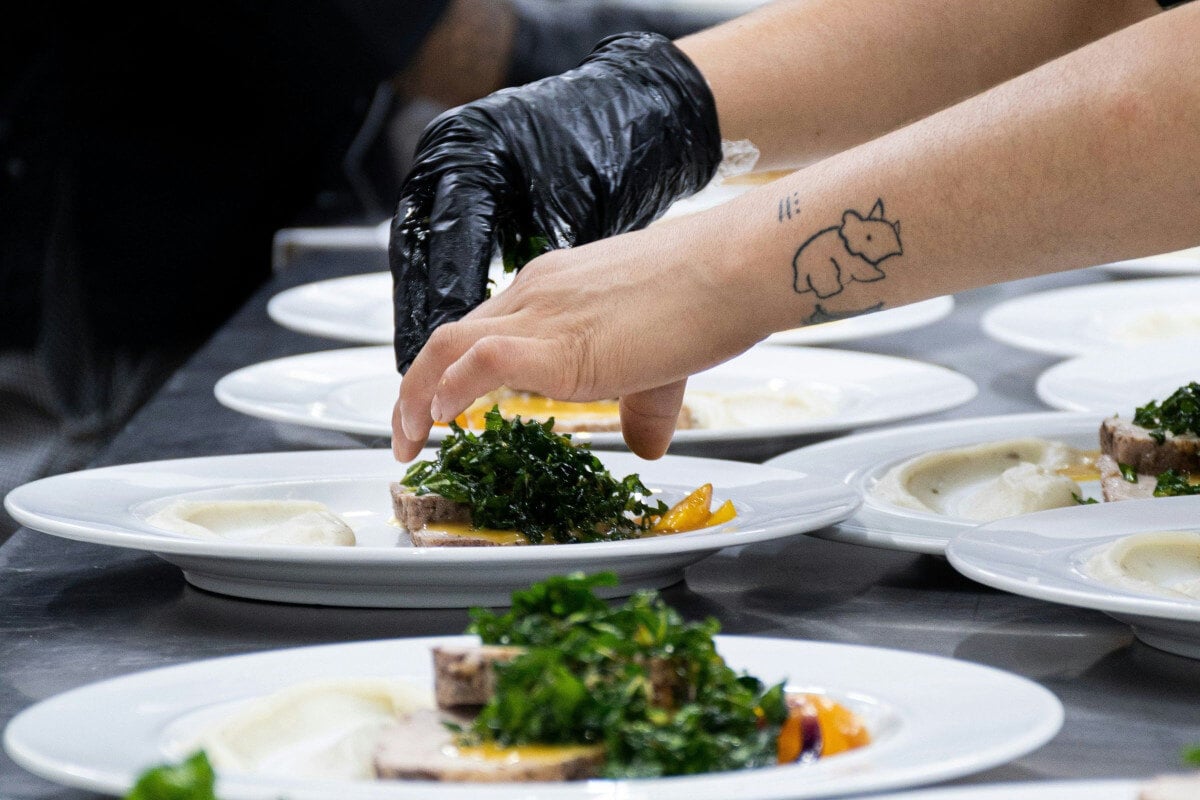
You've created the perfect signature dish. Your clients love it.
But you're still trying to fill your calendar while watching competitors book events. The difference isn't talent. Instead, it's a strategy.
Catering hit $73 billion in 2025 and is growing at 6.2% annually. Corporate events alone are driving 48% of industry growth.
But growing a catering business is about the right strategy.
The following 12 tips will show you how to get more clients.
Why 2026 Is the Perfect Time to Grow Your Catering Business
Catering has changed. Businesses are investing in their workers with catered events. 53% of companies plan to increase their catering budgets this year.
Corporate catering services make lots of money. Per-person orders average $12-18 compared to $8-10 for social events. Corporate clients offer returning revenue, including:
-
Weekly lunch meetings
-
Monthly celebrations
-
Quarterly events
Tech has made it easier for smaller caterers to succeed with:
The social event market has also rebounded due to rescheduling of:
-
Postponed weddings
-
Delayed celebrations
-
Demand for connection
Building for Catering Growth
Your foundation must support growth. Many caterers fail because they try to grow too fast.
Start with your process:
- How do you handle a booking?
- What's your prep timeline for events of different sizes?
- Who handles what responsibilities?
Document these while you are still small. These systems become your training manual as you hire a catering manager and catering staff.
Kitchen flow often becomes the first issue. Ask yourself: How many covers can you do per day?
Consider prep time. Many caterers discover that renting commercial kitchen space during peak periods costs less than turning away bookings. Virtual kitchens offer solutions without long-term commitments.
Staffing requires a strategy. Build a roster of professionals who understand your standards.
Create position guides saying what each role does. Have current team members train new hires. This investment in training helps you grow.
Develop standardized recipes with exact measurements.
Create guides with photos showing how each dish should look. Teach your team how to taste test.
How to Get Into Corporate Catering
Corporate catering is where the money is. Corporate contracts deliver predictable revenue.
Understanding corporate buyers starts with knowing how they are different. They value reliability. They need partners who understand:
Check the average catering cost for 50 guests against your ingredients and business model. Make sure your pricing matches the model.
Identify:
-
Office managers
-
Executive assistants
-
HR directors
These people control catering budgets. LinkedIn is a good place to start. Search for these titles and make connections.
Speak the language of business, like ROI and easy ordering. Include case studies showing how you've served similar companies. Offer tastings that you bring to them.
Your catering packages should include:
Offer monthly retainer options. Consider "lunch-as-a-service" programs where companies prepay.
12 Digital Marketing Tips That Drive Catering Sales
Your online presence either attracts clients or sends them to someone else. Remember, 78% of people research catering options online before contacting a caterer.
- Google Business Profile optimization is best for ROI. Complete every field, upload fresh photos weekly, and respond to reviews within 24 hours. Add catering keywords in your description.
- Use a digital menu template to customize your online menu, then schedule periodic menu engineering.
- Add menu PDFs, highlight corporate catering, and show your service area.
- Photography sells catering more than any other marketing investment. Hire a professional photographer quarterly.
- Stage mock events showing your setup. Photograph happy clients enjoying your food.
- Email marketing to past clients creates 3x more bookings. Send monthly newsletters featuring seasonal menus, availability, and client testimonials.
- Corporate clients should get different content from wedding planners.
- Include limited-time booking incentives that create urgency.
- Your website must be a sales tool.
- Display sample menus with pricing. Include an availability calendar.
- Add testimonials on multiple pages.
- Make booking with you easy.
Building a Network with Event Planners and Venues
Partnerships get you more sales. Event professionals have clients needing catering.
Venue partnerships offer credibility and referrals. Research venues in your area.
Arrive with a partnership proposal: you'll recommend their space, and they'll suggest your catering. Offer venue packages. Many venues maintain preferred vendor lists. Getting on these lists gets you referrals.
Event planners also help you get more clients. Invite planners to tastings where they experience your food.
Create resources like planning timelines and budget templates with your logo. Offer planners commission.
Other people to partner with include:
-
Florists
-
Photographers
-
Rental companies
-
Entertainers
Create referral circles where everyone benefits.
Optimize Your Catering Menu
Menu engineering separates profitable caterers from busy but broke ones. The right menu design helps you make more money and keep your clients happy.
Start with the catering food cost for every item. Target 28-32%.
Identify what items make you money and which don't. Promote the ones that make you the most.
Choose dishes that transport well and maintain quality. Hot items requiring last-minute preparation limit your capacity.
Instead, highlight:
Build menus where 70% of items can be prepared in advance.
Include options like:
-
Vegan
-
Gluten-free
-
Keto
-
Allergen-free
Clients choose caterers based on being able to serve the dietary needs of every guest.
Tiered pricing helps you get all types of clients. Offer bronze, silver, and gold packages:
- Bronze covers basics.
- Silver adds value.
- Gold includes premium touches.
Most clients choose silver, but gold purchasers boost margins.
Catering Tech That Saves Time
Tech makes catering easier. The right tools save 15+ hours weekly.
Catering management software centralizes business. Platforms like Curate and FoodStorm handle:
-
Proposals
-
Contracts
-
Scheduling
-
Payments
These tools cost $100-500 monthly but save dozens of hours.
Online booking systems get sales 24/7. When clients look for catering at 9 PM, your competitors with "call for quote" websites lose to your instant booking.
Tools like Tripleseat or Calendly integrations let clients check availability and place deposits. This convenience often trumps price.
CRM systems help you get returning customers. They help you:
-
Track interactions
-
Automate follow-ups
-
Personalize marketing
Did someone ask but not book? Automation helps you get this sale.
HubSpot's free tier handles most small caterers' needs.
Think about payment processing. Offer payment plans for large events. Give corporate clients NET terms. Accept deposits online. Process final payments with mobile devices at events.

Creating Memorable Experiences
Experience drives word-of-mouth marketing. Clients remember how you made them feel.
Pre-event communication sets expectations. Send timelines showing:
-
When you'll arrive
-
Setup
-
Service schedule
Share your team's photos and bios. Provide day-before confirmations.
Presentation is also important. Upgrade serving pieces gradually. Train staff in proper service. Arrive in branded uniforms. These details show quality.
Surprise-and-delight moments create stories clients share. Include extras, such as:
-
A special dessert for the host
-
Branded takeaway containers
-
A handwritten thank-you note
Clients remember caterers who go above and beyond.
Follow up after every event. Send thank-you messages. Request feedback. Share photos. Offer incentives for future bookings.
Financial Management
Growing without managing finances leads to problems. Financial management helps you grow safely.
Understand your costs beyond food. You need to calculate:
-
Labor
-
Transportation
-
Equipment depreciation
-
Overhead
Many caterers find that they're losing money on some bookings.
Cash flow management is also important. Catering's payment cycles create cash shortages. Require 50% deposits. Set final payment due before event date. Maintain credit lines for equipment. Growing businesses often fail due to cash flow.
Think about what you invest in. That new catering van might feel necessary, but does it generate revenue?
Evaluate every expense. Track which creates bookings.
Growth Through Hiring
Catering business growth will need a bigger staff.
Hire for character, train for skill. Technical stuff can be taught; work ethic cannot.
Hire people who:
-
Take pride in service
-
Handle pressure
-
Represent your brand
These matter more than experience.
Create growth paths that keep your best staff. Servers can become team leads, then event managers. Kitchen assistants advance to prep cooks, then chefs.
Document these paths with requirements and pay scales. Workers who want to advance will show it in how they work.
Have a training program. Record videos of your procedures.
Create checklists for each event type. Assign mentors to new hires.
Marketing Strategies
Marketing for catering businesses requires strategies.
Tasting events are better than any other marketing. Host monthly tastings to show what you can do.
Invite:
These events also provide content for social media and email marketing.
Referral programs boost word-of-mouth marketing. Offer past clients rewards for referrals, such as:
Track referrals. Clients who've experienced your service sell better than ads.
Local marketing helps with community connection. Think about:
These help people learn your name and show that you love the community. Local businesses like supporting local vendors.

Measuring Your Growth
What gets measured gets managed. Track the data that is driving your growth.
Check booking conversion rates. If you're closing less than 30% of inquiries, check your:
-
Follow-up speed
-
Proposal quality
-
Pricing strategy
Small improvements in conversion rates get you more business.
Calculate customer lifetime value. A corporate client booking monthly might generate $50,000 every year. Focus on increasing frequency and order size from existing clients.
Track revenue per event trends. Growing topline revenue while margins shrink leads nowhere good.
FAQs About Growing a Catering Business
Here are the most popular questions people are asking. Check out our answers below.
What is the four-hour rule for catering?
This is a food-safety guideline stating that perishable foods can stay in the temperature danger zone (40°F–140°F) for a maximum of four hours before they must be thrown out. This applies to:
-
Meat
-
Dairy
-
Cooked grains
-
Prepared vegetables
Once food has been out long enough for bacteria to grow, it can’t be safely re-chilled or reheated. You need to track this time window throughout:
To keep your food out of the danger zone, use:
-
Insulated carriers
-
Chafing dishes
-
Temperature logs
-
Pre-event prep
What type of catering is most profitable?
Catering that combines:
-
Steady volume
-
Low labor
-
Standard menus
Corporate catering usually checks all these boxes.
For B2C, lower overhead formats like food trucks and drop-off catering create more profit. Total profits depend on your menu.
What are the 7 Ps of marketing a catering business?
The 7 Ps of marketing help you get and keep catering clients:
- Product: Your menu, service, and customer experience.
- Price: Transparent pricing, package tiers, and value upsells.
- Place: Where customers discover and book you.
- Promotion: Ads, socials, testimonials, and partnerships.
- People: Trained staff who give great service.
- Process: How you manage orders, communication, production, and delivery.
- Physical Evidence: Photos, reviews, tastings, and branding.
In catering, you need to do well in all 7 areas.
What is the most popular catering food?
The most popular catering foods are dishes that:
Favorites often include:
- Bite-sized appetizers
- Build-your-own bars
- Classic entrées
- Premium items
- Mini pastries or cookies
Caterers choose these items because they:
Your Next Steps
Growing a catering business needs a real strategy. The opportunities in 2026's market reward caterers who:
Your future clients are searching. Are you ready to grow using these tips?
The catering industry's golden age has arrived.
Are you ready?
Book a demo now to see how Paytronix Catering can help.

 Michelle Casey


 Kristin Lynch : Nov 27, 2024