TL;DR: Convenience store software becomes a growth lever when it connects checkout, inventory, digital ordering, fuel activity, and loyalty data instead of leaving each system to run separately. With the right stack, operators can use the same operational data to protect margin while giving shoppers a smoother reason to come back.
- Why it matters: Disconnected systems hide the signals operators need to control stock, run stronger promotions, and manage each location with confidence.
- Who this is for: Convenience store operators and fuel retailers evaluating a new POS, back-office platform, loyalty program, or digital ordering setup.
- Who can skip this: Operators with a fully connected tech stack and restaurant-only teams without c-store or fuel operations.
- What you’ll walk away with: A clearer view of which software features support faster growth, from cloud POS access to real-time inventory and customer profile data.
- Best next step to take: Audit where data currently breaks between your POS and the systems that support inventory or loyalty, then decide which integration would remove the most manual work first.
Running a convenience store with disconnected systems for point-of-sale (POS), inventory, ordering, and loyalty can make daily operations feel chaotic. Missed insights into buying habits and inefficient processes reduce customer satisfaction and limit opportunities for retention and exponential growth.
Modern convenience store software lets you streamline operations, improve efficiency, and save time. Employees can focus on giving shoppers a smoother experience while managing transactions and promotions across food service and fuel pumps, driving repeat spend.
Our C-Store Loyalty Insights Mini Report shows that over 95% of leading retailers are adding online ordering and mobile pay to their loyalty program. Linking these channels gives a better perception at every location and makes it easier to offer personalized deals that increase revenue.
This article explores how integrated platforms bring together systems, payments, and customer relationship management (CRM) to support your business across the industry. With the right technology in place, you can stay ahead, simplify compliance, and build a foundation for lasting growth.
1. Why the Right Software Stack Is a Growth Multiplier
The right software allows independent operators to manage daily tasks in one place, making it easier to prevent mistakes and keep the store running smoothly. Many prefer subscription or software-as-a-service (SaaS) models, which let you start small, test what works, and scale without heavy upfront costs.
From Manual Operations to Data-Driven Decisions
Counting stock, updating prices, and checking which items sell can slow operations in one store. Integrated software enables smarter decisions, showing which convenience store products run out quickly, which run slowly, and which promotions attract more customers.
Automation handles repetitive work, such as price updates, reorder alerts, or sales reports. Real-time analytics frees staff to focus on shoppers and stay competitive.
Software as Competitive Advantage in Convenience Retail
Customers expect fast checkout, smooth payments, and consistent availability. Platforms with multilocation management keep operations aligned, protect the brand, and give operators a clear advantage in a competitive market.
2. POS Systems: The Operational Hub of Your C-Store
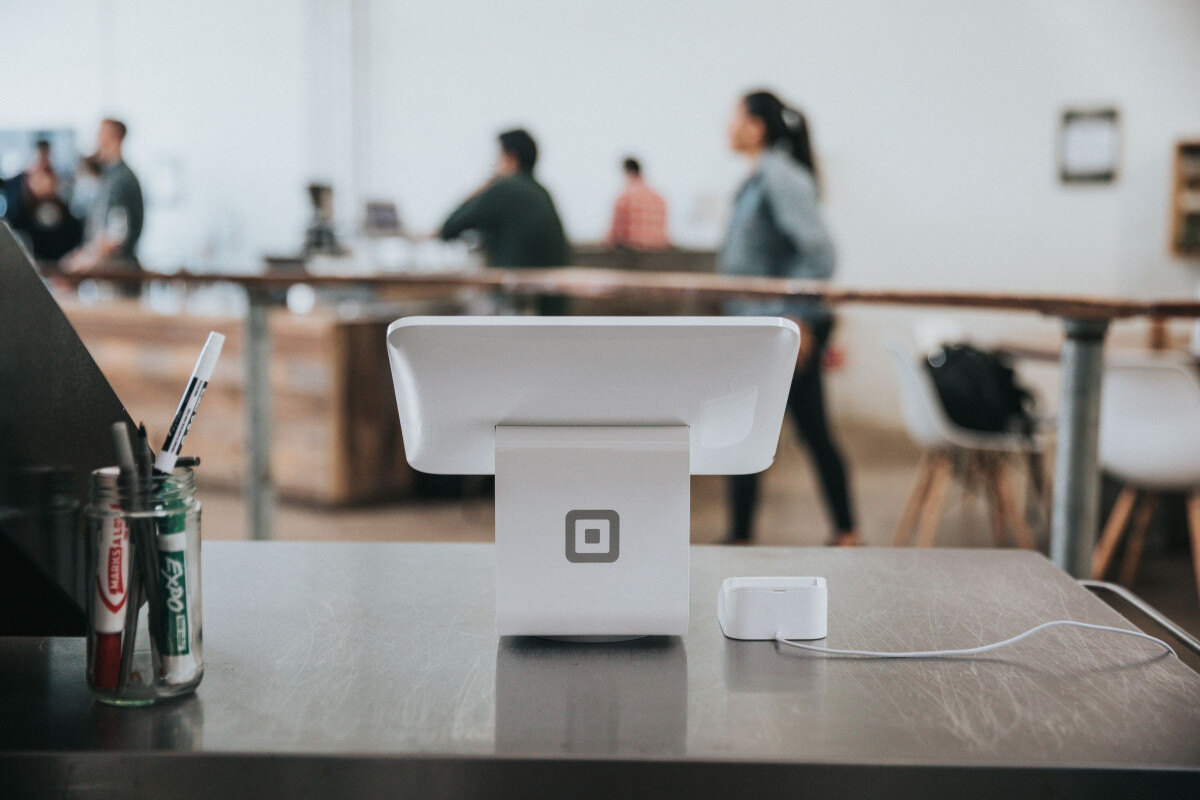
Choosing the right POS shapes how efficiently your store handles transactions and daily operations. Square for Retail works well for smaller stores while PDI CStore Essentials provides tools for managing sales, inventory, and back-office software tasks.
Larger or multilocation stores benefit from retail POS systems like Korona POS and Toast POS, which streamline team management and offer centralized control. These platforms give operators the ability to oversee multiple stores without constant on-site supervision.
Core POS Features Every Convenience Store Needs
A fast checkout system with barcode scanner support ensures transactions are accurate and reduces delays. ID scanning and age verification ensure the store stays compliant with alcohol, tobacco, and lottery regulations.
Employee tools handle staff scheduling and cashier permissions, giving staff defined responsibilities. Alerts for stock tracking levels and reorder needs save time and improve accuracy.
Cloud-Based vs. Legacy POS: Why It Matters
Cloud-based POS gives remote access to sales and inventory, letting managers adjust pricing, stock, and fuel sales in real-time. Automatic updates reduce information technology (IT) work while legacy systems often require manual patches that slow operations.
Multilocation dashboards give operators an advantage, showing performance trends and problem areas instantly. This visibility enables stores to respond faster to customer demand and optimize operations.
Payment Processing and Compliance Considerations
- Europay, Mastercard, and Visa (EMV): Lets cashiers accept contactless, near-field communications (NFC), mobile app, and chip payments quickly at the register, reducing manual entry errors and supporting fraud protection.
- Electronic benefits transfer (EBT): Enables eligible customers to pay with EBT cards, with seamless integration to your POS and proper transaction tracking.
- Payment Card Industry (PCI) compliance: Protect cardholder data, prevent fines, and clarify transaction fees so you process every payment correctly.
3. Inventory Management Software for Smarter Stock Control
The store opens, and you notice that customers have nearly bought out a popular snack, while seasonal drinks remain overstocked.. A strong back-office solution gives real-time convenience store inventory management, letting you track sales, manage purchases, and adjust stock before it affects margins.
Real-Time Inventory Tracking and Automated Reordering
Real-time inventory visibility eliminates guesswork, showing which items are low and where stock needs replenishing. Automated reordering and low stock alerts simplify purchase orders while case break and carton tracking handle c-store specific trends and related inventory needs.
Managing Perishables, Shrinkage, and Compliance
Tracking expiration dates for fresh and prepared foods reduces waste and ensures quality for customers. Tools for loss prevention, shrinkage control, and tobacco and alcohol compliance with data reporting protect your margins and keep the store aligned with regulations.
Cost Tracking and Margin Optimization
Without real-time cost of goods sold (COGS) visibility, operators risk overstocking low-margin items and underordering best-sellers, which can erode profits. IT retail combines POS and inventory tools, letting stores adjust product mix, optimize pricing, and act quickly to increase overall sales.
4. Loyalty and CRM Software That Drives Retention
Tracking repeat customers can be challenging, especially when visits are irregular. With Paytronix, operators can increase customer retention by analyzing purchase patterns and using those insights to plan targeted promotions that encourage shoppers to return more often.
Building Customer Profiles and Purchase History
Every transaction updates a customer profile, capturing what and when someone buys. Using high-performing CRM software and loyalty program software, operators can track behavior over time and segment shoppers for relevant engagement.
For example, a customer who buys coffee and a pastry each morning can receive a morning combo offer. Operators can flag occasional weekend snack buyers for promotional campaigns, transforming irregular visits into repeat ones.
Personalized Offers and Marketing Automation
Personalized offers trigger automatically based on purchase history, keeping incentives relevant. Integration with short message service (SMS) marketing, email campaigns, and mobile app integration delivers promotions seamlessly without extra staff effort.
When a new product arrives, the system notifies customers who bought similar items, increasing engagement. Modern marketing automation lets operators maintain communication while the team focuses on running the store.
5. Integration and Ecosystem Considerations
Implementing new software can feel overwhelming, but connecting your store’s tools is essential for smoother operations. Thoughtful integration reduces manual work, protects sensitive information, and gives operators real-time visibility into what matters most.
Connecting POS, Inventory, Loyalty, and Accounting
A cloud-based office software platform lets operators manage pricing, vendor invoices, and shifts from one place. Integration with accounting software like QuickBooks and third-party apps streamlines reporting while end-to-end encryption, individual logins, and robust data security protect that information.
Unified data across platforms gives a complete view of live sales and inventory, improving decision-making. Application programming interface (API) capabilities allow flexibility to connect additional tools and support e-commerce, promotions, and pricing updates in the price book efficiently.
Online Ordering and Delivery Platform Connections
Maximizing your online ordering operations and delivery platforms ensures digital orders flow seamlessly to in-store fulfillment. Operators can track inventory and adjust pricing across channels in real time, maintaining stock accuracy and supporting customer expectations.
6. Evaluating Convenience Store Software Vendors
Choosing the right vendor affects daily operations, long-term growth, and the ability to track what matters. Businesses should focus on expert support, scalability, and tools that provide performance tracking, forecasting, and clear key performance indicators (KPIs) to make informed decisions.
C-Store-Specific vs. Generic Retail Solutions
Generic retail solutions often miss features critical to brands, like lottery validation, tobacco compliance, or fuel sales tracking. Vendors experienced in the c-store vertical provide convenience store POS software and office software built for these needs, with integrated sales reporting and business intelligence dashboards.
High-quality onboarding, responsive hardware support, and guided implementation ensure your team can adopt the system quickly. Real-time reporting tools enables track daily sales, monitor individual store locations, and identify opportunities to optimize your range and improve margins.
Total Cost of Ownership and Scalability
Subscription fees depend on the features included and whether the system is cloud-based. Review vendor agreements carefully to avoid surprises and ensure you cover all operational needs as additional costs for hardware, payment processing, or premium reporting modules can increase the total.
Scalable solutions let a single store grow into multiple locations without losing visibility into performance. Integrated dashboards track KPIs like inventory turnover, promotion effectiveness, and category sales, enable operators to make informed decisions that increase sales while maintaining control across all locations.
Frequently Asked Questions About C-Store Software
Understanding software can be complex for operators managing multiple systems. Having this knowledge allows teams to make informed choices about POS, CRM, and back-office tools that improve operations and customer retention.
What is convenience store software and what operational problems does it solve?
Convenience store software is the technology operators use to manage checkout, inventory, pricing, payments, loyalty, and store reporting from one connected setup. It solves the problems created when POS data, stock levels, customer activity, and back-office tasks sit in separate systems.
In a c-store, those gaps often turn into manual price changes, low-stock surprises, checkout delays, age-verification risk, and weak visibility across locations. A connected platform gives operators a clearer view of what’s selling, what needs attention, and where the store can run more efficiently.
How does convenience store software differ from a standard retail POS system?
Convenience store software differs from a standard retail POS system because it supports c-store workflows beyond basic checkout. A standard retail POS usually handles sales and payments, while c-store software also needs to account for age-restricted products, fuel activity, lottery sales, fast price updates, and back-office reporting.
That difference becomes important when operators need the register, inventory, and store data to work together. ID checks, stock alerts, and location-level reporting help staff reduce manual work while giving managers a clearer view of daily performance.
What features should a convenience store operator prioritize when choosing back-office software?
A convenience store operator should prioritize back-office software that connects the POS with inventory, price book updates, vendor invoice handling, and store-level reporting. The goal is to reduce manual admin while giving managers a reliable view of sales, stock, and daily performance.
The software should also make routine tasks easier, such as updating prices, spotting low stock, reviewing purchases, and tracking performance by location. Strong security controls and accounting integrations are also useful because they help protect store data and keep reporting cleaner.
How does convenience store software handle age verification for tobacco, alcohol, and lottery sales?
Convenience store software handles age verification by prompting the cashier to check ID when an age-restricted item is scanned. Many systems support ID scanning, date-of-birth checks, and sale restrictions that help staff confirm the customer meets the rule tied to that product.
This reduces reliance on memory during busy checkout periods and gives managers a clearer compliance process to review. Because age rules can vary by product and location, operators still need to configure the system correctly and train staff on when they still need to use their own judgment.
Can convenience store software integrate with fuel management and loyalty programs on a single platform?
Yes, many convenience store software platforms can integrate fuel management and loyalty programs on a single platform, as long as the POS, pump controller, and loyalty tools support the right connections. This helps operators link fuel purchases with customer profiles, rewards activity, and store reporting.
For operators, the value comes from seeing how fuel behavior connects to in-store spend and repeat visits. A customer who buys fuel can receive a relevant offer for foodservice or store products, while managers track performance by location. Integration support should be checked early because the setup depends on the existing fuel and POS environment.
What This Means for Your Business
Software isn’t only an operational tool; it’s the backbone that supports customer retention, smarter decisions, and scalable growth. A platform that unifies POS, inventory, loyalty, and payments gives your team the visibility and tools needed to make every shift and every location more efficient.
Investing in connected software infrastructure today positions your company for compounding growth in the future. Audit current systems for gaps, prioritize integration opportunities, and ensure employees complete tasks efficiently. Then, you can focus on expanding your operations, whether it’s a single store or a chain of gas stations.
Are you ready to take your c-store to the next level? Schedule a demo now with our team to explore c-store solutions for loyalty, ordering, and engagement, and check out the C-Store Economic Insights Mini Guide that reveals the playbook for resilient profitability.

 Jeff Hoover


 Jeff Hoover : Jan 08, 2025