TL;DR: Appetizers are one of the most strategic profit drivers on a restaurant menu when engineered correctly. The strongest appetizer menus balance high-margin items, guest psychology, and upselling opportunities that increase total check size without overwhelming the kitchen.
- Why it matters: Appetizers often have some of the highest margins on the menu and can significantly influence average check size. With rising food costs and tighter margins, optimizing this category improves your overall profitability.
- Who this is for: Restaurant operators, chefs, and menu developers looking to improve margins, increase add-on sales, and design more profitable menus.
- Who can skip this: Operators with extremely simplified menus or concepts where appetizers are not a core part of the dining experience.
- What you'll walk away with: A clearer understanding of how appetizers contribute to profitability, which types of dishes tend to perform best, and how menu design influences guest ordering behavior.
- Most common next step: Reviewing your current appetizer mix to identify which items drive profit and which are popular but low-margin.
Appetizers are more than just a warm-up to the main course; they’re a strategic part of your restaurant’s experience.
Whether you run a full-service restaurant (FSR) or a quick-service restaurant (QSR), well-designed starters increase revenue, set the tone for the meal, and encourage repeat visits.
This article will help you select and optimize appetizers that not only delight your guests but also drive business success.
4 Types of Essential Appetizers for FSR Restaurants
In a full-service setting, appetizers give your guests their first taste of what your kitchen has to offer. You want to set the right expectations, create excitement, and make the wait for entrées feel intentional.
- Signature Appetizers
Your signature appetizers should reflect your brand’s identity and culinary creativity. Develop recipes that surprise and stick in your guests’ memories, such as house-made sauces, unexpected ingredients, or dramatic presentations. These dishes turn first-time diners into regulars and give your restaurant something worth talking about.
- Classic Appetizers With a Modern Twist
Putting a modern spin on familiar favorites attracts guests with adventurous palates without alienating traditionalists. Think truffle-loaded fries, buffalo cauliflower, or deviled eggs topped with crispy pancetta. You keep the comfort while elevating the experience, making common restaurant starters feel new again.
- Shareable Appetizers
Today’s diners love to share, and your menu should reflect that. Shareable dishes encourage conversation and allow guests to try more flavors in one sitting. Think large-format platters, do-it-yourself (DIY) sliders, or tableside guacamole. Remember, presentation matters just as much as taste here.
- Seasonal and Locally Sourced Appetizers
Locally sourced, seasonal appetizers show your guests that your restaurant values freshness and sustainability. These starters taste better and keep your menu dynamic throughout the year. They’re also a great way to appeal to environmentally conscious diners looking for authenticity.
4 Appetizer Strategies for QSR Restaurants
In QSRs, appetizers need to be efficient, portable, and crowd-pleasing. Your guests expect flavor and convenience without the wait.
- Quick and Convenient Appetizers
Time is money in QSR setups, so your appetizers must be fast to prepare and easy to serve. Pre-portioned items, pre-fried ingredients, or hot-hold units reduce wait times. Think loaded tots, mozzarella sticks, chicken poppers, or other items that are easy to prep and quick to move.
- Value-Driven Appetizer Options
Affordable starters draw guests in and keep them coming back. Use value bundles or combo deals to increase your average ticket size while still offering perceived savings. Focus on controlling food costs without sacrificing portion sizes to keep guests happy.
- Customizable Appetizers
Let customers personalize their order to set your QSR apart. Offer mix-and-match sauces, protein add-ons, or spice levels. This allows guests to control their experience and feel more connected to their meal.
- Grab-and-Go Appetizers
Perfect for high-volume or transit-focused locations, grab-and-go items allow guests to order with confidence and speed. Package these appetizers with strong branding and smart design. Sliders in individual wraps, sushi bites, or cold noodle salads work well here.
2 Ways to Optimize Your Appetizer Menu
A great appetizer menu doesn’t happen by accident. It takes planning, testing, and smart positioning to make it profitable and aligned with your brand.
- Restaurant Appetizers Ideas
When brainstorming restaurant appetizer ideas, think beyond the usual. Use food trend reports, customer data, and chef input to design a unique culinary experience. Small plates are the perfect playground for experimentation.
- Restaurant Appetizers Examples
Some dishes show up on menus repeatedly and for good reason. Here are four classic restaurant appetizers to include on your menu:
- Buffalo wings, which offer a classic mix of heat, tang, and familiarity.
- Spring rolls, which balance crisp texture with light, fresh fillings.
- Mozzarella sticks, which offer a familiar, crowd-pleasing option.
- Loaded nachos, designed for sharing and layered with bold toppings.
To analyze and adapt these ideas, look at what makes them work: The flavor profile, how they’re served, and why they appeal to groups.
First, identify the core concept, whether it’s a strong flavor, a textural contrast, or shareability. Second, rework it to fit your own brand, audience, and kitchen setup.
3 Strategies to Increase Appetizer Profitability
Appetizers are prime real estate for boosting margins, but only if you manage them strategically. Here are some techniques to keep in mind:
- Appetizer Pricing Strategies
Consider perceived value, portion size, and competitor pricing when setting your appetizer prices. Bundle items smartly or create premium upsells that justify a higher cost. Aim to strike the right balance between profit and guest satisfaction.
- Food Cost Management
Keeping food costs in check starts with knowing your numbers. Portion control, waste reduction, and cross-utilization of ingredients can help you protect margins. Appetizers are the perfect place to use trimmings or secondary cuts creatively.
- Upselling and Cross-Selling Appetizers
Train your team to promote appetizers confidently. When a server recommends a dish or a kiosk highlights a top seller, your chances of increasing the check grow. Pairing apps with drinks is a proven way to boost revenue and improve the experience.
3 Tips to Improve Your Guest Experience
Appetizers can set the tone for the entire meal. Use them as an opportunity to impress your guests from the first bite.
- Appetizer Presentation and Garnishes
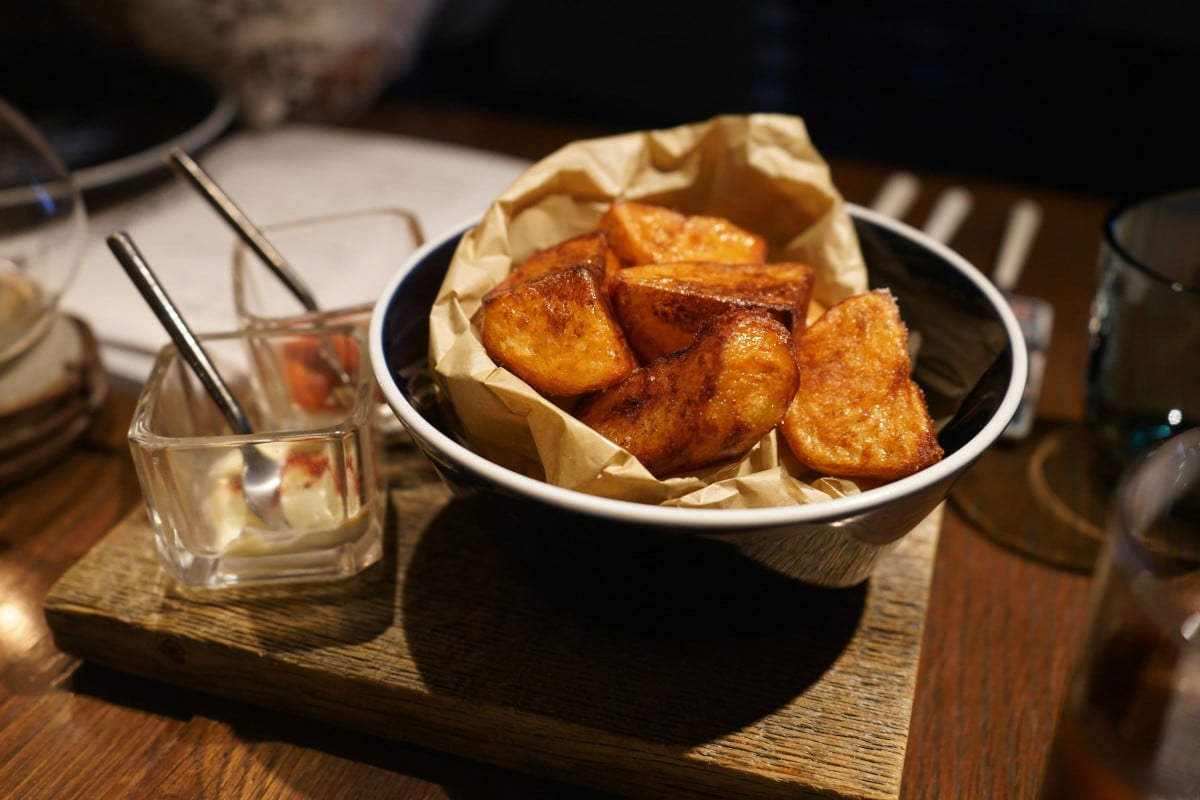
Guests eat with their eyes first. Well-styled plates with thoughtful garnishes and plating elevate even the simplest appetizer. A visually appealing dish encourages guests to share photos online, giving your restaurant valuable exposure at no extra cost.
- Appetizer Pairings and Recommendations
Empower your staff to suggest appetizer and drink pairings. Whether it's sparkling water with fried calamari or craft beer with spicy wings, good pairings enhance the dining experience. Educating your staff improves confidence and elevates the guest’s overall experience.
- Customer Feedback and Menu Adjustments
Monitor what sells and what doesn’t. Encourage feedback through your staff, quick response (QR) codes, or online surveys. Adjust your offerings based on customer feedback, so your menu evolves with demand.
3 Tech Insights for Smarter Appetizer Menu Management
Smart tech helps you track trends, manage performance, and present your appetizers in the best light possible.
- POS Systems for Appetizer Sales Analysis
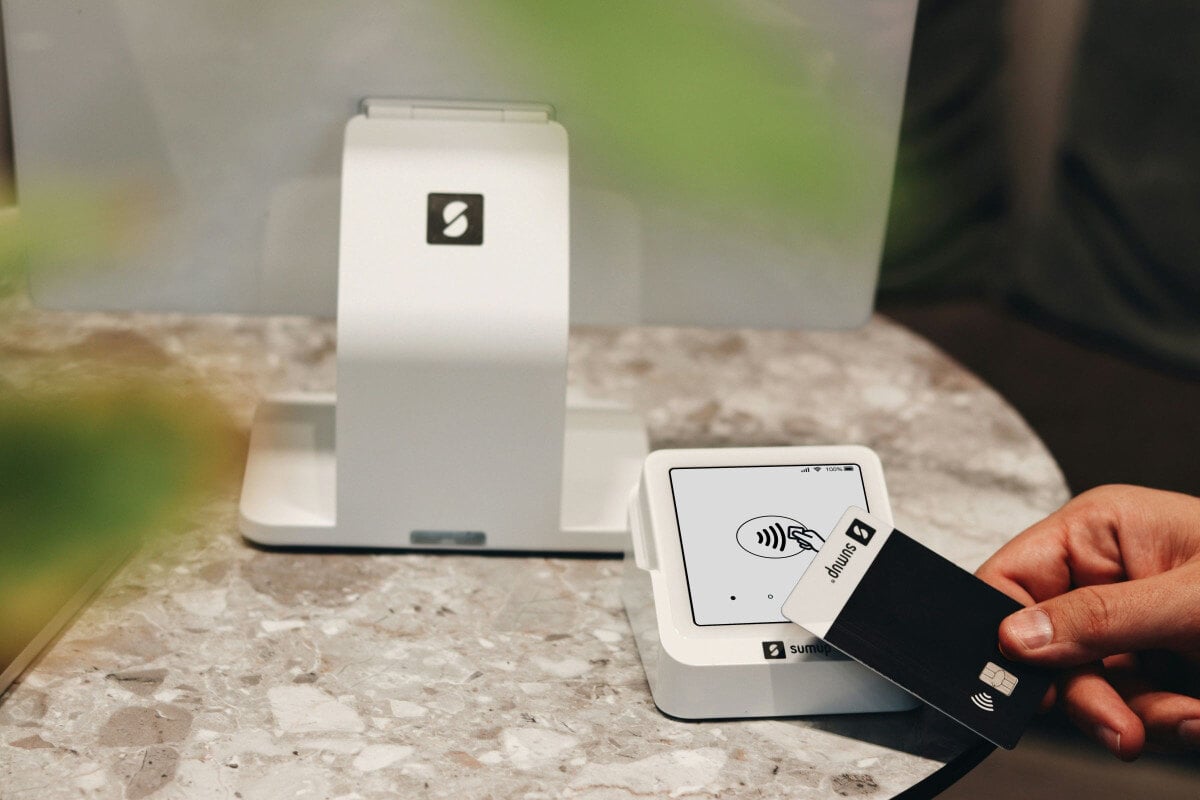
Use your point-of-sale (POS) system to analyze appetizer performance. Track what’s selling, when, and in which combinations. This data helps you make smarter decisions about pricing, portioning, and promotions.
- Online Ordering and Delivery for Appetizers
Make sure your appetizers work in takeout and delivery formats. Choose dishes that travel well, avoid sogginess, and hold temperature. Clear packaging and labeling are crucial to maintain quality off-premises.
- Digital Menu Boards and Visual Presentations
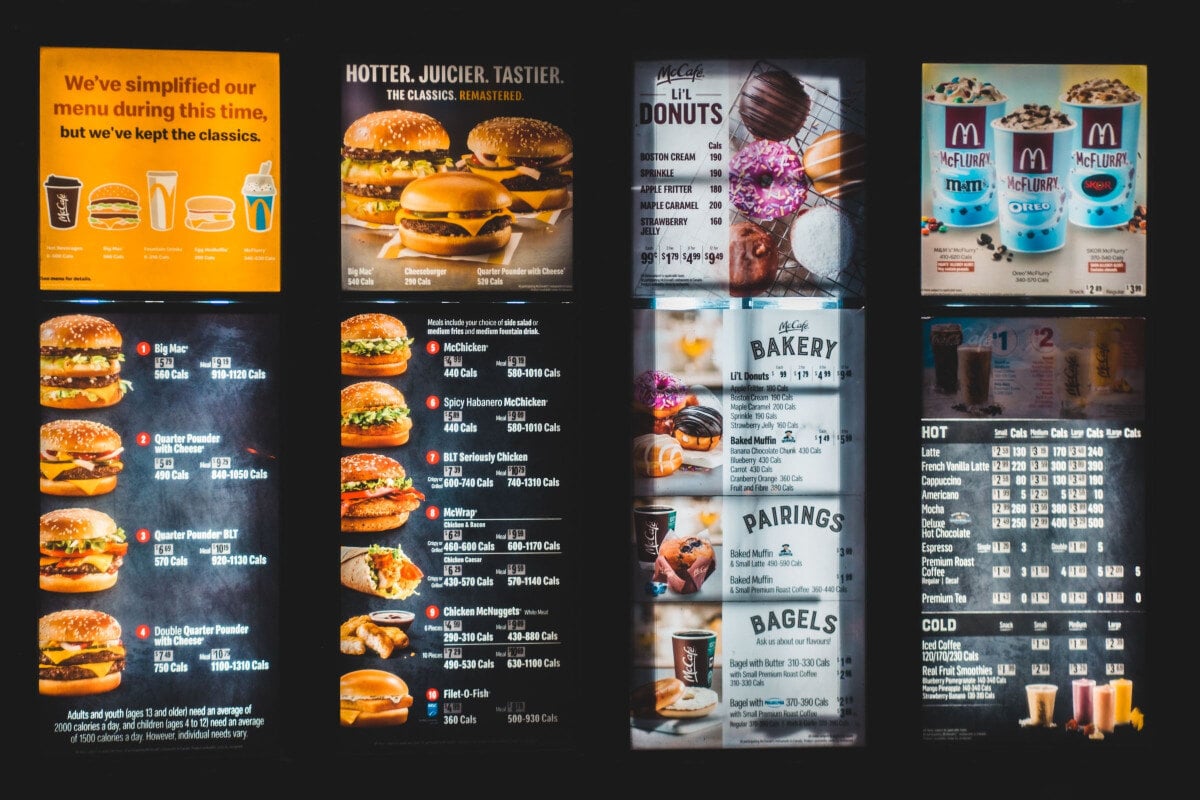
Incorporate visuals into your in-store experience. Digital menu boards let you highlight bestsellers, new items, or limited-time offers. Moving images or short videos of appetizers being prepared or pulled apart drive impulse orders.
Frequently Asked Questions About Restaurant Appetizers
What makes a restaurant appetizer menu profitable as well as appealing to guests?
A profitable appetizer menu balances low-food-cost ingredients with strong perceived value and high guest appeal. The most successful appetizers often use inexpensive base components like bread, pasta, or vegetables, and pair them with bold flavors or premium presentation to justify higher pricing.
Operators also rely on menu engineering to identify which appetizers drive both sales volume and margin. In many cases, the most popular items are not the most profitable, so performance data is essential for optimizing the mix.
How should restaurants price starters and appetizers to maximize margin without losing orders?
Appetizers should be priced based on contribution margin, not just ingredient cost, while still fitting within guest expectations for the restaurant type. The goal is to ensure each dish earns enough profit after food and labor costs without making it feel overpriced compared to entrées.
Many operators use a pricing structure where appetizers sit in a “value bridge” between drinks and main courses. Small price adjustments can significantly improve overall profitability without reducing order frequency.
What are the most popular restaurant starter trends driving incremental revenue in 2026[CF1] ?
The strongest appetizer trends in 2026 include shareable small plates, globally inspired flavors, and visually distinctive dishes designed for social media appeal. Items like sliders, loaded fries, and fusion-style bites continue to perform well because they are easy to share and encourage additional ordering.
There is also growing demand for flexible “snack-style” dining, where guests mix multiple appetizers instead of ordering a full entrée. This shift allows restaurants to increase check size while offering more variety per table.
How can a well-designed appetizer menu improve average check size and table turn rate?
A well-designed appetizer menu increases average check size by encouraging add-on ordering early in the dining experience. When servers or menus highlight starters effectively, guests are more likely to begin their meal with an extra dish, which increases total spend per table.
It can also improve table turnover efficiency when appetizers are designed for quick preparation and staggered delivery. This keeps kitchen flow smooth while still maximizing revenue per seating.
What is the ideal number of starters to include on a restaurant menu for maximum sales performance?
Most restaurants perform best with a focused appetizer selection, typically between five and ten items. This range provides enough variety for different guest preferences without overwhelming decision-making or complicating kitchen execution.
A tighter menu also makes it easier to identify high-performing items through sales data and remove low-margin or low-demand dishes. The optimal number ultimately depends on concept complexity and kitchen capacity.
How to Move Forward
Creating a successful appetizer menu takes more than great recipes. It requires strategy, flexibility, and a deep understanding of your guests. Whether you run an FSR or QSR, tailoring your starters to fit your format boosts satisfaction and drives repeat business.
Do you want to see how technology can help you streamline online ordering and highlight your top-selling appetizers? Schedule a demo with Paytronix to discover how our tools can support your appetizer strategy and grow your revenue.

 Michelle Casey




 Kristin Lynch : May 15, 2025