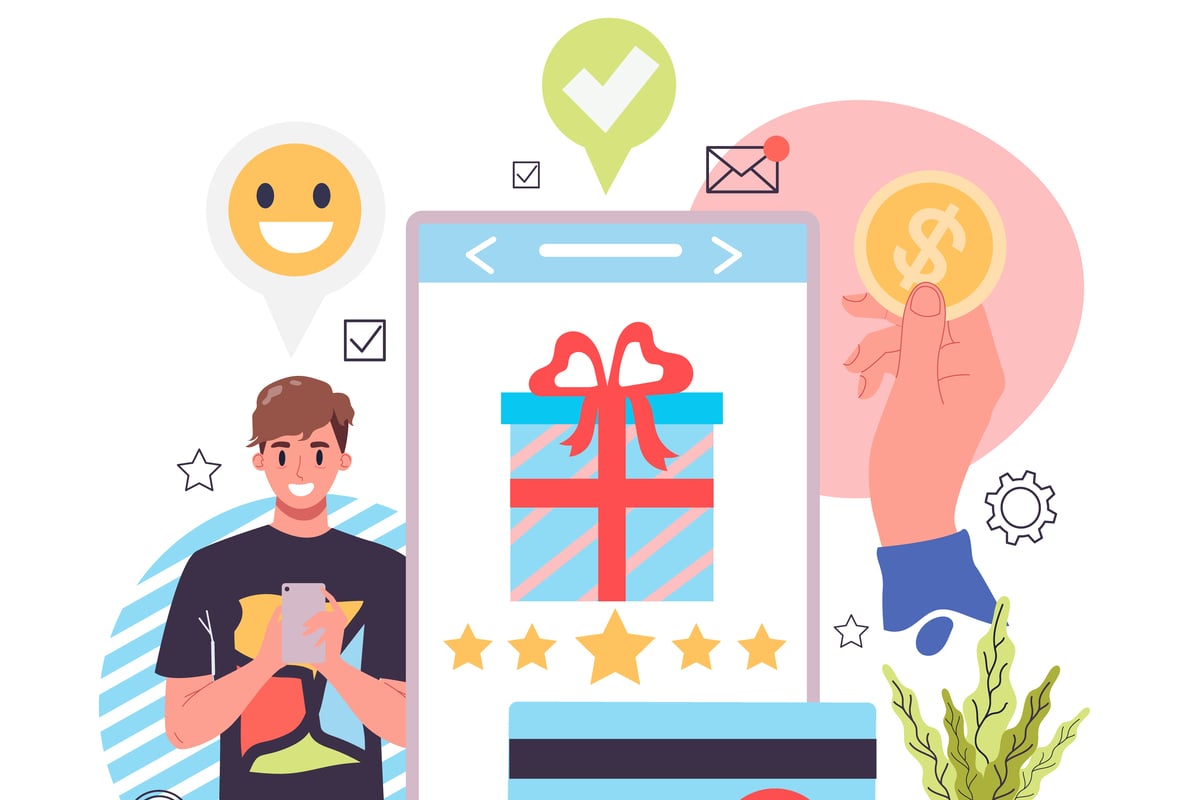
Brands with integrated loyalty and retention strategies achieve 45% higher customer lifetime value than those treating them separately, yet most multi-location restaurants, QSRs, and retail brands still run loyalty and retention as disconnected efforts. The result is redundant spend, inconsistent customer experiences, and CLV that plateaus despite healthy acquisition numbers.
Customer loyalty and retention work best when they are treated as one connected growth strategy.
When both are aligned, the effect compounds: loyal customers become easier to retain, and retained customers become more loyal over time. For restaurants, QSRs, and retail brands, the priority is to increase how often guests return, how much they spend, and how closely they stay engaged with the brand.
Discover the plays that make that happen, from building the right foundation and integrating technology, to advanced tactics, reward structures, and a practical implementation roadmap.
Before choosing the right tactics, it helps to understand what loyalty builds and what retention protects.
Understanding Customer Loyalty and Retention Fundamentals
Loyalty and retention are easier to improve when the commercial logic and program structure are clear.
The Economics of Loyalty and Retention
The economics of loyalty and retention start with a simple imbalance: acquisition usually costs far more than keeping an existing customer active. Acquiring a new customer can be 5 to 25 times more expensive than retaining an existing one, which makes repeat behavior a direct profit driver.
Even a modest 5% improvement in retention can drive profit increases of up to 95%, which means even modest improvements in keeping existing customers active have an outsized impact on the bottom line.
The spend difference is equally significant. Customers who return regularly tend to spend around 31% more per transaction than first-time buyers, over a longer relationship, that figure can climb to 67% more than a new customer would spend.
For multi-location restaurants and retail brands, small retention gains can quickly boost customer lifetime value. Higher customer retention rates give each acquisition dollar longer to pay back, while repeat visits create steadier revenue across locations.
To understand whether those gains are translating into stronger customer economics, teams need to look beyond campaign response rates and track retention rate, churn rate, repeat purchase rate, and customer lifetime value (CLV) together.
Building Your Foundation
Your foundation should connect the customer loyalty program with the business goal it is expected to support. Start with the behaviors worth increasing such as second visits, order frequency, higher-value baskets, app use, referrals, or cross-category purchases.
Each customer retention strategy should then support those behaviors without training guests to wait for discounts.
This is where many brand loyalty programs lose focus. Enrollment looks healthy, but the program has a weak link to margin, visit frequency, or customer lifetime value.
A stronger foundation gives teams a shared view of which customers they want to retain, what actions they want to encourage, and how the program should improve customer value over time. Building customer loyalty from this foundation, rather than relying on discounts alone, is what separates programs that drive long-term success from those that generate short-term spikes.
Strategic Loyalty and Retention Integration
The next step is coordination so that different customer interactions support the same commercial goal.
Creating Synergy Between Programs
Loyalty and retention strategies are more effective when they respond to the same signals. A guest who stops ordering a usual item, skips a typical visit window, or disengages from offers should not receive the same treatment as a customer who is still building routine behavior.
Loyalty data helps teams spot those differences early.
Points activity, offer redemption, visit frequency, and channel preferences can all guide retention efforts before customer churn becomes visible in revenue. High loyalty creates a base of retained customers that provides a consistent revenue stream, shielding the business from market volatility.
A loyal customer base also makes the business less vulnerable to competitor marketing efforts, since emotionally connected customers are less likely to switch based on a rival promotion alone. The aim is to make each touchpoint feel connected, from app messages to in-store recognition.
Technology and Systems Integration
Integration depends on a customer relationship management system that can connect loyalty activity, purchase history, offer response, and retention status in one usable profile. CRM systems are essential for modern customer loyalty and retention strategies because they give teams a more complete understanding of customers and support targeted, personalized interactions.
That profile needs clean data architecture behind it. Store-level transactions, app activity, email engagement, and loyalty program behavior should feed the same analytics layer, so teams can see combined impact instead of isolated campaign results.
Where automation earns its place is in scaling that personalization, delivering the right message to the right customer at the right moment across the entire base, without requiring marketers to build each interaction from scratch.
Advanced Loyalty Retention Tactics That Drive CLV
With the right data in place, retention can move from broad campaigns to timely customer-level action.
Predictive Analytics for Proactive Retention
Predictive analytics gives retention teams a way to act before a valuable customer fully lapses. Models can flag changes in customer behavior such as longer gaps between visits, lower average order value, fewer redemptions, or a sudden shift away from preferred channels.
Using data analytics to understand behavior and predict churn ensures customers feel valued and understood. Predictive data helps teams decide which customers need attention first, rather than treating every lapsed or slowing guest the same way.
A valuable guest with declining visit frequency may warrant a personal, high-value offer, while a newer member might need a lighter nudge tied to their last purchase. Machine learning can also improve customer lifetime value forecasts by learning which signals usually lead to repeat activity, declining customer engagement, or recovery after an intervention.
Personalization at Scale
Personalization at scale starts by grouping customers by value and engagement level, then using behavior to refine what each group receives. A high-frequency guest may respond to early access or a tailored reward, while a lapsing loyalty member may need an offer tied to the habits they already demonstrated.
Over 70% of consumers expect personalized interactions, and missing this mark can lead to frustration. For restaurants and retail brands, that makes relevance a retention issue as much as a marketing goal. AI-powered recommendations can help match products, offers, and timing to individual customer preferences, so campaigns feel less generic and more connected to the customer’s willingness to return.
Customer Loyalty vs. Customer Retention: Leveraging Both
Customer loyalty and retention often overlap, but treating them as identical can weaken strategy.
Understanding the Distinction
The distinction between customer loyalty and customer retention is useful because each metric shows a different type of progress. Customer retention refers to the ability of a business to keep customers over time, while customer loyalty is the emotional connection and commitment a customer has to a brand.
Retention metrics show whether customers continue buying. Loyalty signals show whether they prefer the brand, recommend it, and stay engaged when competitors are competing for the same visit or purchase.
That distinction helps teams allocate marketing budgets more carefully. Weak repeat behavior may call for stronger retention offers, while steady visits with low advocacy may point to a deeper loyalty problem.
Balanced Approach Implementation
A balanced approach gives each program a defined job. Retention activity should protect valuable customers from lapsing, while loyalty activity should deepen preference once the relationship is active enough to influence.
Measure both sides together but avoid rewarding the wrong behavior. A discount-heavy program may lift repeat purchases while weakening margin or brand attachment. A brand-led customer loyalty strategy may earn strong sentiment without enough repeat sales to justify the cost.
Better programs connect marketing incentives to commercial outcomes and use customer response data to refine what happens next. Brands that do this well treat loyalty and retention as shared revenue work, with commercial and operations teams using the same customer view.
Data-Driven Strategies for Maximum Impact
Customer value improves faster when teams combine what guests say with how they behave.
Customer Feedback Integration
Customer feedback gives retention teams the context behavior alone can miss. Post-visit surveys and support notes can show why a guest’s frequency changed, whether an offer felt relevant, or where the customer experience created friction.
Net Promoter Score is a widely used metric for measuring customer loyalty, asking customers how likely they are to recommend a brand on a 0–10 scale. The useful work comes after the score. Follow up with detractors, learn what would change their next visit, and feed those findings into retention campaigns. A closed feedback loop can turn frustration into better customer relationships before guests stop returning.
Behavioral Analytics and Insights
Behavioral analytics shows how customers buy, not just what they say in feedback. Visit cadence, basket mix, channel choice, redemption behavior, and daypart patterns can reveal which guests are becoming more valuable and which ones are drifting.
For multi-location brands, this helps teams avoid treating the whole customer base as one audience. Higher-value segments may need early access, bundled offers, or reminders tied to familiar habits. Lower-engagement groups may need simpler prompts that encourage the next visit without giving away margin.
The best engagement strategies use customer data to match timing and messaging to the behavior most likely to lead to future purchases.
Engagement Strategies That Foster Long-Term Relationships
Strong engagement keeps the relationship active between visits without relying on constant discounts.
Multi-Channel Engagement Approaches
Multi-channel engagement should feel consistent to the customer, even when timing and format change by channel. A loyalty member might see an expiring reward in the app, receive an email tied to their usual order, and later encounter social media content that reinforces the same brand relationship.
For restaurants and retail brands, mobile-first engagement fits the way many guests decide what to buy and when to visit. Email can support repeat purchases with richer context, while social channels can keep loyal customers engaged beyond transactions.
For brands with an active following, building a community space can deepen that engagement further, giving customers a reason to stay connected to the brand between visits.
The key is coordination. Each channel should reflect the same customer data, so messages feel connected instead of scattered.
Content and Communication Excellence
Good communication gives customers a reason to pay attention before an offer appears. Restaurants and retail brands can use stories around menu launches, seasonal products, community activity, or member-only access to make customers feel closer to the brand.
Educational content can also support retention when it helps customers get more from what they already buy. A c-store might highlight fuel rewards or meal deal combinations. A restaurant might explain limited-time items or app-only benefits.
Loyal customers provide honest, constructive feedback and share zero-party data, such as stated preferences or interests, which helps brands refine products and personalize experiences. That exchange becomes more valuable when messages feel useful, specific, and worth opening.
Reward Structures That Maximize Lifetime Value
Rewards should give customers a useful reason to return while protecting long-term value.
Designing Effective Loyalty Programs
An effective loyalty program should make progress easy to understand and worth pursuing. Points can encourage repeat sales, but the earning structure needs to protect margin and avoid rewarding low-value behavior.
A tiered model can add motivation when the next level feels close enough to reach and meaningful enough to care about.
The reward mix should extend beyond discounts. Experiential rewards, early access, member-only products, or partner benefits can raise perceived value without cutting price every time.
For restaurants, that might mean tasting access or app-only perks. For c-stores, it could include fuel and merchandise benefits that fit frequent routines.
Retention-Focused Incentives
Retention-focused incentives should respond to where the customer is in the relationship. A lapsed guest may need a win-back offer tied to a product they used to buy, while an active customer may respond better to a milestone reward or unexpected bonus that reinforces the habit.
The offer should match the risk and value of the customer. A higher-value guest deserves a stronger save attempt than a low-frequency customer with limited margin impact.
Surprise rewards can make customers feel noticed, especially when they connect to known behavior. Referral incentives can also extend the customer base, but they work best when existing customers already have a reason to recommend the brand.
Measuring and Optimizing Performance
Once the program is active, teams need a practical way to judge whether it is earning its place.
Key Performance Indicators
Start with metrics that show whether the program is changing durable customer behavior. Customer retention rate (CRR) measures the percentage of customers retained during a set period. Here’s the formula:
CRR = ((customers at end of period - new customers) / customers at start of period) x 100.
Pair CRR with churn rate, loyalty participation, active member rate, repeat purchase rate, and customer lifetime value. Participation should be treated as a starting signal, not proof of performance. Once teams know who is enrolled and active, the better question is whether members visit more often, spend more per visit, and stay active longer than comparable non-members.
Continuous Improvement Framework
Continuous improvement should be built into the program calendar, not handled only when performance dips. Test one variable at a time, such as offer value, timing, audience, or creative, so the results are easier to trust.
A regular audit should check whether rewards still match customer behavior, margins, and competitive pressure. Benchmark against nearby competitors and category leaders, but keep the main focus on internal ROI. Reporting should show which changes increased repeat activity, protected valuable customers, or reduced churn, so leadership can see what deserves more investment.
Industry-Specific Applications
Industry context helps turn broad loyalty ideas into programs customers are more likely to use.
Restaurant and QSR Strategies
Restaurant and QSR loyalty strategies often work around visit frequency. A breakfast guest, a weekday lunch customer, and weekend family buyer may all need different prompts to return. Seasonal menu items can create timely reasons to visit, especially when loyalty members receive early access or targeted reminders.
Group dining also creates retention potential. Family bundles, catering rewards, or shared ordering incentives can increase spend while keeping the brand in the customer’s routine. Digital ordering should connect the experience, so app behavior, favorites, and previous orders inform the next offer.
Retail and C-Store Approaches
Retail and c-store retention often relies on making frequent, low-friction purchases feel worth repeating. Category-specific offers can encourage customers to add the next item, such as pairing coffee with breakfast food or linking a fuel visit to an in-store reward.
Fuel and merchandise bundling works best when it reflects common trip patterns rather than forcing an unrelated promotion. Localized offers can also support community-based retention, especially for stores with regular commuters or neighborhood shoppers.
The goal is to turn routine stops into more valuable habits without making the program feel complicated.
Overcoming Common Challenges
A strong plan still needs the budget, ownership, and internal support to hold up once the work begins.
Resource and Budget Constraints
Budget pressure should push teams to prioritize the initiatives most likely to prove value early. Start with customer retention strategies that use existing customer data, current channels, and offers the business can afford to repeat. Small tests around lapsed guests or more valuable segments can prove impact before a broader rollout.
Vendor partnerships can also help fund category-specific rewards, especially in c-store and retail programs. A phased approach keeps spend tied to evidence, so teams can expand the parts that improve retention, margin, or customer lifetime value.
Organizational Alignment
Organizational alignment starts with a clear business case. Business leaders need to see how loyalty and retention support revenue and customer lifetime value, while operators need to understand how their teams affect the customer experience.
Marketing, operations, finance, and store teams should agree on ownership before campaigns launch. This includes who approves offers, who handles local execution, and how staff will recognize loyalty members.
Training helps staff deliver the program consistently in daily service, so customers experience the strategy instead of just receiving another promotion.
Bringing frontline teams into the process early, explaining the reasoning behind program changes, not just the mechanics, tends to produce faster, more consistent adoption across locations.
Future Trends in Loyalty and Retention
The next phase of loyalty will depend on how well brands use technology while strengthening customer trust.
Emerging Technologies
Emerging technology should be judged by how well it improves the customer relationship. The best use cases will build on the data foundation already in place, helping teams make faster decisions without making the experience feel automated.
AI and machine learning will likely have the widest near-term role, especially in offer selection, churn prediction, and customer timing. Blockchain-based loyalty may support portable rewards, while augmented reality and voice commerce could create new engagement moments where they fit the customer journey naturally.
Evolving Customer Expectations
Customer expectations are rising around speed, transparency, and control. Guests increasingly expect rewards to be simple to earn and instant to use, programs that introduce friction at the point of redemption risk losing the very customers they are trying to retain.
Brands that remove that friction will find it translates directly into a competitive edge, particularly as more operators in the restaurant and retail space raise the baseline.
Guests may welcome more tailored offers, but they also want confidence that their data is being used responsibly. That balance will shape the next generation of loyalty and retention programs.
Values alignment will also influence customer loyalty, especially when brands can connect sustainability or community commitments to clear action. The strongest programs will give customers more control, make rewards easier to use, and explain the value exchange behind personalization.
Implementation Roadmap
Implementation works best when teams prove value early and build from what the data supports.
Quick Wins (30 Days)
In the first 30 days, focus on changes the team can act on without rebuilding the program. Identify high-value customers who have slowed down and loyalty members who enrolled but never returned.
Also reviews offers with weak redemption or poor margin impact.
Run one or two targeted tests using existing channels. For example, send a tailored win-back offer to lapsed valuable guests or refresh a reminder tied to an expiring reward.
Early success should be judged by reactivation and repeat visits, with margin impact checked before any rollout.
Long-Term Transformation (90+ Days)
After 90 days, the priority is to turn early learning into an operating model. Use the test results to decide where budget should move, which segments deserve deeper investment, and which offers should be retired.
Successful initiatives can then be scaled across more locations or channels with a steadier operating rhythm and reporting cadence. This is also the point to build capability inside the business, from better data access to staff guidance, so loyalty and retention become part of regular commercial planning.
Frequently Asked Questions About Guest Loyalty and Retention
These quick answers clarify a few common questions around loyalty, retention, and repeat customer behavior.
What are the 3 Rs of customer loyalty?
The 3 Rs of customer loyalty are usually recognition, rewards, and relevance. Recognition means using customer data to treat returning guests as known customers. Rewards give them a useful reason to come back. Relevance keeps offers and messages tied to behavior, helping the program support retention without overwhelming customers.
What is the 80/20 rule in customer retention?
The 80/20 rule in customer retention suggests that a relatively small group of customers often drives a large share of revenue. Teams can use this thinking to give high-value guests more attention and avoid spreading the retention budget evenly across customers who do not contribute the same long-term value overall.
What are two major ways to encourage greater customer retention in restaurants?
Restaurants can improve retention by making loyalty rewards easier to use and personalizing offers around visit habits. A frequent lunch guest should receive different prompts from someone who only orders occasionally through the app.
Quality of service is also crucial because poor experiences weaken repeat behavior, even when a reward offer looks attractive.
Your Path to Maximized Customer Value
Customer loyalty and retention improve customer value when teams connect the mechanics behind the program with the behavior they want to change. Start with the customers most likely to respond, test offers against clear retention and margin goals, and use the results to decide where to scale.
Over time, the gains compound. Better data sharpens decisions, more relevant rewards increase repeat visits, and clearer operating habits help the program become part of everyday commercial planning. The brands that see the strongest lifetime value growth are not necessarily those with the most sophisticated programs, they are the ones that treat loyalty and retention as a single system, where each side reinforces the other and the value of every customer relationship grows over time.
For restaurants, QSRs, and retail brands, this is where lifetime value starts to grow more predictably.
For more on using customer data effectively, explore Paytronix's Personalization Mini Report and see how an integrated platform can support smarter loyalty and retention.

 Julia Bigwood



 Michelle Casey : Apr 10, 2026