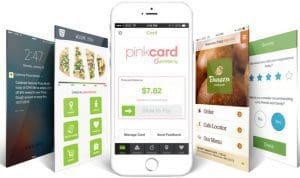
Combining online ordering, loyalty, omnichannel messaging, AI insights, and payments in one suite. Paytronix delivers relevant, personal experiences, at scale, that help improve your entire digital marketing funnel by creating amazing frictionless experiences.
A Complete Guest Engagement Suite Online Ordering Acquire new customers and capture valuable data with industry leading customization features. Loyalty Encourage more visits and higher spend with personalized promotions based on individual activity and preferences. Catering Grow your revenue, streamline operations, and expand your audience with a suite of catering tools. Kiosks Boost revenue and loyalty with self-service kiosks. Payments Drive brand engagement by providing fast, frictionless guest payments. In Restaurant Ordering Ordering inside your four walls with Kiosks and Pay-At Table
Customer Success Plans (CSPs) are tiered service offerings designed to help you get the most from your Paytronix software, whether you prefer self-guided support or hands-on partnership.
Contactless Experiences Accommodate your guests' changing preferences by providing safe, efficient service whether dining-in or taking out. Customer Insights Collect guest data and analyze behaviors to develop powerful targeted campaigns that produce amazing results. Marketing Automation Create and test campaigns across channels and segments to drive loyalty, incremental visits, and additional revenue. Mobile Experiences Provide convenient access to your brand, menus and loyalty program to drive retention with a branded or custom app.
Subscriptions Create a frictionless, fun way to reward your most loyal customers for frequent visits and purchases while normalizing revenues. Employee Dining Attract and retain your employees with dollar value or percentage-based incentives and tiered benefits. Order Experience Builder Create powerful interactive, and appealing online menus that attract and acquire new customers simply and easily.
Loyalty Programs High-impact customizable programs that increase spend, visit, and engagement with your brand. Online Ordering Maximize first-party digital sales with an exceptional guest experience. Integrations Launch your programs with more than 450 existing integrations.
Loyalty Programs Deliver the same care you do in person with all your digital engagements. Online Ordering Drive more first-party orders and make it easy for your crew.
Loyalty Programs Digital transformations start here - get to know your guests. Online Ordering Add a whole new sales channel to grow your business - digital ordering is in your future. Integrations We work with your environment - check it out Tobacco Reporting Comply with AGDC 2026 DTP Requirements
Resources Paytronix Resources Learn how to create great customer experiences with our free eBooks, webinars, articles, case studies, and customer interviews. FlexPoint Service Catalog Access FlexPoints are a cost-effective, flexible way to access our value-added services, to ensure you get greater impact from your Access software solution.
See Our Product In Action E-Books Learn more about topics important to the restaurant and c-store customer experience. Reports See how your brand stacks up against industry benchmarks, analysis, and research. Blog Catch up with our team of in-house experts for quick articles to help your business. Webinars Webinars to help you learn strategies to use customer loyalty and rewards programs to increase sales and revenue for restaurants and retailers. Worksheets Practical templates built for the decisions that matter: loyalty program design, menu engineering, guest engagement strategy, and more. Download any worksheet directly, no form required. Case Studies Learn how brands have used the Paytronix platform to increase revenue and engage with guests.
Turn Your Pump Traffic Into Prepared Food Revenue.
C-stores using location-based digital ordering are generating $2.30 more per fueling transaction from guests who are already there. This report shows exactly how they do it.
Recently the (FASB) Financial Accounting Standards Board and (IASB) International Accounting Standards Board got together to try to make “revenue” mean the same thing in every industry and every country.
And while that might sound easy, it turns out that the US alone is notorious for having different rules for different economic sectors. So, the FASB and IASB set out to fix that.
New Accounting Policies Have Begun
In 2018, the new model guidelines they set for public companies went into effect. And in 2019? They go into effect for private companies.
In a nutshell, these guidelines are going to affect nearly every program you run as part of your rewards or loyalty program. The new accounting rules for loyalty programs—even programs as simple as “buy 9, get 1 free”—may force you to change how you represent the costs and revenue in your accounting system.
This Webinar Explains the Details
In the webinar, Andrew Robbins provides examples for both simple “buy 9, get 1 free” programs, plus more complicated points-based programs.
It’s likely that you track your “buy 9, get 1 free”-type program with an incremental cost/expense accrual accounting model. You’ll hear why the new accounting rules for loyalty programs will require you to change to a deferred revenue model.
You’ll also learn why some types of loyalty programs need to switch to deferred revenue models, others don’t. For example, while rewards programs need to switch to the deferred revenue model, general offers can remain on the incremental cost model. But what about e-clubs and challenged-based promotions? We’ll dig into those as well.
Take advantage of the 5-step process for implementing these new accounting rules for loyalty programs.
Learn everything you need to know, with plenty of examples to help make the concepts clear. You can even download the video to review with your own accounting team.

 Kristin Lynch

 Recently the (FASB) Financial Accounting Standards Board and (IASB) International Accounting Standards Board got together to try to make “revenue” mean the same thing in every industry and every country.


 Michelle Casey : Feb 19, 2019