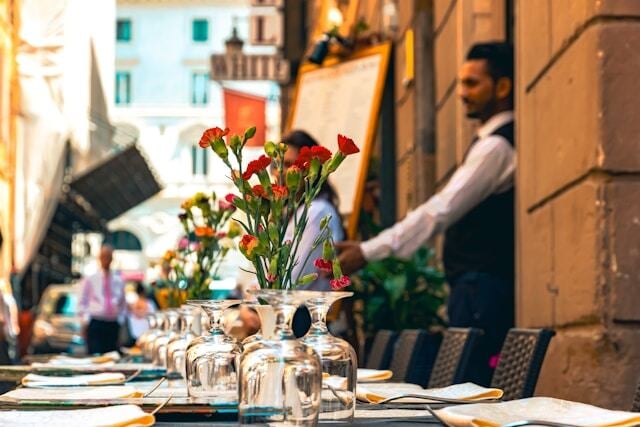
Every restaurant or hospitality brand that outperforms the competition consistently has one thing in common: They design experiences with revenue in mind. Each touchpoint in the guest journey, from browsing your website to walking out the door, is an opportunity to encourage higher spending, yet many operators leave money on the table with generic, unintentional interactions.
In this guide, you’ll learn proven experience design plays that help you influence guest behavior and lift revenue quickly. By shaping physical, digital, and service touchpoints strategically, you can turn every moment of the guest journey into a thoughtful opportunity for customer engagement, upsell, and loyalty.
What Is Experience Design, and Why Does It Drive Revenue?
Experience design goes beyond making things look nice; it’s about shaping every interaction your guests have with your brand.
For restaurants and hospitality operators, it connects physical spaces, digital tools, and human interactions into a cohesive journey that guides guests toward higher spend and stronger loyalty.
Experience Design Definition for Hospitality Operators
Experience design in hospitality is the deliberate crafting of every moment a guest interacts with your brand: From walking in the door, browsing the menu, to completing an online order or paying the bill.
Unlike service design, which focuses primarily on staff workflows, or user experience (UX) design, which tends to center on digital interfaces, experience design blends physical, digital, and human touchpoints into a seamless journey.
Thoughtful design of each interaction shapes how guests perceive value and influences their spending behavior. For example, the layout of your dining area, the flow of your online ordering platform, and the way staff recommend add-ons all work together to guide choices, create memorable moments, and encourage higher ticket orders.
Define Experience Design as a Revenue Strategy
Good experience design delights your guests, but beyond that, it also drives restaurant revenue. By shaping how people interact with your restaurant or hospitality brand, you can influence purchasing decisions and increase average spend. Optimize every touchpoint from menu presentation to staff recommendations to encourage add-ons, premium choices, or repeat orders.
Psychology plays a key role. Principles like anchoring and choice architecture guide how guests evaluate options, while emotional cues can increase willingness to pay. Designed experiences consistently outperform generic guest journeys because every detail aligns with commercial outcomes.
Why Experience Design Is Important for Guest Spend
Experience design directly impacts how much guests are willing to spend. Research shows that people pay a premium for experiences that feel thoughtfully crafted, whether it’s a visually engaging menu, a smooth ordering process, or memorable in-restaurant moments.
Beyond pricing, well-designed experiences create differentiation in crowded markets. Understanding your target audience and their pain points allows you to design moments that feel personal and intentional, encouraging higher spend while reinforcing loyalty. Aligning your touchpoints to delight and guide guests makes your brand stand out from competitors who leave experiences to chance.
Design an Experience That Guides Guests to Higher Spend
Every interaction your guests have, regardless of whether it’s online, in your restaurant, or with your staff, is a chance to influence spending. Rather than leaving purchases to chance, you can use experience design to guide decisions, highlight high-margin items, and create a journey that feels seamless and rewarding.
Mapping the Guest Journey for Spend Opportunities
Start by tracing every touchpoint your guests encounter, from discovery to departure. This includes your website, mobile app experiences, in-store signage, table layout, and staff interactions. At each point, ask where a well-designed moment could encourage higher spend, like highlighting a chef’s special, suggesting a complementary side, or making it easier to add extras during checkout.
Once you’ve mapped the journey, prioritize touchpoints with the most impact. Some moments, like the menu or checkout, offer bigger opportunities to influence order value than others. By focusing on these high-leverage points, you can create intentional experiences that guide guests naturally toward larger purchases without feeling pushy or forced.
Behavioral Psychology in Experience Design
Behavioral psychology allows you to shape guest decisions without pushing them overtly. Concepts like choice architecture, anchoring, and framing influence how people perceive value and make selections. For example, placing a premium item next to a standard option can make the standard seem like a better deal, encouraging upsells subtly.
Understanding how guests respond to options allows you to design for decision-making, not satisfaction. Small cues, like recommended pairings, highlighted add-ons, or ordering prompts, can nudge guests toward higher-value choices while keeping the experience enjoyable.
Creating Emotional Peaks That Drive Premium Purchases
Guests remember experiences that feel special, and those moments can influence how much they’re willing to spend. By designing emotional peaks, which are high points in the experience, you give people reasons to splurge and treat themselves. This could be a surprising menu addition, a beautifully plated dish, or a personalized greeting that makes the visit feel unique.
Small, memorable touches create a sense of delight that lingers beyond the moment. When guests feel genuinely impressed or pleasantly surprised, they are more likely to choose premium items, add extras, or upgrade their order.
Experience by Design: Physical Environment Plays
The physical environment shapes how guests interact with your brand and influences the choices they make. Thoughtful layout, sensory cues, and presentation create moments that encourage higher spending while making the experience feel seamless and enjoyable.
1. Layout and Flow That Maximize Exposure to Revenue Drivers
The way guests move through your space affects what they notice and, ultimately, what they buy. Strategic placement of high-margin items, specials, or add-ons along natural traffic patterns increases the chances of impulse purchases without feeling pushy.
Clear pathways reduce friction, making it easier for guests to explore and engage with more offerings. Removing obstacles or confusing layouts keeps attention on your products rather than navigation.
Well-considered flow ensures guests encounter revenue-driving opportunities at the right moments. Small adjustments to layout can lift spend significantly by guiding guests past premium items and experiences they might otherwise miss.
2. Sensory Design Elements That Influence Spending
The atmosphere of your space, including how it looks, sounds, and feels, shapes guest perception and behavior more than most operators realize. Lighting, music, and scent create a mood that encourages guests to linger, explore, and consider premium options. Temperature, acoustics, and seating comfort all affect how long they stay and how much they order.
Aligning sensory elements with your brand and experience goals makes every visit feel cohesive and intentional. Guests notice when a space feels balanced and welcoming, and those positive impressions can lead to higher engagement, greater satisfaction, and increased spend.
3. Menu Design and Presentation as Experience Touchpoints
Menus are a key part of the guest experience and a tool for guiding spend. Thoughtful menu design, whether on printed menus, digital boards, or table displays, sets expectations for quality and encourages higher-ticket choices.
Visual hierarchy, clear pricing, and strategic placement of specials or add-ons help guests make decisions quickly. Highlighting premium items or bundled offerings without cluttering the page subtly nudges guests toward upsells.
Even small details, like elegant typography, imagery, or table presentation, signal quality, and value. When menus feel intentional and easy to navigate, guests are more likely to try featured items and increase their overall order.
Digital Experience Design Plays That Lift Online Spend
The way guests interact with your digital ordering platforms, including your websites, mobile apps, and online menus, has a direct impact on how much they spend. Every touchpoint, from browsing to checkout, is an opportunity to guide decisions and increase basket size.
4. Website and Mobile Apps Experience Optimization
Thoughtfully organized menus help guests make quick decisions without feeling overwhelmed by highlighting popular items and high-margin offerings. Clear navigation, search, and filters make it effortless to find what they want, which keeps them engaged longer and more likely to add extras.
Checkout is another critical touchpoint. Reducing steps, offering guest checkout, and making payment options obvious keep the momentum from breaking.
Strategic suggestions, like complementary items or seasonal specials, can encourage higher-ticket orders without feeling pushy. Personalization, based on past orders or preferences, adds relevance and nudges guests subtly toward items they might have otherwise missed.
5. Designing Interfaces That Encourage Add-Ons and Upsells
Interface elements like modifiers, suggested pairings, or seasonal options can make choices clearer and more appealing. Using contrast, spacing, and strategic placement ensures that these extras are noticeable without overwhelming the guest.
Smooth interactions matter. Guests should be able to swap toppings, upgrade drinks, or add sides without losing track of their main order. Contextual cues, such as “Most guests enjoy this with …” or highlighting chef specials, help guests discover options naturally and feel in control of their selections.
6. Data-Driven Personalization in Digital Experience
Personalization is a powerful tool: It transforms generic digital experiences into moments that feel crafted intentionally for each guest. By analyzing order history, preferences, and behavioral patterns, you can highlight items or promotions that match a guest’s tastes and habits. Use recommendation engines to suggest add-ons, seasonal specials, or bundle deals at the right point in your guest’s journey.
At the same time, personalization must balance relevance with privacy expectations. Guests notice when experiences feel tailored vs. intrusive. Thoughtful data-driven design signals that the brand understands them, building trust and engagement.
Using these insights consistently across mobile apps, websites, and digital menus keeps interactions relevant, timely, and seamless, ultimately increasing guest satisfaction, encouraging repeat visits, and driving higher overall spend.
Service Experience Design Plays for Higher Tickets
Your staff is one of the most powerful levers for increasing guest spend. Thoughtfully designed service interactions can turn routine orders into opportunities for upsells, add-ons, and memorable experiences that guests are willing to pay more for.
7. Scripting Staff Interactions for Natural Upsells
One surefire way to increase guest spend is training your team to make recommendations with confidence. Of course, these upsells work best when they feel conversational and genuine, not forced.
Role-playing these scenarios enables staff to internalize the approach, so it becomes second nature during service. When team members act as experience designers rather than order takers, each interaction becomes a chance to add value for both the guest and the business.
8. Timing and Pacing Designed for Maximum Spend
How you pace the dining experience can influence how much guests order. Serving courses with intentional timing allows guests to enjoy each dish while leaving space for additional items like appetizers, sides, or desserts.
Staff can time check-backs strategically to suggest extras without being intrusive. Managing wait times ensures that guests stay engaged rather than getting impatient or skipping add-ons.
Every decision about timing, from when to deliver drinks to how long to wait between courses, affects spending momentum. Thoughtful pacing keeps your guests comfortable, attentive, and more likely to explore premium options throughout the meal.
9. Recovery Experiences That Protect and Increase Spend
When an issue occurs during a guest’s visit, how your team responds is crucial. Empowering staff to handle complaints quickly and thoughtfully makes guests feel heard and valued, which encourages them to stay engaged with your brand.
Recovery interactions can include offering a replacement item, a complimentary add-on, or a personalized apology that shows attention to the guest’s needs. These moments build trust and loyalty, making guests more likely to return and explore higher-ticket items.
Clear guidance and tools for staff make it easier to respond to issues without hesitation. Guests who see their concerns addressed with care are more likely to finish their current order and spend more in future visits.
Loyalty and Engagement Experience Design
Loyalty programs and ongoing engagement create repeated opportunities for guests to spend. Thoughtful design of these experiences allows guests to feel recognized, valued, and connected to your brand, making them more likely to return frequently.
10. Designing Loyalty Experiences That Drive Frequency and Spend
Loyalty program design works best when it gives your guests reasons to come back and spend more, without feeling transactional. Structuring tiers, rewards programs, and status levels around meaningful experiences, like early access to specials or bonus points for premium items, creates a sense of progress and recognition that encourages repeat visits.
The way rewards are presented can influence spending patterns subtly. Highlighting options that feel aspirational, like premium menu items or limited-time offers, nudges guests to consider higher-value purchases. Clear communication of benefits, combined with simple ways to redeem rewards, keeps the experience enjoyable and motivates guests to interact with your program regularly.
11. Communication Design That Prompts Action
Effective messaging guides your guests to take the next step, whether that’s ordering a new item, redeeming a reward, or visiting the restaurant again. Timing, frequency, and clarity all matter. Messages that arrive at the right moment and present a clear opportunity are far more likely to prompt engagement than generic or poorly timed outreach.
Personalization makes these communications feel relevant rather than pushy. Using data to tailor offers based on past orders, preferences, or visit history allows guests to see value immediately. Simple design cues like clear buttons, concise copy, and appealing visuals make it easy for them to act on the message without friction.
12. Community and Belonging Experiences That Build Spend Habits
Guests are more likely to spend when they feel they are part of a larger purpose rather than just a transaction. Creating insider experiences, like early access to new menu items, members-only events, or special tastings, gives your guests a sense of belonging and makes interactions feel personal rather than transactional.
Exclusive experiences can turn casual visitors into regulars who look forward to your offers. When people feel connected to your brand, they are more willing to try premium items or add extras to their order. Small touches, like acknowledging frequent guests by name or highlighting their preferences, make the experience feel thoughtful.
Experience Design Process for Hospitality
Designing experiences that influence guest spend requires a structured approach. You need a clear process to identify where guests make decisions, what motivates them, and which touchpoints have the biggest impact on revenue.
Conducting User Research for Guest Spend Insights
You can’t design better experiences if you don’t understand how guests behave. Conducting user research enables you to see what people do, not what they say. Watch how guests move through your space, how long they study the menu, where they hesitate, and what they ask your staff. These everyday moments reveal what matters most to your customers.
Start simple. Listen to frontline teams, review feedback, and observe real orders during busy and quiet periods. This user research highlights common patterns, like where guests get stuck or when they are most open to suggestions. It also surfaces hidden pain points that quietly limit spend.
From Design Ideas to Tested Plays
Good ideas only matter if they work in real life. Instead of debating changes in meetings, put them in front of guests quickly. Start small. Try a new menu layout, tweak the timing of a staff check-in, or add a simple prompt to your ordering flow. These early tests don’t need to be perfect. They need to be visible.
This is your design process in action. You come up with design ideas, run a short testing phase, then adjust based on what happens. Sometimes, that means sketching service steps with paper prototypes. Other times, it’s making a quick change to a screen or web page. Analyze changes to your spend impact data and continue iterating from there.
Implementing Experience Design Across Locations
Once a successful approach is proven in one location, the next step is rolling it out consistently across all sites. Start by documenting exactly what changed, when it happens, and who is responsible. Whether it’s a new way staff recommends drinks or an update to your digital ordering flow, your teams need clear, practical instructions they can follow.
Another important piece is training; this should feel hands-on. Walk through real scenarios and show how the experience should feel from a guest’s point of view. This keeps execution consistent across different stores and shifts.
Measuring Experience Design Impact on Spend
If you want experience design to drive real results, you need to track what’s changing guest behavior. Measuring spend alongside guest actions enables you to see which ideas are working and which ones need adjusting.
Key Metrics for Experience-Driven Revenue
Start by tying specific experience changes to clear numbers. Track average order value, attach rate on add-ons, dessert or drink conversion, and how often guests come back. These give you a direct view of whether a new menu layout, service script, or digital flow is increasing spend.
Look at patterns over time, not one-off spikes. For example, if a small change lifts beverage sales for several weeks, that’s a signal it’s influencing behavior in a lasting way. Simple data analysis like this allows you to focus on what moves revenue, instead of guessing which ideas matter most.
A/B Testing Experience Design Elements
A/B testing lets you compare two versions of the same experience and see which one performs better. Test where add-ons appear in the ordering flow, how you frame specials on a menu, or when you show dessert prompts. Keep it simple and change one thing at a time so you know what caused the result.
Start with areas that affect spending directly, like checkout, featured items, or staff prompts. Run each test long enough to spot real trends, then keep what works and drop what doesn’t. Over time, this rhythm drives steady improvements, letting real guest behavior and spend data, not just what your gut is telling you, shape your design process.
Building the Business Case for Experience Investment
To get buy-in from senior leadership, tie every experience change back to clear numbers. Show how a new menu layout lifted average tickets, or how a small flow change in ordering reduced drop-offs. When you connect design decisions to revenue, it’s much easier for your team to see why these projects matter.
Focus on practical return on investment (ROI), not theory. Compare the cost of a change with the extra revenue it generates and prioritize the ideas with the biggest upside. This keeps your efforts grounded in real business impact and enables you to invest in experience improvements that move the needle.
Common Experience Design Mistakes That Limit Spend
Even with good intentions, it’s easy to design experiences that feel pleasant but don’t change guest behavior. This section covers the most common traps operators fall into and how to avoid them, so your efforts translate into real results at the register.
Designing for Satisfaction Instead of Action
Happy guests don’t always mean higher spend. You can create a comfortable, enjoyable experience and still miss opportunities to guide people toward another drink, dessert, or upgrade. This usually happens when design focuses only on aesthetics or comfort, without considering what you want guests to do next.
Instead, look at each moment through a practical lens. Where could someone add one more item naturally? When does it make sense to suggest a new approach? Small prompts at the right time matter more than grand gestures.
Inconsistent Experiences Across Touchpoints
When your in-store experience feels different from your website or online ordering, guests notice. Mixed messages, different layouts, or changing tones break momentum. A guest who feels confident browsing your menu on their phone shouldn’t feel lost when they arrive or start checkout.
Aim for consistency in language, visuals, and flow across physical spaces, digital channels, and staff interactions. When everything feels connected, guests move more smoothly through their journey and make decisions faster.
Ignoring Experience Design in High-Impact Moments
Some of the biggest spend opportunities hide in plain sight. Think about first impressions, the moment someone scans your menu, or when a server checks back after the main course. These are natural decision points, yet they often get little design attention.
Start by spotting these moments, then make small changes. A better-timed check-in, a clearer dessert prompt, or a simple visual cue can unlock extra orders without adding pressure or complexity.
Frequently Asked Questions About Experience Design in Restaurants and Convenience Stores
Experience design touches every part of a guest’s visit, from ordering online to dining in. These FAQs explain key concepts so you can apply them to create better experiences and increase guest spend.
Is experience design the same as UX?
No, experience design is broader than UX. UX, or user experience, focuses on how someone interacts with a digital product, like a website or app. Experience design considers every touchpoint a guest has with your brand, including physical spaces, service interactions, digital interfaces, and even sensory elements.
What is B2C design?
Business-to-consumer (B2C) design refers to creating experiences specifically for business-to-consumer interactions. In restaurants and stores, this means shaping every part of the guest journey, from ordering to dining or shopping, to make it intuitive, enjoyable, and aligned with how individual customers behave and spend.
What are the 7 core design principles?
The seven core design principles are balance, contrast, emphasis, proportion, hierarchy, repetition, and unity. Applying these creates visually appealing and easy-to-navigate experiences, whether in menus, digital interfaces, or physical spaces, so guests can make decisions quickly and confidently.
What is the 7-11-4 rule in marketing?
The 7-11-4 rule is a guideline for message frequency and timing: Reach customers seven times with brand messaging, follow up within 11 days, and limit content to four key points per communication. In hospitality, using this rule can optimize email or short message service (SMS) campaigns to boost engagement and encourage repeat visits or upsells.
What This Means for You
Experience design touches every part of the guest journey, from the moment someone discovers your brand to when they leave satisfied. Paying attention to physical spaces, digital platforms, and service interactions can increase guest spend while keeping the experience smooth and enjoyable.
The best restaurants and convenience stores treat each touchpoint with intention, not as another step in service. Look at your guest journey, identify the moments with the biggest impact on spending, and focus your efforts there.
To see these ideas in action, book a free demo with our team and explore how our guest engagement can help you optimize every interaction.

 Julia Bigwood



 Julia Bigwood : Jun 13, 2025